
Blog

OFFICE HEALTH & MOVEMENT:

2 Simple Ways to Prevent Office Fatigue

Long hours at a desk can leave you feeling stiff, tired and uncomfortable. Small changes to how you sit and how often you move can make your working day feel much better.

Author:

|

Published Dec 23, 2020

Share this Article:

Whether you work from home or in an office, it is easy to spend hours sitting in front of a computer without realising how little you have moved.

Not everyone has access to a standing desk or a fully adjustable ergonomic workstation, which means many people remain seated for most of the working day. Over time, prolonged sitting and staying in the same position can contribute to stiffness, discomfort, fatigue and pain in areas such as the neck, shoulders and lower back.

The good news is that preventing office fatigue does not necessarily require expensive equipment or major changes to your workspace. Two simple habits can make a meaningful difference: improving your sitting position and moving more frequently.

Pay Attention to Your Position and Posture

Being aware of how you are sitting can help reduce unnecessary strain on your body.

If you were standing for several hours, you probably would not intentionally remain hunched forward or leaning heavily to one side. The same principle applies when sitting at a desk.

Try thinking “sit tall” rather than attempting to hold a rigid or perfect posture. This can help you find a more comfortable, neutral position while still allowing your body to relax.

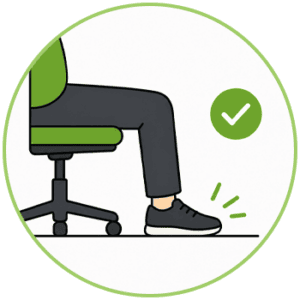
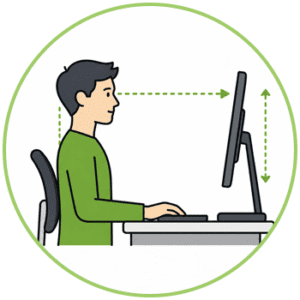
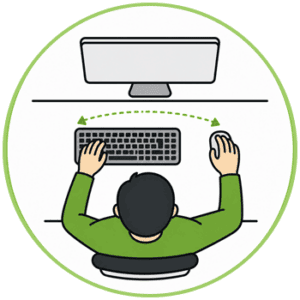
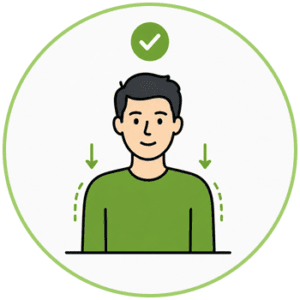
A few simple workstation adjustments may also help:

Keep your feet supported on the floor or on a stable footrest.

Keep your feet supported on the floor or on a stable footrest.

Position your screen close to eye level where possible.

Keep your keyboard and mouse within comfortable reach.

Keep your keyboard and mouse within comfortable reach.

Relax your shoulders rather than allowing them to rise toward your ears.

Relax your shoulders rather than allowing them to rise toward your ears.

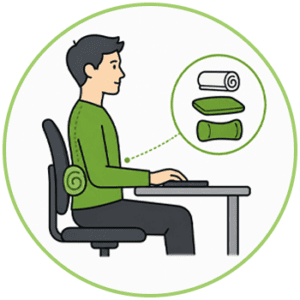
Use a rolled towel, cushion or pillow to support your lower back if needed.

Use a rolled towel, cushion or pillow to support your lower back if needed.

You do not necessarily need an expensive ergonomic chair. Small adjustments to your existing setup can often make it more comfortable and supportive.

It is also important to remember that there is no single perfect posture that should be maintained all day. Even a good sitting position can become uncomfortable when held for too long.

Move, Move, Move

Regular movement is one of the most effective tools for reducing office fatigue and preventing stiffness.

Our bodies are designed to move, and remaining in one position for hours at a time can eventually lead to discomfort, regardless of how good your posture may be.

Try setting a timer or calendar reminder to encourage you to move throughout the day. 

This could involve:

  • Standing up and walking around for a few minutes.
  • Changing your sitting position.
  • Stretching your neck, shoulders or upper back.
  • Completing a few gentle desk-based exercises.
  • Walking while taking a phone call.
  • Refilling your water bottle.
  • Alternating between seated and standing tasks when possible.

These movement breaks do not need to be long. Short, frequent changes in position can be more practical and effective than waiting until discomfort develops.

Man stretching beside his desk during a workday

As a general guide, if an entire hour has passed and you have not changed position or moved away from your desk, it has probably been too long.

How Often Should You Take a Break From Sitting?

There is no single schedule that works for everyone, but aiming to change position every 30 to 60 minutes is a practical place to start.

Your movement break might only last one or two minutes. The goal is simply to avoid remaining completely still for long, uninterrupted periods.

You may also find it helpful to link movement with an existing habit, such as standing whenever you finish an email, taking a short walk after a meeting or stretching each time you refill your drink.

Listen to Your Body

Office discomfort often develops gradually. You may first notice tight shoulders, a stiff neck, tired eyes or lower-back discomfort toward the end of the day.

These sensations can be a reminder to adjust your setup, change position or take a short movement break.

If discomfort continues despite making these changes, begins affecting your daily activities or becomes increasingly painful, it may be helpful to speak with a qualified health professional.

Start With One Small Change Today

Preventing office fatigue does not require a complete workstation redesign.

Start by checking your sitting position, making one simple adjustment to your desk and setting a reminder to move regularly. Small changes repeated throughout the working day can help you feel more comfortable, mobile and energised.

If you have questions about office-related pain, posture or movement, contact one of the PEAK All Stars or Coaches for personalised advice.

Work More Comfortably. Move More.

Table of Contents

Read the Latest Articles

Osteoporosis: Why Strength Training Is One of the Best Investments You Can Make in Your Bone Health

Strength training and impact exercise can help support bone density, muscle strength and balance, reducing fracture risk and supporting bone health as we age.

Read More

How Hormones Influence Injuries in Females

Understand how hormonal changes during puberty, pregnancy, postpartum, perimenopause and menopause can influence injury risk and musculoskeletal health.

Read More

Corey Quinlan: Turning Setback Into Strength

A shoulder dislocation challenged Corey’s season, but progressive rehabilitation, strength training and determination are helping him build back stronger and return to touch football.

Read More

How To Invest In The Right Running Shoes

Choosing the right running shoes requires more than picking a popular brand. Learn the key factors that influence shoe selection, performance, comfort, and injury prevention.

Read More