
Blog
RUNNING:
Interval Training: How to Improve Your VO2max
Learn how interval training can improve your VO2max, how to structure work and recovery periods, and how often to include interval sessions in your running program.
Author:
Jordan Shyu, Physiotherapist
|
Published Feb 19, 2021
Share this Article:
Of all of the types of running training, interval training has the most variability from session to session. Through a coaching lens it is always important to ask the question ‘what is the purpose of this session?

Easy running
The purpose is to build an aerobic base and resistance to injury.

Tempo running
To improve your lactate threshold and capacity to run faster for longer periods of time.

Interval training
The purpose of these sessions is to improve your VO2max.
So what is VO2max and why do you want to improve it?
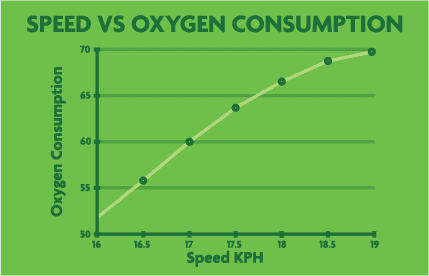
It is the maximum rate of oxygen uptake and utilisation by your body, thereby giving an indication of the upper limits of aerobic capacity energy production. The higher your VO2max the more oxygen your body can deliver to your muscles, and the more efficiently your muscles uptake and utilise the oxygen to produce energy.
How to Structure an Interval Training Session
When looking to construct an interval training session there are two main variables that can manipulate the workout:
1. The duration of the work bout.
2. The recovery.
The purpose of the workout is to accumulate time spent maximally straining your aerobic system. Looking at the work bout, the duration can vary anywhere between one and five minutes. Too long of a work bout and the body starts to fatigue, significantly affecting further repetitions. If they are too short, you may struggle to stress the aerobic system enough.
A general rule of thumb is that if you are to work off a longer work bout, a longer recovery is required (usually equal to or just shorter than the work bout).
If you are using a shorter work bout, then less recovery time is required to allow you to start to utilise the aerobic system maximally. An example:
- 4 x 5 mins at interval pace with a 5 minute recovery
OR
- 10 x 80 seconds at interval pace with a 40 second recovery
In the first example it takes about 2 minutes to reach maximum aerobic output, therefore the final 3 minutes of each set would be at VO2max. The longer recovery allows the athlete to drop back to near baseline before starting the next set again, preventing fatigue.
In the second example, the first few sets of the workout the athlete may not reach VO2max due to the short duration of the bouts. However, due to the shorter recovery time, the athlete is unable to return to baseline between sets and the remainder of the set would be maximally stressing the aerobic system.
Pace and Frequency for Interval Training
No matter what distance interval you are running, you should always try to run these at the same pace for each rep. Because running faster than the pace associated with your VO2max, means you are unable to stress the aerobic system any further! You end up sourcing more and more of your energy from anaerobic energy systems thus leading to fatigue earlier.
So how frequently should you be doing these sessions?
Due to the intense nature of this type of training, it is important to limit it to about 8% of your total weekly volume. I would also suggest capping it at about 10km or 30 minutes at interval pace regardless of how much weekly mileage you complete.
Key Takeaways
- Try to keep your pace the same regardless of what duration/length interval you are doing.
- Durations of intervals should be between 1 minute and 5 minutes.
- The longer the work bout, the longer the recovery.
- Limit the amount of interval training to 8% of your weekly mileage or 10km/30mins.
Ready to Train Smarter?
Take the guesswork out of your training. Get tailored guidance to improve your performance, manage your training load and work towards your running goals.
Train Smarter. Run Stronger. Start Today!