
Blog
PODIATRY:
Plantar Fasciitis: Causes, Symptoms, Treatment & Exercises
In this blog, Podiatry Coach Chelsea delves deeper into plantar heel pain or ‘plantar fasciitis’ —what it is, how and why it occurs, and what you can do to resolve it.
Author:
Chelsea Enright, Podiatrist
|
Published July 15, 2026
Share this Article:
What Is Plantar Fasciitis?
Plantar Fasciitis is one of the most common injuries that can be experienced in the foot. It can be referred to with many different names including plantar fasciopathy, plantar heel pain, or heel spurs but ultimately are all referring to pain in the heel of the foot. While Plantar Fasciitis can be more common in runners, those who are overweight, or have a poor footwear routine, it can affect anyone in the population.
The most common features of plantar fasciitis are:
- Heel pain with the first few steps in the morning or after sitting for a long period of time
- Heel pain that develops gradually over time, or suddenly without warning
- Sharp, stabbing or burning pain in the base of the heel
- Pain that is worse when barefoot or in flat shoes
Plantar fasciitis can flare up following an acute injury i.e. soft sand running, or can develop over time with overuse or a change in load. If there is an acute incident, a plantar fascial tear may need to be ruled out by imaging.
What increases the risk of plantar fasciitis?
- A change in load of the amount you are exercising
- Spending more time barefoot or a change in footwear
- Reduced mobility and strength in the foot and ankle
- Prolonged standing or walking particularly on hard surfaces
- Being overweight
- During and post pregnancy
Treatment options

Footwear advice and custom foot orthotic assessment

Ankle + foot mobilisation techniques

Active Release Technique

Dry Needling

Strapping

Exercise modification - depending on the nature of the injury
Plantar fasciitis exercises
Improving the strength and tolerance of the tissue is one of the most important things to improve plantar fasciitis. We will closely review your exercises and continue to progress them to get you back to normal in the shortest time possible, as well as reducing the likelihood of recurrences. Some exercises include:
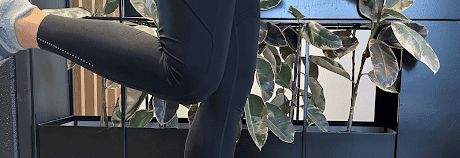
Isometric fascial calf raise
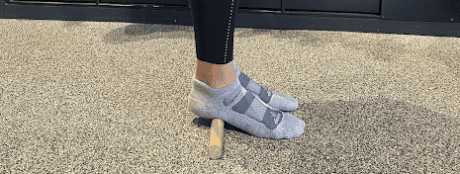
Dowel massage
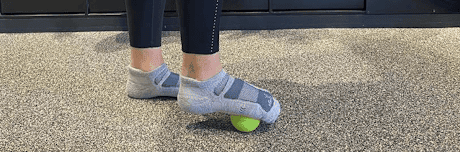
Trigger ball release

Intrinsic muscle strength - toe extensions
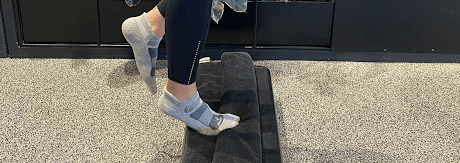
Intrinsic muscle strength - hip hinge
No two cases are the same and therefore the treatment of plantar fasciitis, as well as the timeframes, vary from person to person. Overall, with treatment you should expect that your pain will become far more tolerable, and exercise tolerance will be greater. This should continue to improve with time and program adherence.
Ready to Take the Next Step With Your Heel Pain?
For a more tailored approach, specific to you, your sport and your goals, contact PEAK to book in with one of our Coaches!
Get Back on Your Feet. Start Today.