 physiotherapy
 Text Neck: Causes, Symptoms & How to Fix It
Hours on your phone or laptop can lead to text neck. Learn the symptoms, causes and how PEAK’s Brisbane team can help relieve neck...
Read more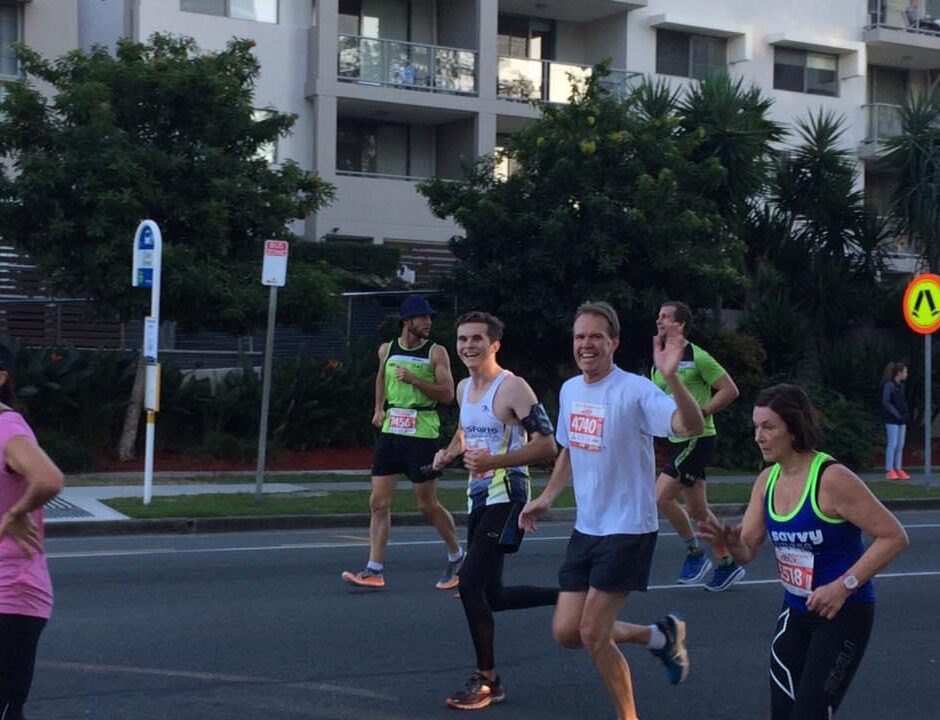
For many runners, the marathon is the pinnacle of distance running. Callum sees it as a great bucket list item to cross off, especially after completing a half marathon. “I’ve already done a half marathon before, and I see the full marathon as a natural next step,” he shared.
But it’s not just about the challenge. The New York Marathon provides a unique opportunity to experience a new city while tackling the distance. “New York was obviously a really cool opportunity and a great way to see a new city,” he said.
Training for a marathon doesn’t start on day one of the official training block. For our runner, it began earlier, with a focus on building base mileage after a period of decreased running capacity. “Technically, training has already started. Due to my decreased running capacity over the last 2 years, I wanted to start with 1-2 runs a week and build up to an average of 25-30km a week about 5 months out from the race,” he explained.
Training will ramp up as they move closer to race day, with a planned 16-18 week training block involving 3 runs a week, along with gym and prehab sessions to complement the running. “I love my golf still, so I’ll also get some accumulative load on the legs by walking 7-8km on the weekends when playing golf,” he added.

When it comes to training, staying healthy is key. Callum is fortunate to have the PEAK tribe supporting him through the process. Physio Coach Marty, a key figure in his journey, started the initial gym program, focusing on slowly reloading the legs with resistance training and plyometric exercises. “Martin started my initial gym program with the goal of slowly re-loading my legs with resistance training and impact through plyometrics,” he shared.
On the running side, Lachie, PEAK Director and Podiatrist will be providing assistance with running analysis and shoe recommendations. “Lachie will also be really helpful from a running analysis and shoe recommendation point of view.”
While there’s a lot of excitement surrounding the New York Marathon, there are also a few nerves and potential challenges. “I’m excited about seeing New York! I’m also excited to be able to socialize with friends and athletes while running this year. Being involved in others’ running journeys is rewarding and inspiring when also training for your own run,” he said.
One of the major challenges is injury prevention. “I’m hoping to keep some nagging shin splints pain at bay as I train, but I’m also determined to complete the race no matter what. I’ll tackle any changes to my plan across the months as necessary,” he added.
While Callum doesn’t have any major injuries going into the training block, they do have some minor concerns. “Mild bilateral shin splints are starting to creep in now, but I hope to prevent this with regular maintenance therapy, and appropriate strength and plyometric loading now in the early months,” they said.
Staying ahead of injuries by focusing on strength and recovery is crucial during marathon training.
Setting a goal for race day helps with motivation and focus. Cal has a specific time in mind. “Yes, sub 4 hours would be an ideal goal,” they shared. While this is an ambitious target, their structured training plan is setting them up for success.
The right footwear is critical for long-distance runners. Cal has chosen the Brooks Glycerin for their training, but they plan to refresh them closer to race day. “Currently just the one shoe, Brooks Glycerin – might freshen these up closer to race day but otherwise, no other plans for different shoes,” he shared.
When it comes to advice for other runners, Callum has one key piece of wisdom: “Use your support team to your advantage. Get them to help you pick up your weaknesses when you can’t see them. You can be blind to your own weaknesses, and having a team regularly assess you and guide you to stay on the right path will lead you towards your goal.”
Support, both physical and emotional, is a game-changer when it comes to marathon training.
When the training is over and the race is complete, our runner plans to enjoy the sights and sounds of New York. They’re looking forward to taking in the iconic landmarks like Washington and Central Park while on their “deload runs.” “I want to do a few of my small deload runs around Washington—past the monuments, and in Central Park before doing the race (ICONIC places),” he said.
He also plans to take in some culture and art. “My partner loves art and fashion, so what better place than New York to go to a museum/gallery!”
Training for a marathon is a journey that requires dedication, consistency, and a strong support system. By focusing on building a solid base, taking proactive steps for injury prevention, and staying motivated with a clear race goal, Callum is setting himself up for success at the New York Marathon. As he prepares for race day, he’ll be tackling each challenge with determination and enthusiasm with the PEAK tribe supporting him every step of the way, eager to see him experience the thrill of crossing the finish line in one of the world’s most iconic cities.
Stay tuned to follow Callum’s journey and be inspired by his progress!
physiotherapy Hours on your phone or laptop can lead to text neck. Learn the symptoms, causes and how PEAK’s Brisbane team can help relieve neck...
Read more Workplace Injury
 Injured at work? Learn how WorkCover physiotherapy and chiropractic at PEAK can help you recover, manage your claim, and return to work with confidence.
Read more lower back pain treatment
 Lower back pain is one of the most universal health complaints there is. Globally, hundreds of millions of people are living with it at...
Read more DVA chiropractor Brisbane
 Hold a DVA Gold or White Card? Learn how to access no-gap physiotherapy, chiropractic and podiatry care at PEAK Sports & Spine Centre in...
Read more running injury treatment
 Running injuries are common, but many can be prevented. Learn why they happen, how to reduce your risk, and how PEAK helps Brisbane runners...
Read more physiotherapy
 Dizziness and vertigo can make even simple daily activities feel overwhelming. From BPPV and vestibular migraines to post-concussion dizziness, understanding the cause is the...
Read more
Build Career Confidence: If you are training for the Gold Coast Marathon right now, or you are the kind of person who has a...
Read more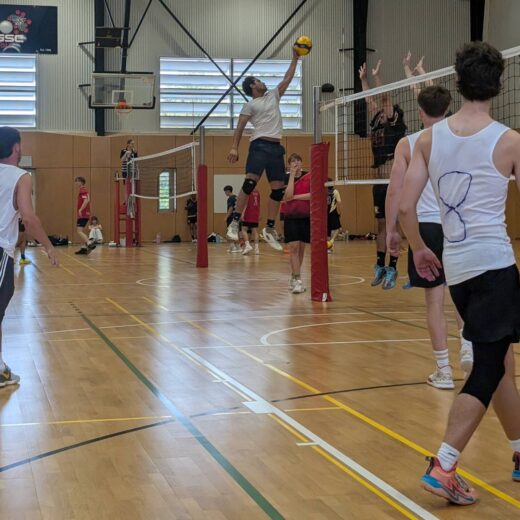 MCL Sprain
 Stepping into an Athlete’s Shoes: Keagan’s ACL Journey The injury knowledge that you hold as a PEAK coach, unfortunately, does not keep you immune to sustaining...
Read more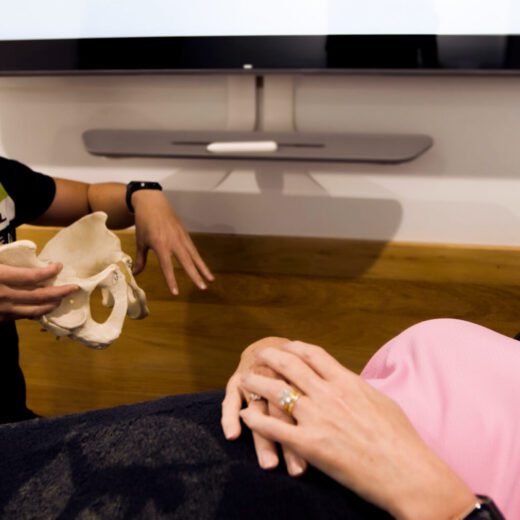 physiotherapy
 For many women, Menopause can feel like a sudden shift in how their body moves, feels, and recovers. Menopause Physiotherapy can help women manage...
Read more ACL Injury
 Knowing what to do after a knee injury can make a significant difference to recovery. Early assessment and diagnosis are essential, and physiotherapists play...
Read moreNot exactly what you're looking for?
View all articles













Can't find what you're after?
View all ServicesOr email the PEAK team at info@peakssc.com.au
To make a booking outside of business hours, please use our form by clicking here.
To make a booking outside of business hours, please use our form by clicking here.