







More Than a Finish Line: Sophie Dyer’s T100 Journey
At PEAK Sport and Spine, we’re lucky to be surrounded by people who don’t just talk about resilience, discipline, and performance — they live...
Read more
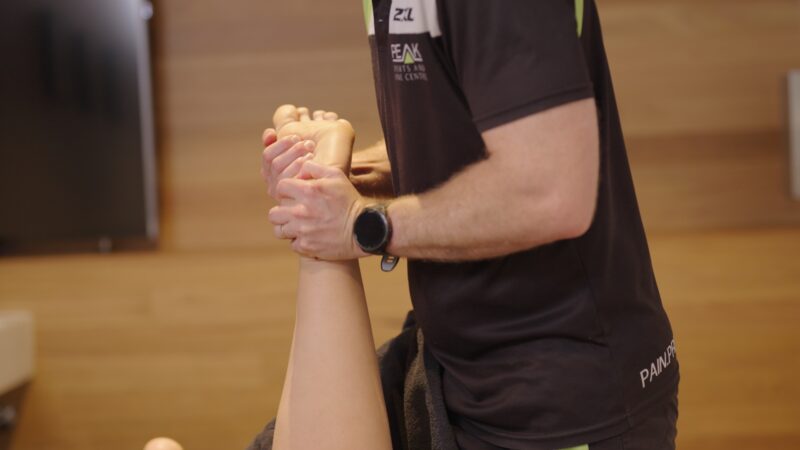
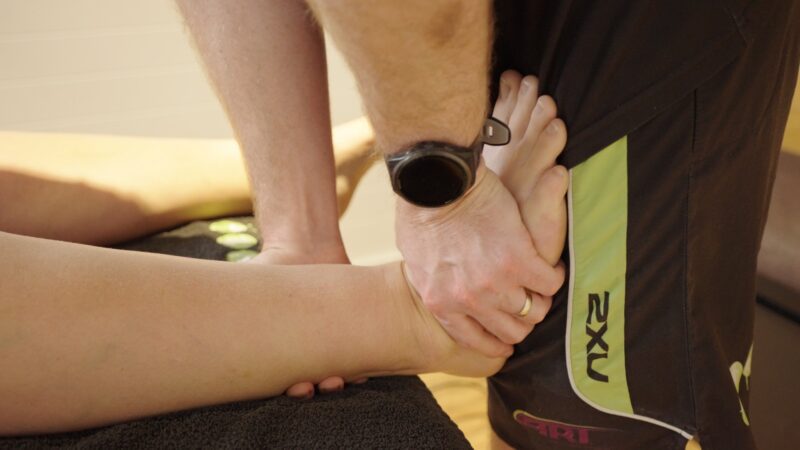
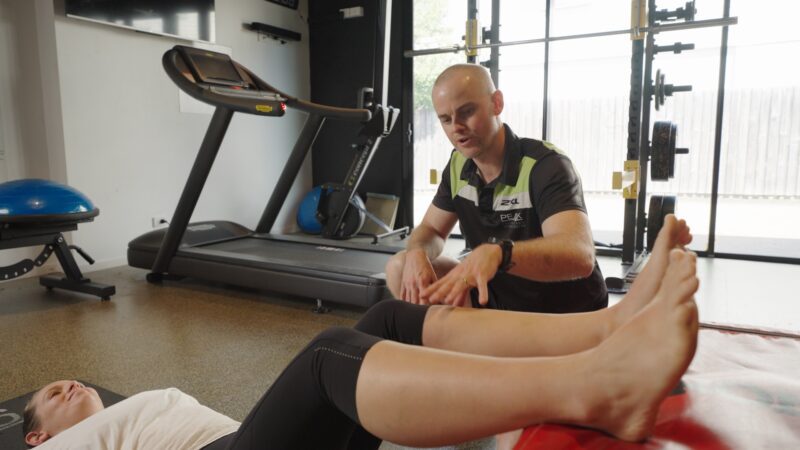
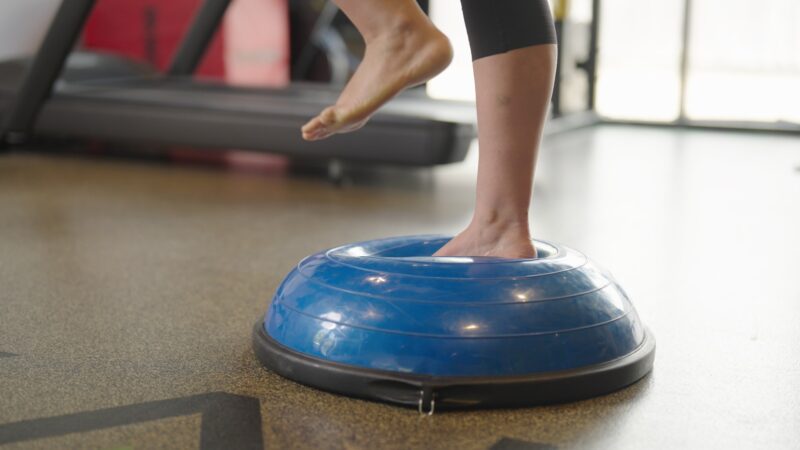
At Peak Sports and Spine Centre, we regularly see children and teenagers presenting with foot pain, leg aches, and posture issues that could have been prevented with an early assessment.
The reality is simple:
As Peak Director and Podiatrist Lachlan Stanton explains:
“We often see kids later in the year once pain has already set in. In many cases, a simple assessment earlier could have prevented months of discomfort.”
Your child’s feet are the foundation of their movement. How they stand, walk and run influences everything above — including knees, hips, and posture. When foot mechanics aren’t optimal, children may compensate without realising it. Over time, this can contribute to:
The challenge is that kids don’t always complain early. Many simply adapt — until pain eventually forces them to stop.
“Children are incredibly good at compensating. Just because they’re coping doesn’t mean everything is working well,” says Lachlan.

Flat feet are common in younger children, but persistent flat feet in older kids and teens can become problematic, particularly if they’re active.
Signs parents often notice:
While not all flat feet need treatment, symptomatic flat feet should always be assessed.

Many children experience leg pain in the evenings or at night. While often labelled as “growing pains”, foot mechanics can play a significant role.
Poor foot alignment can place extra strain through the calves, knees and thighs — particularly during growth spurts.
“If a child repeatedly complains of leg pain, especially after activity, we always look at their foot posture and gait,” Lachlan explains.

Feet influence posture from the ground up.
When foot alignment is off, children may develop:
These issues are much easier to address while children are still growing.
A key message we share with parents is simple: Early assessment doesn’t mean something is wrong — it means you’re being proactive.

“Parents are often relieved to hear that many issues are mild and easily managed — but they’re grateful we’ve picked them up early,” says Lachlan.

Footwear plays a critical role in children’s foot development.
Common issues we see include:
At Peak, we don’t just assess feet — we educate families on what to look for in everyday and sport-specific footwear.

Custom orthotics are not always necessary, but when indicated they can be highly effective.
“Orthotics for kids are about guidance and support — not restriction. When used appropriately, they help kids move better and stay active,” Lachlan explains.
The start of the year is an ideal window to identify emerging issues, address small problems before sport seasons intensify, and prevent pain from disrupting school or everyday activities. A short assessment now can help set children up for a more comfortable, confident year ahead—often preventing weeks or even months of discomfort down the line. A short assessment now can prevent weeks or months of discomfort later.
Not always — but if flat feet persist into primary school or your child experiences pain, fatigue or poor balance, an assessment is recommended.
Occasional aches can be normal, but recurrent pain deserves investigation, particularly if it affects sleep or activity.
Only when clinically indicated. Many children don’t — but for those who do, orthotics can significantly reduce pain and improve movement.
We recommend reassessment during key growth phases or if symptoms develop — particularly during primary school and adolescence.
“Our goal isn’t to medicalise childhood — it’s to keep kids moving comfortably, confidently and without pain,” says Lachlan Stanton.
If you’ve ever wondered whether your child’s foot posture, footwear or growing pains are “normal”, a simple assessment can provide clarity and peace of mind.
Book your child’s foot assessment now and help them start the year on the right foot.

At PEAK Sport and Spine, we’re lucky to be surrounded by people who don’t just talk about resilience, discipline, and performance — they live...
Read more
At PEAK, we’re obsessed with helping you achieve experiences not felt possible —and Craig’s story is exactly what that looks like in real life. Craig...
Read more
Bone stress injuries (BSIs) are a common issue, particularly in runners and active individuals. Despite often being associated with the term “stress fracture,” these...
Read more
At PEAK Sports & Spine Centre, this is one of the most common things we hear: “My knee always flares up when it gets cold.” “I...
Read more
For combat athletes, toughness is often worn like a badge of honour. Showing up to training sore, pushing through fatigue, and grinding through hard...
Read more
In October last year, Tess got the news that every endurance athlete dreads to hear: a bone stress injury to her femur. Not a...
Read more
At PEAK Sports and Spine Centre, we often encourage our athletes to Dream Big. For some people that means returning to sport after injury....
Read more
Tendon pain is one of the most misunderstood injuries. It rarely behaves like a typical “strain,” it doesn’t always swell, and complete rest often...
Read more
Rectus diastasis can be a common concern for mothers post birth particularly as to whether it will always be present and how it may...
Read more
The real race begins in your mind. by Nathan Denham, PEAK Coach and Physiotherapist
Read moreNot exactly what you're looking for?
View all articles


Can't find what you're after?
View all ServicesOr email the PEAK team at info@peakssc.com.au
To make a booking outside of business hours, please use our form by clicking here.