Believe
The real race begins in your mind. by Nathan Denham, PEAK Coach and Physiotherapist
Read more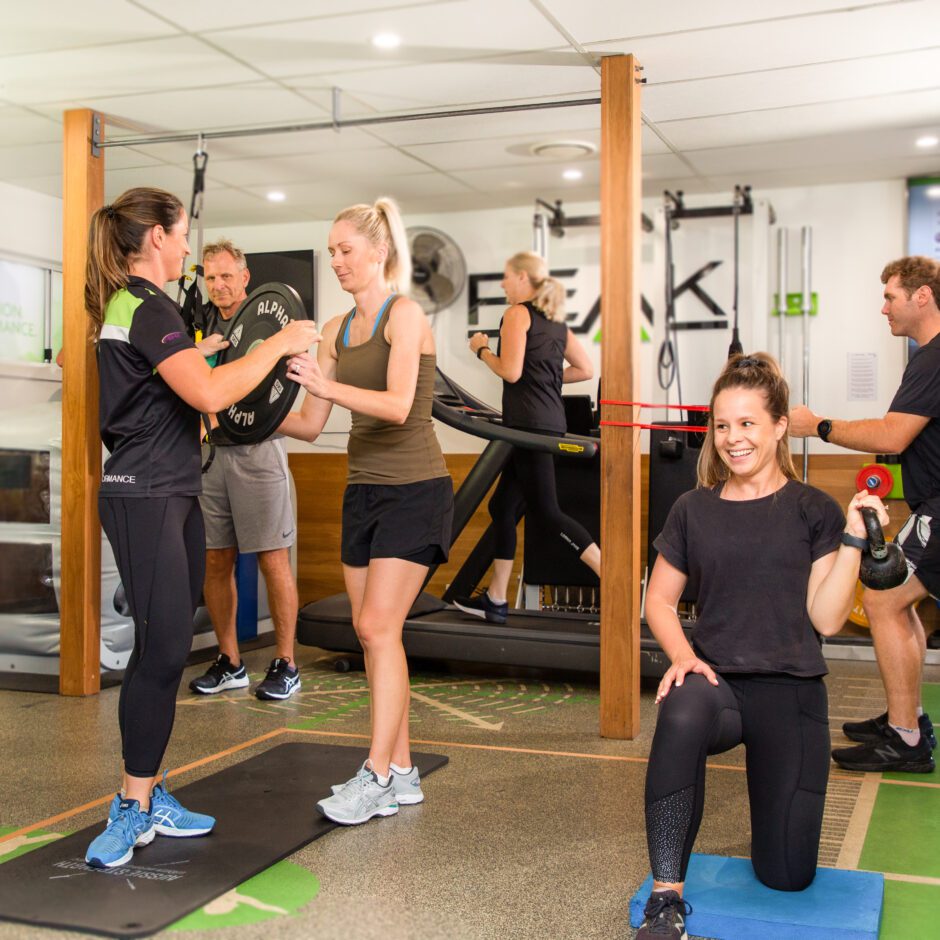

Historically, physiotherapy has often been reactive. We turn to it when something goes wrong. Sprained ankles, herniated discs, rotator cuff tears—these issues bring people to the clinic, where the goal becomes clear: reduce pain, restore function, and return to normal life. This model has its place, and it works. Physiotherapists are experts at guiding recovery. But recovery, while important, is only part of the journey.
In reality, many of the issues we treat could have been avoided entirely. Repetitive strain injuries, posture-related discomfort, even some sports injuries often stem from risk factors, all of which can be identified and corrected before they cause pain.

Preventative physiotherapy is about taking a proactive approach to your body’s health. It’s not just for athletes or those in physically demanding jobs—it’s for anyone who moves. It starts with understanding your body: your posture, how you walk, how you lift, how you sit for eight hours a day. From there, it’s about building awareness, strength, mobility, and balance in ways that support your long-term well-being.
This mindset shift means we stop asking, “How do I fix this injury?” and start asking, “How can I move better? How can I future-proof my body?”
Preventative physiotherapy is not a once-off. It’s a lifelong habit, like brushing your teeth. You don’t wait for cavities to start flossing—you do it because you understand the value of maintenance. The same applies to your muscles, joints, and nervous system. Regular movement screenings, targeted exercises, mobility work, and posture corrections can dramatically reduce your risk of injury and improve your quality of life.
Perhaps the most powerful part of this mindset is ownership. A preventative approach puts you in the driver’s seat of your health. Instead of feeling helpless when pain strikes, you feel equipped. Instead of fearing movement, you understand how to move with intention.
This doesn’t mean you’ll never face physical setbacks. Life happens. Accidents happen. But a resilient body responds better. It heals faster. It adapts more readily. Prevention doesn’t guarantee immunity, but it dramatically improves your odds.
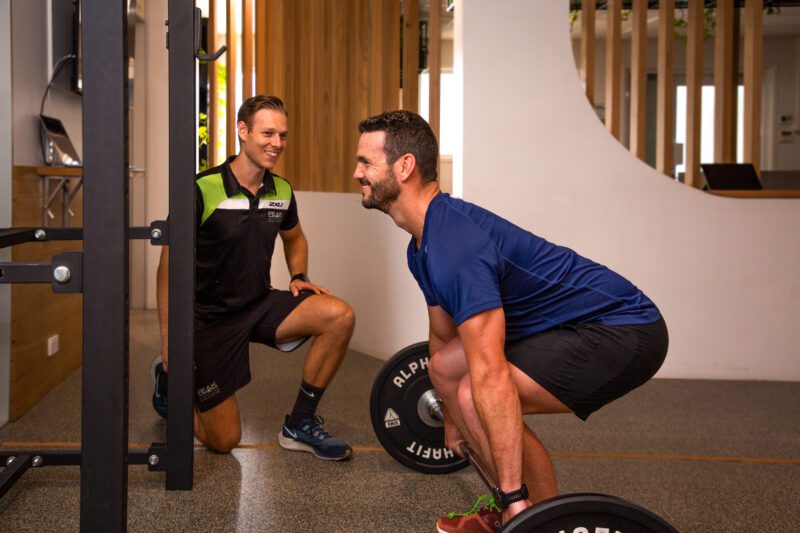
Our physiotherapists are not just injury fixers—they’re movement coaches, performance optimizers, and wellness partners. They are trained to look at your body holistically and help you address small dysfunctions before they become problems. Here at PEAK, we offer services like movement assessments, strength programming/classes, sport-specific conditioning, and longevity-focused mobility plans, as well as much more.
By partnering with a physiotherapist proactively, you’re not just investing in your recovery—you’re investing in your potential.
You don’t have to wait for an injury to value your physical health. The preventative path in physiotherapy is an invitation—to move better, feel stronger, and live with more confidence in your body. It’s a shift from surviving to thriving, from reacting to preparing.
Pain may have brought you to physiotherapy once. Let purpose bring you back.
Your body is your most valuable tool. Take care of it not because it’s broken, but because it’s worth it. Book in to chat with one of our coaches today to discuss your preventative plan.
The real race begins in your mind. by Nathan Denham, PEAK Coach and Physiotherapist
Read more
Every golfer wants more distance to outdrive their golfing friends! But here’s the question most golfers never stop to ask: Is my body actually capable of...
Read more
The festive season is great for rest, relaxation, and a little indulgence. But once January rolls around, many people lace up their runners again...
Read more
Mixed Martial Arts is one of the most physically demanding sports in the world. Fighters train to strike, grapple, defend, and adapt under intense...
Read more
Understanding Residual Dizziness & The Power of Vestibular Rehab
Read more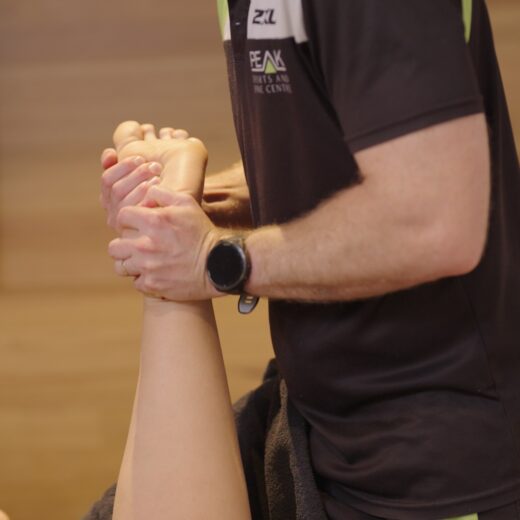
By Lachlan Stanton, Director & Podiatrist at PEAK Sports & Spine Centre
Read more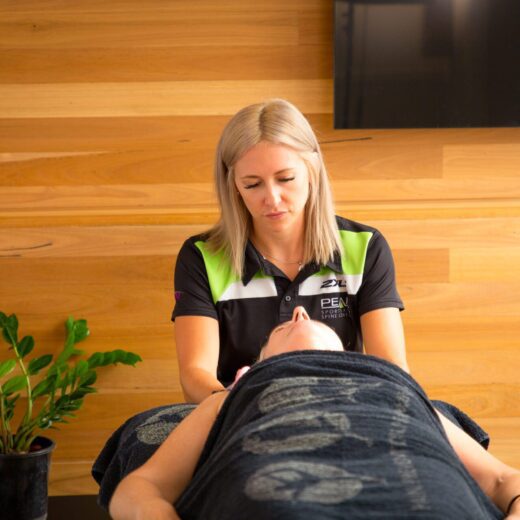
Radiculopathy — commonly felt as nerve pain radiating into the arm or leg — is a frequent reason people seek care at our clinics...
Read more
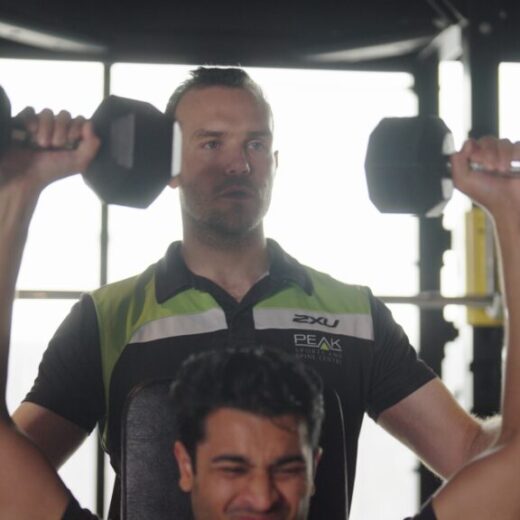
New to PEAK in 2026, we’re excited to introduce our Strength & Conditioning (S&C) Service, designed to help you achieve your goals and become...
Read more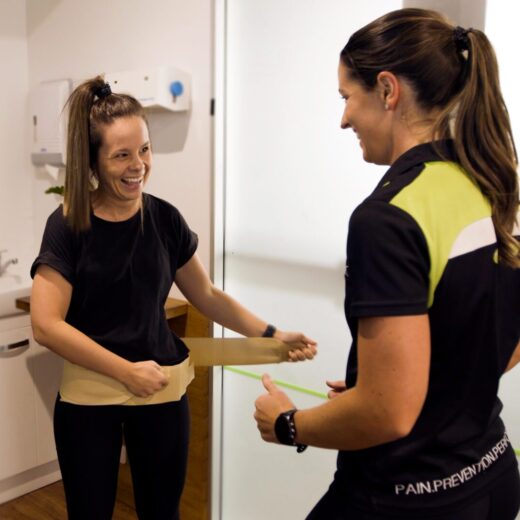
Pelvic girdle pain (PGP) is one of the most common causes of pain and discomfort during pregnancy. By the end of pregnancy up to...
Read moreNot exactly what you're looking for?
View all articles













Can't find what you're after?
View all ServicesOr email the PEAK team at info@peakssc.com.au
To make a booking outside of business hours, please use our form by clicking here.
To make a booking outside of business hours, please use our form by clicking here.