 Shoulder Injury
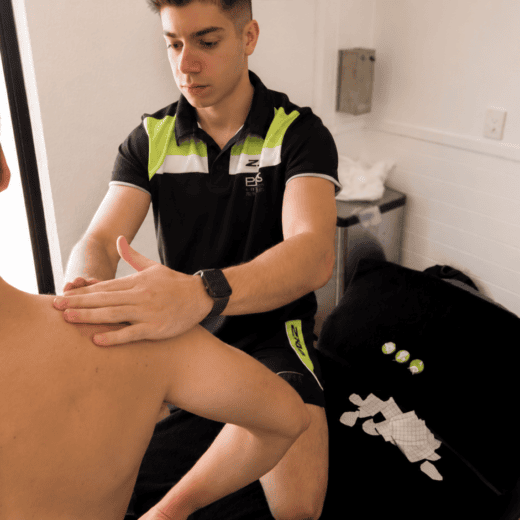
 AC Joint Injuries in Footy Explained
AC joint injuries can affect shoulder strength, movement and your ability to return to sport. Understanding the injury and following the right rehabilitation plan...
Read more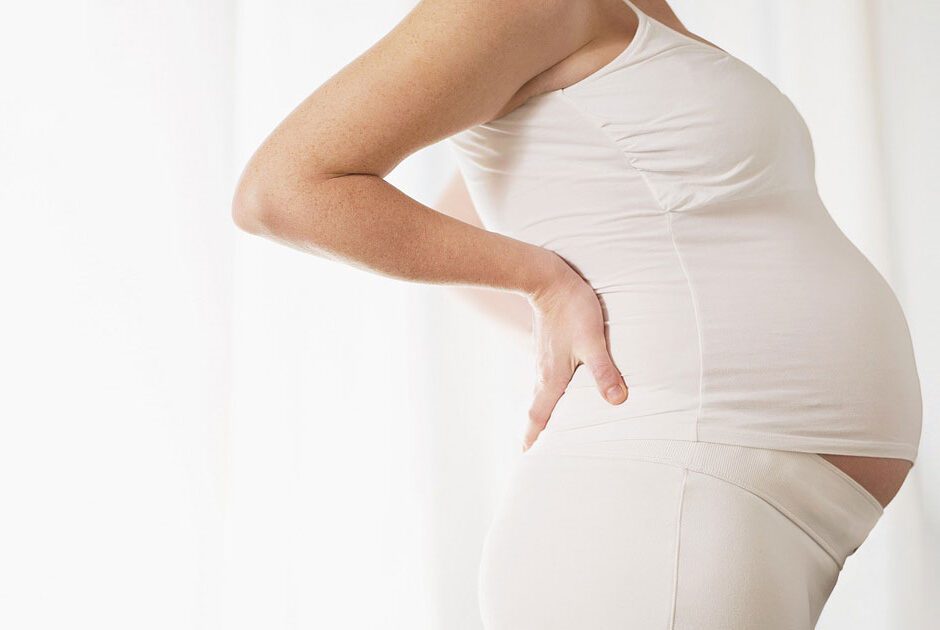
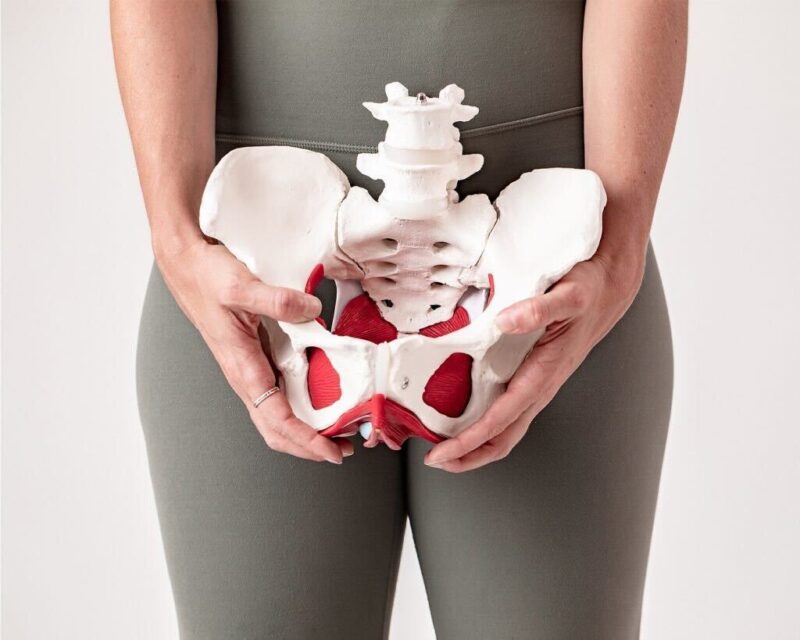
Pregnancy related PGP is defined as pain and/or discomfort generally at the back of the pelvis however it can also be felt at the front of the pelvis, lower back, hips and thighs. The intensity of symptoms can range from mild to severe and are commonly aggravated with standing/walking for long periods, using stairs, getting in and out of the car, activities that involve standing on one leg and rolling in bed. The reason why these activities tend to cause pain and discomfort is because they tend to put uneven load on either side of the pelvis. It is also possible for the symptoms to continue for a small number of women in the postpartum period.
It is commonly thought that these symptoms are particularly associated with the increase in relaxin hormone during pregnancy however this hormone actually peaks at 12 weeks of pregnancy whereas the rate of PGP is highest at the end of pregnancy. There has not been one single factor that is linked specifically to the cause of pregnancy related PGP and instead appears to be multifactorial.
One of the contributors appears to be the increase in a type of oestrogen during pregnancy that increases the production of a specific collagen type that is more elastic. This increases the mobility of the pelvis in preparation for birth. Another contributor is the increase in load on your pelvis as your baby increases in size.

While there can be the expectation that being pregnant particularly in the later stages is associated with pain and discomfort, this does not have to be the case. There are a number of strategies that can be utilised to improve PGP symptoms through physiotherapy such as manual therapy, pregnancy support belts or leggings, prescription of pelvic stability exercises, taping and education. Simple tips like keeping both legs together when getting in and out of the car and rolling in bed can be a game changer in making these day to day activities more comfortable!
Your physiotherapist can help with deciding what is going to be the best form of management for you in conjunction with the input of your GP, obstetrician and/or midwife, as what might work for someone may not work for the next person. Getting on top of these symptoms sooner rather than later is important to allow you to enjoy your pregnancy and maintain quality of life.
It is also important to get these types of symptoms checked to rule out any other causes to your pain that might not fit the specific PGP behaviour. It is important to identify this quickly to ensure the correct management is undertaken.
Shoulder Injury AC joint injuries can affect shoulder strength, movement and your ability to return to sport. Understanding the injury and following the right rehabilitation plan...
Read more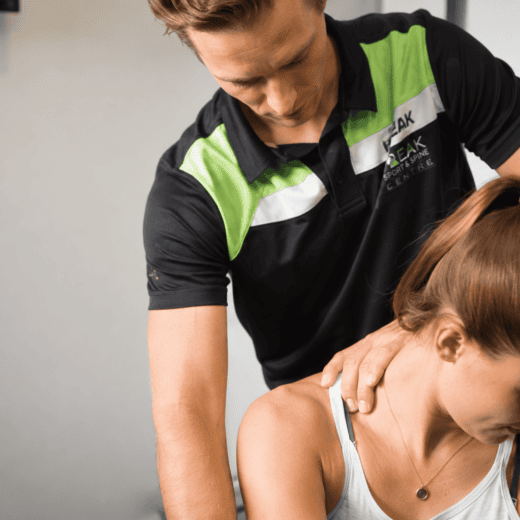 Shoulder Dislocation
 Shoulder dislocation rehabilitation is about more than getting stronger. Learn how progressive physiotherapy can rebuild movement, control, confidence and the capacity to return to...
Read more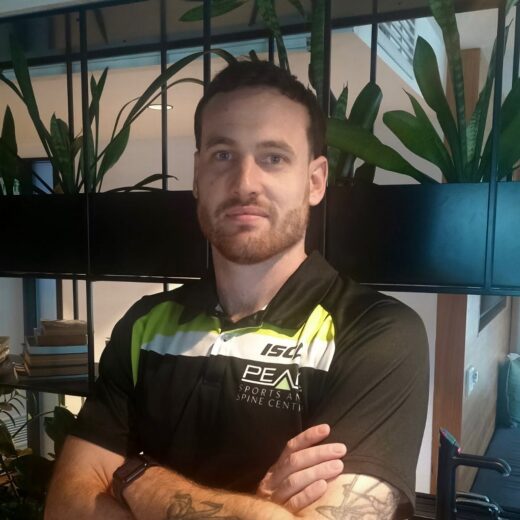 Sports Physiotherapy
 Campbell Antonio brings an elite-sport approach to physiotherapy, combining rehabilitation, performance and clinical reasoning to help people return to what they love.
Read more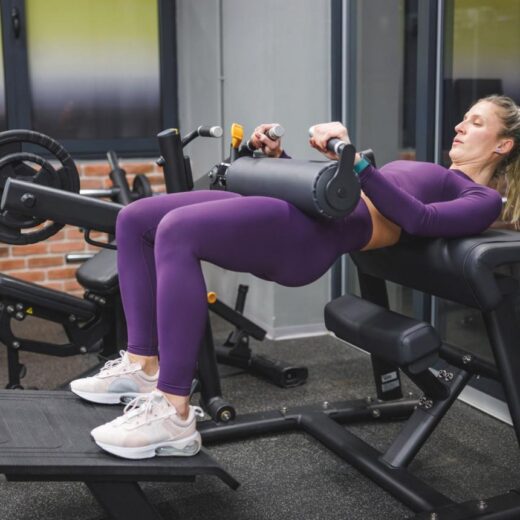 Injury Prevention
 Helping young female athletes build strength, confidence and movement skills while supporting performance and long-term injury prevention.
Read more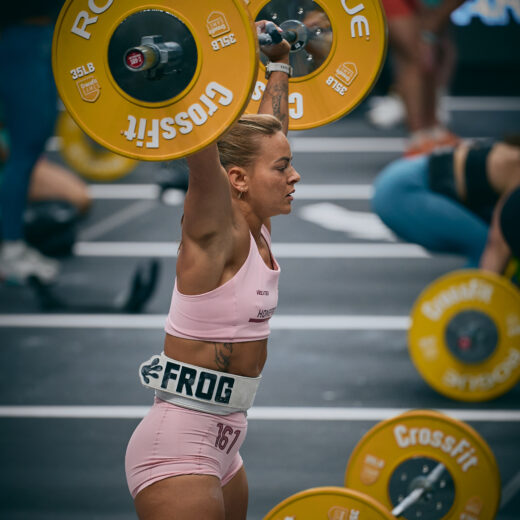
Christina Livaditakis shares her journey to 4th in the world at the 2026 CrossFit Games, reflecting on teamwork, resilience and what she learned along...
Read more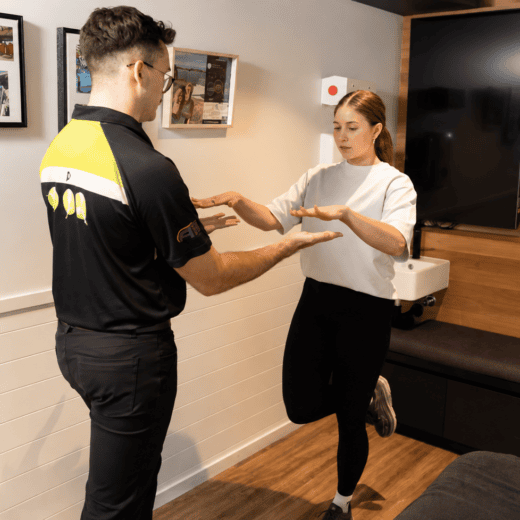 Concussion
 Concussion physio Brisbane athletes can trust starts with understanding what happens after a knock. Learn why the 21-day rule matters, why dark-room rest is...
Read more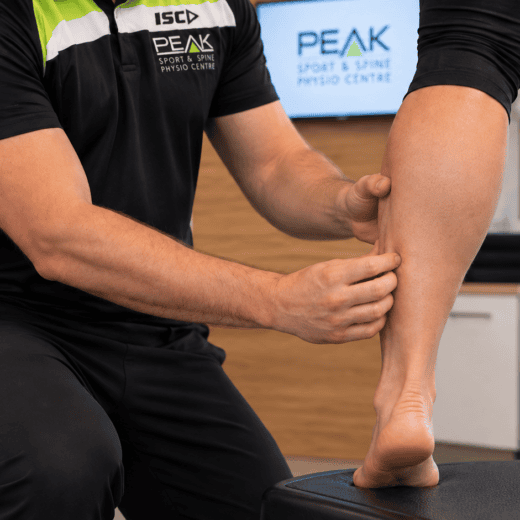 Running Injuries
 Calf strains are common in runners and field athletes, especially after 30. Learn why they keep coming back and how the right rehabilitation can...
Read more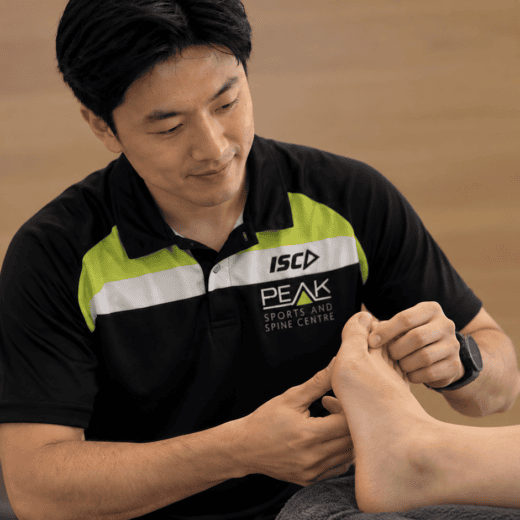 Foot Health
 Bunions are common, but surgery isn’t always the answer. Learn what causes them, what can actually help, and when it’s worth seeing a podiatrist.
Read more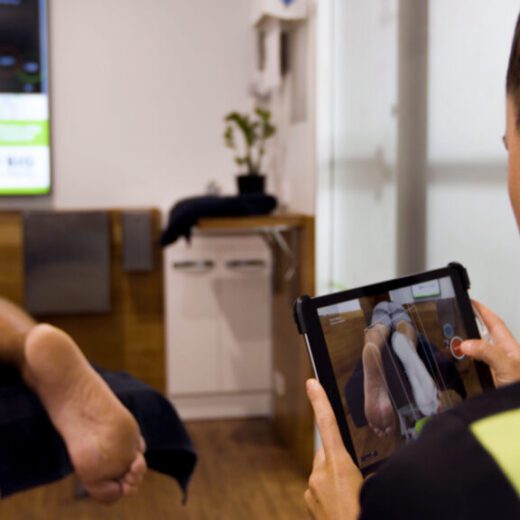 Running Injuries Brisbane
 Achilles tendinopathy can be frustrating for runners, but rest alone isn’t always the answer. Learn how progressive loading, smart training and expert podiatry care...
Read more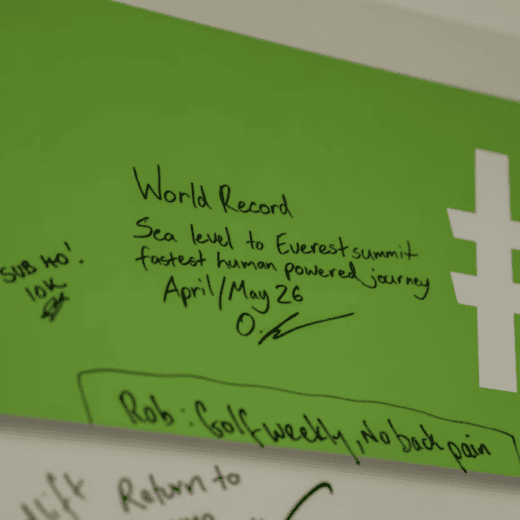 Goal Setting
 Goal setting in rehabilitation can make recovery more focused and achievable. See how short- and long-term goals can support motivation, confidence and progress.
Read moreNot exactly what you're looking for?
View all articles



Can't find what you're after?
View all ServicesOr email the PEAK team at info@peakssc.com.au
To make a booking outside of business hours, please use our form by clicking here.
To make a booking outside of business hours, please use our form by clicking here.