 Brisbane Physiotherapy
 Text Neck: Causes, Symptoms & How to Fix It
Hours on your phone or laptop can lead to text neck. Learn the symptoms, causes and how PEAK’s Brisbane team can help relieve neck...
Read more
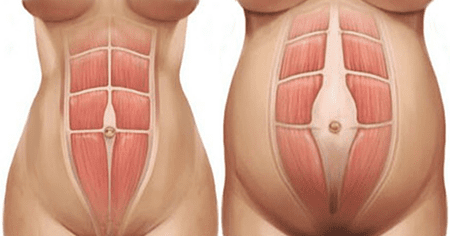
Rectus diastasis is a term that refers to the stretching and separation of the rectus abdominis muscle at the front of abdomen, otherwise known as the ‘six-pack’ muscle. There is fascia between the two bellies of the rectus abdominis muscle called the linea alba and this is specifically the tissue that is stretched, resulting in the separation of the abdominal muscle.
This is a normal occurrence for all women in the later stages of pregnancy thought to be due to the growth of the fetus, uterus and other changes that occur to the body.

As mentioned above, separation of the rectus abdominis muscle is normal during pregnancy and postpartum. There is currently no evidence that suggests preventative measures help in avoiding or reducing the degree of separation that occurs during these periods.
Straight after giving birth separation between the rectus abdominis is still present and continues to be present as the body recovers and heals. Each woman can vary in how quickly the separation reduces. For some it can be a matter of weeks while for others it can take up to a year.
For a number of women the separation can resolve itself over time however, it is possible for some separation to still be present and the size can vary. This can lead to a change in the visual appearance of the abdominal area and a palpable separation along the line of the belly button can be felt.
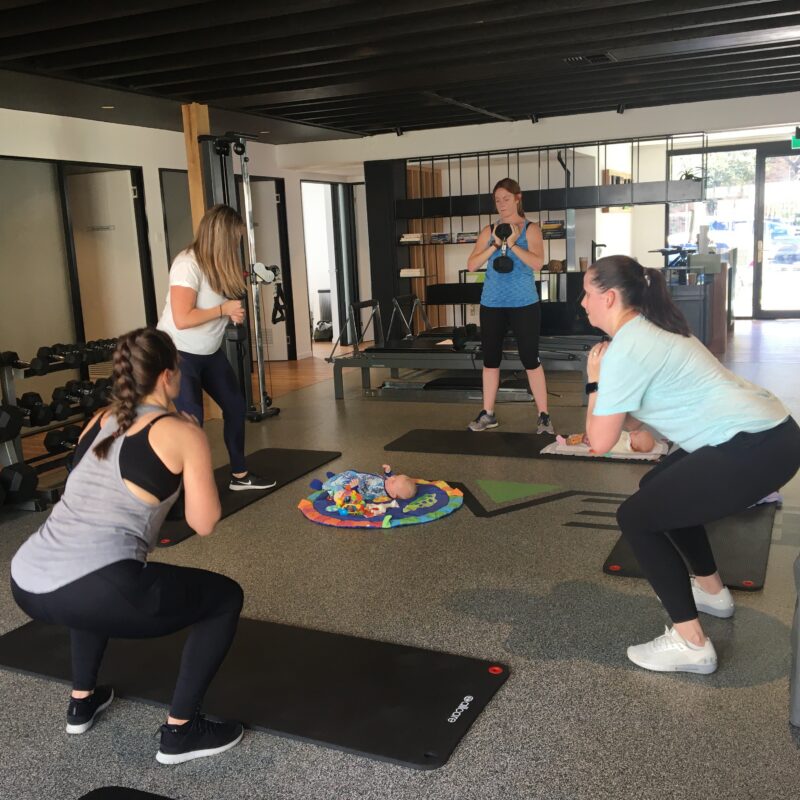
Rectus diastasis is associated with reduced abdominal muscle function however, this can be improved. While the separation may not completely resolve itself for some women, strength and function can be regained over time with targeted strengthening.
The presence and size of a rectus diastasis is also not associated with an increased likelihood of pelvic floor dysfunction, lower back or pelvic pain. Negative body image and symptoms of depression have been found to be associated with the presence of a rectus diastasis, highlighting the importance of education and intervention in the area.

Abdominal Assessment

Measurement Techniques

Muscle Activation & Strengthening

Recovery Support
A physiotherapist trained in measuring rectus diastasis can assess the amount of separation at your abdomen. This is typically done by either using finger widths, calipers or ultrasound. It is typically assessed lying down both in a relaxed position and in contracted position to see what happens to the muscle once it is activated. This can then be reassessed over time to keep track of changes.
Education is also an important part in understanding what having a rectus diastasis means for you. Your physiotherapist can help guide you on the most beneficial exercises to help regain abdominal strength and function. There is also some evidence that abdominal compressive garments can help in the recovery of a rectus diastasis in which your physio can help recommend those that are most suited.
Feel strong, supported, and in control of your body again — one step at a time. At PEAK we have physiotherapists that can help provide this care and guide you through your recovery postpartum.
Brisbane Physiotherapy Hours on your phone or laptop can lead to text neck. Learn the symptoms, causes and how PEAK’s Brisbane team can help relieve neck...
Read more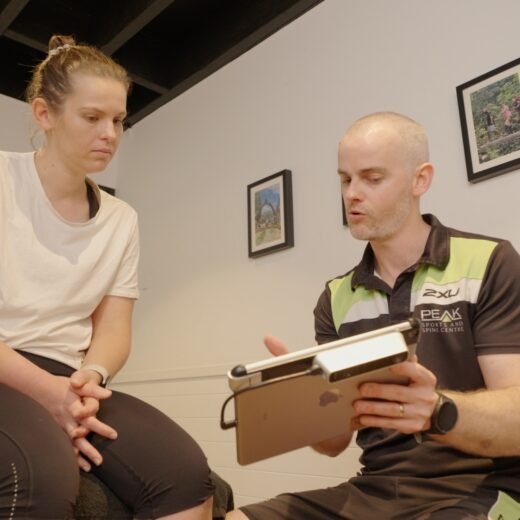 physiotherapy
 Injured at work? Learn how WorkCover physiotherapy and chiropractic at PEAK can help you recover, manage your claim, and return to work with confidence.
Read more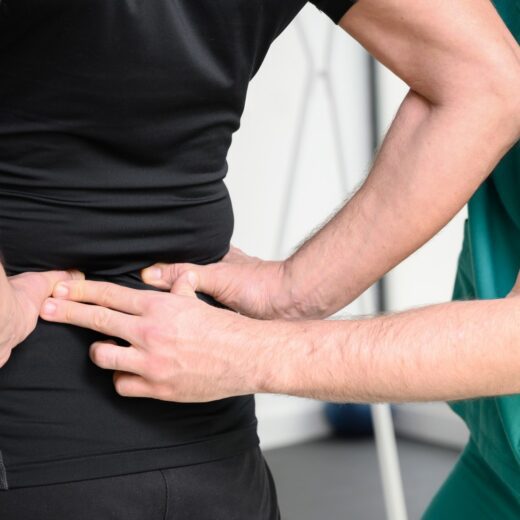 causes of lower back pain
 Lower back pain is one of the most universal health complaints there is. Globally, hundreds of millions of people are living with it at...
Read more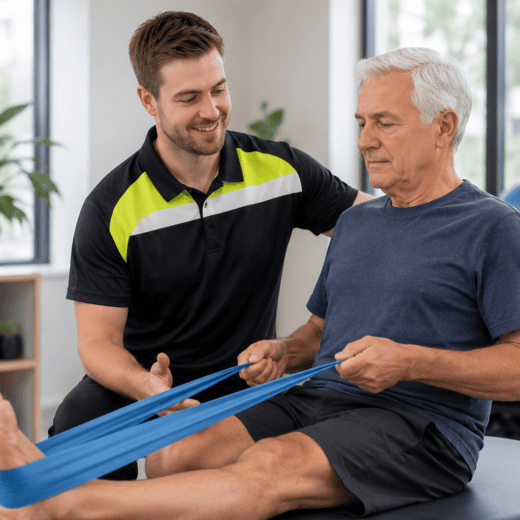 DVA chiropractor Brisbane
 Hold a DVA Gold or White Card? Learn how to access no-gap physiotherapy, chiropractic and podiatry care at PEAK Sports & Spine Centre in...
Read more how to prevent running injuries
 Running injuries are common, but many can be prevented. Learn why they happen, how to reduce your risk, and how PEAK helps Brisbane runners...
Read more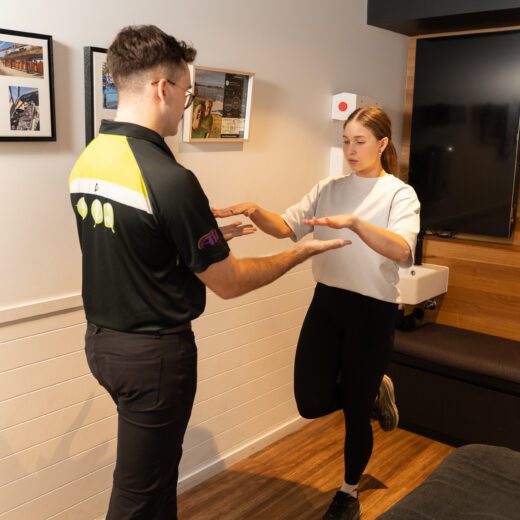 Vertigo
 Dizziness and vertigo can make even simple daily activities feel overwhelming. From BPPV and vestibular migraines to post-concussion dizziness, understanding the cause is the...
Read more
Build Career Confidence: If you are training for the Gold Coast Marathon right now, or you are the kind of person who has a...
Read more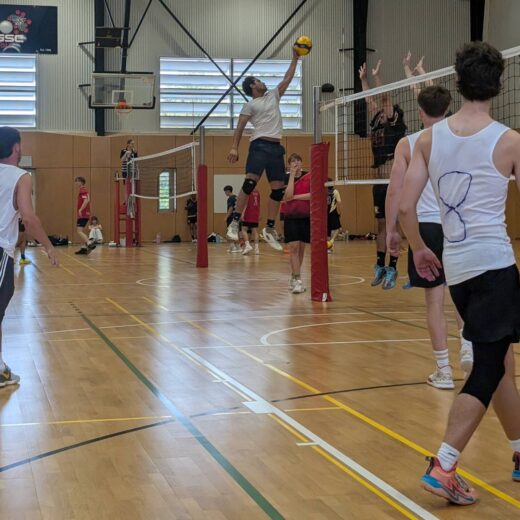 MCL Sprain
 Stepping into an Athlete’s Shoes: Keagan’s ACL Journey The injury knowledge that you hold as a PEAK coach, unfortunately, does not keep you immune to sustaining...
Read more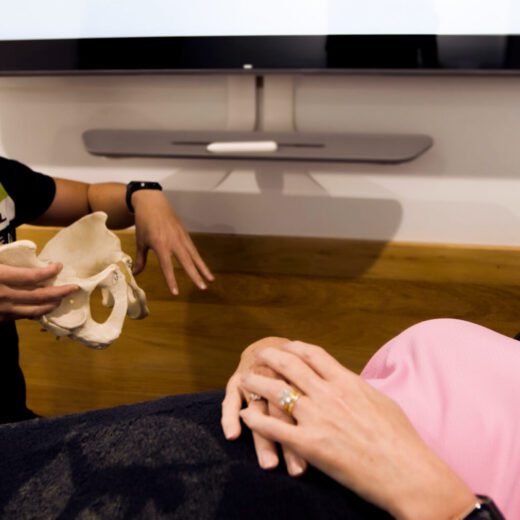 Menopause
 For many women, Menopause can feel like a sudden shift in how their body moves, feels, and recovers. Menopause Physiotherapy can help women manage...
Read more ACL Injury
 Knowing what to do after a knee injury can make a significant difference to recovery. Early assessment and diagnosis are essential, and physiotherapists play...
Read moreNot exactly what you're looking for?
View all articles



Can't find what you're after?
View all ServicesOr email the PEAK team at info@peakssc.com.au
To make a booking outside of business hours, please use our form by clicking here.
To make a booking outside of business hours, please use our form by clicking here.