 Brisbane Physiotherapy
 Text Neck: Causes, Symptoms & How to Fix It
Hours on your phone or laptop can lead to text neck. Learn the symptoms, causes and how PEAK’s Brisbane team can help relieve neck...
Read more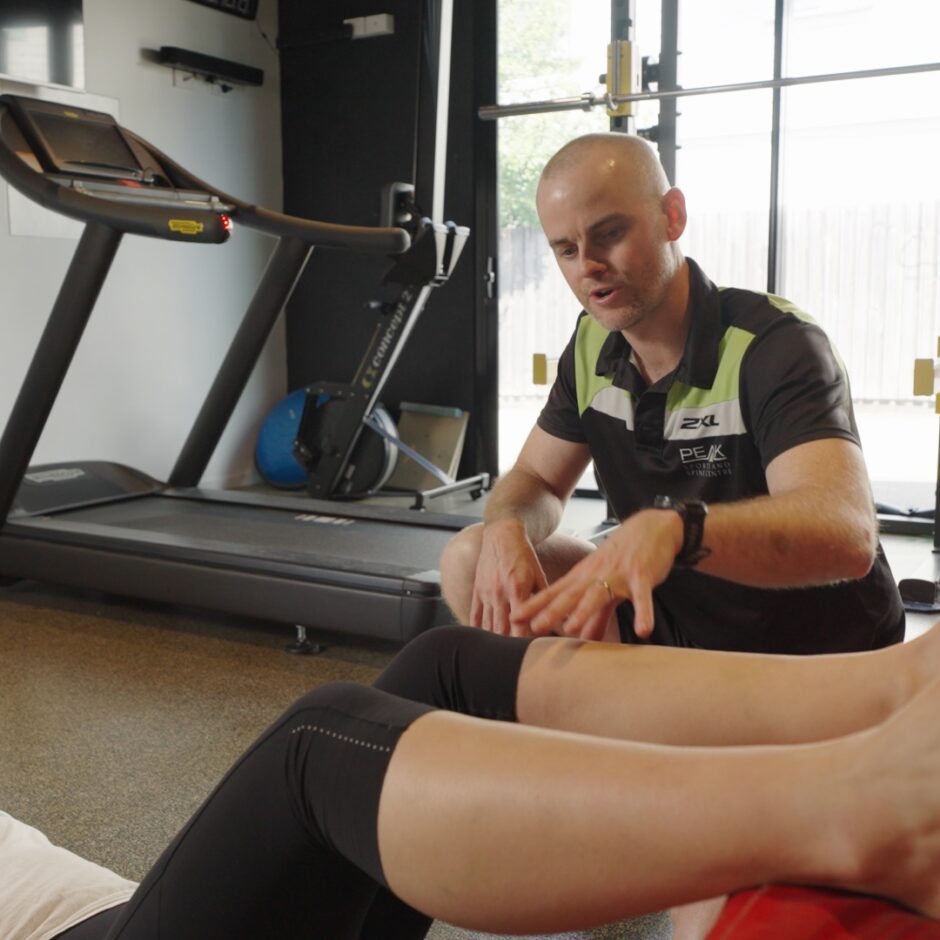
A staged approach that rebuilds the tendon’s tolerance to force over time. When a tendon is very reactive and sore, the first step is often isometric loading. Isometrics involve creating tension without joint movement, such as wall sits for patellar tendon pain, holding the top of a calf raise for Achilles pain, or static wrist flexion holds for golfer’s elbow. These exercises place controlled tension through the tendon and can reduce pain sensitivity without repeatedly compressing and stretching the tissue. This stage helps calm symptoms, but it isn’t the full solution — it simply creates a stable starting point.
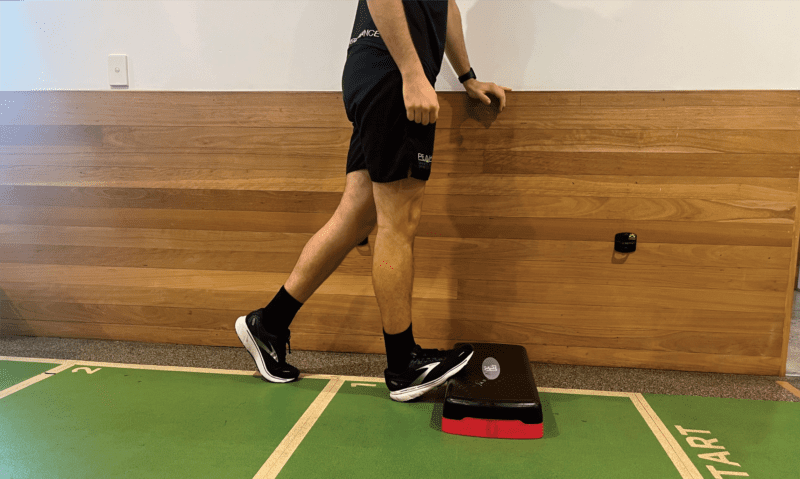
Once pain is more manageable, the focus shifts to slow, heavy resistance training. Tendons adapt much more slowly than muscles, so while you may feel stronger quickly, the tendon is still rebuilding behind the scenes. Slow, controlled movements remove the “spring-like” stress that fast actions create and instead expose the tendon to sustained tension. Exercises like slow squats, controlled calf raises, step-downs, or wrist curls progressively rebuild the tendon’s strength and structural tolerance. Consistency matters here — gradual increases in load over weeks allow the tendon to remodel and become more resilient. Mild discomfort during rehab is often acceptable, but sharp or escalating pain is a signal that the load is too high.
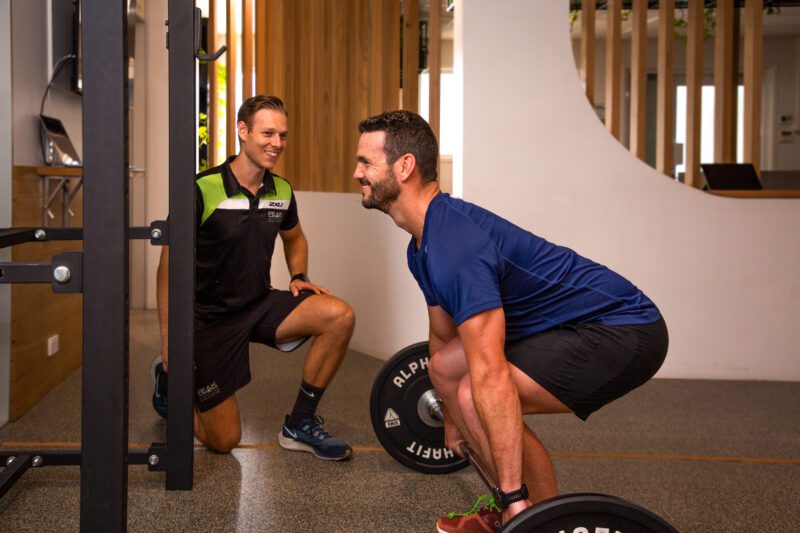
The final and often overlooked stage is restoring energy storage capacity. Tendons function like springs during running, jumping, and rapid direction changes. If rehab stops at slow strength work and you jump straight back into high-speed sport, the tendon hasn’t been retrained for those rapid force demands. This is where plyometrics, jogging progressions, hopping drills, or return-to-sport drills are introduced gradually. The tendon is progressively taught to store and release energy again — safely and strategically.
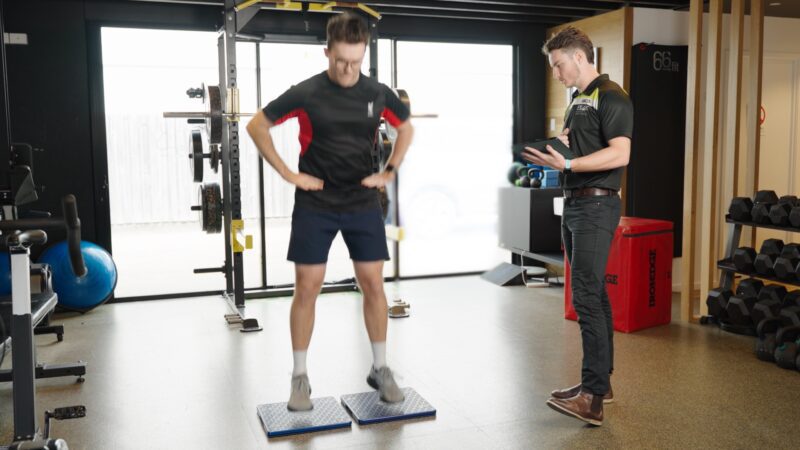
Rest has a short-term role if pain is severe, but complete unloading reduces tendon capacity and increases the likelihood of flare-ups when activity resumes. The goal isn’t avoiding load; it’s exposing the tendon to the right amount of load at the right time. Tendon adaptation takes patience — often weeks to notice meaningful improvement and months to fully restore capacity — but when done properly, outcomes are highly predictable.



In simple terms, tendon pain is a loading problem, and it requires a structured loading solution. When you reduce pain strategically, rebuild strength progressively, and reintroduce speed methodically, the tendon doesn’t just settle — it becomes more resilient and better prepared for the demands you place on it.
If tendon pain has been lingering or keeps returning when you try to get back into training, you likely don’t need more rest — you need a clear loading plan. A coach can assess where your tendon capacity currently sits and guide you through the right progressions so you can keep moving while it improves. If you’re unsure how to start or what level of load is appropriate, reach out to a coach and get a structured plan in place early
Brisbane Physiotherapy Hours on your phone or laptop can lead to text neck. Learn the symptoms, causes and how PEAK’s Brisbane team can help relieve neck...
Read more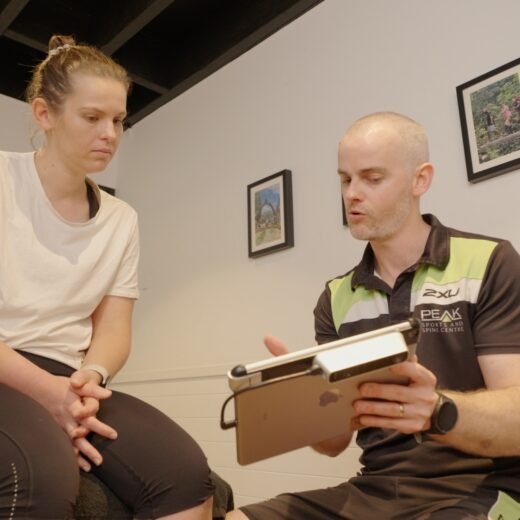 WorkCover Brisbane
 Injured at work? Learn how WorkCover physiotherapy and chiropractic at PEAK can help you recover, manage your claim, and return to work with confidence.
Read more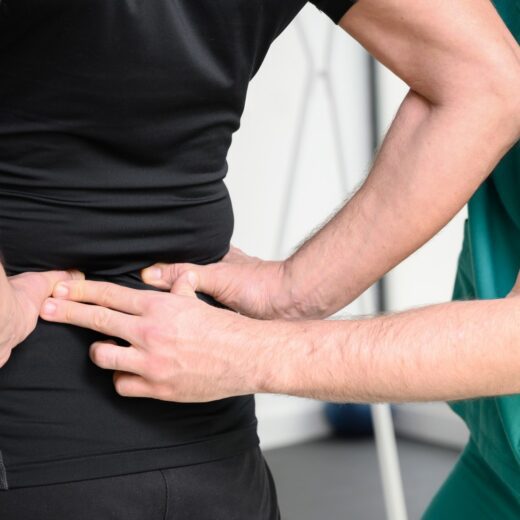 lower back pain treatment
 Lower back pain is one of the most universal health complaints there is. Globally, hundreds of millions of people are living with it at...
Read more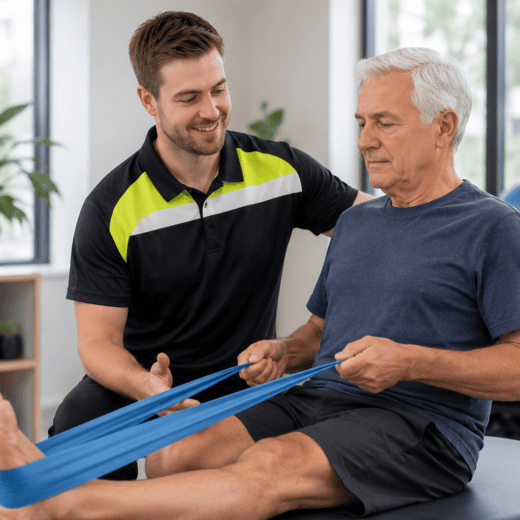 DVA podiatry Brisbane
 Hold a DVA Gold or White Card? Learn how to access no-gap physiotherapy, chiropractic and podiatry care at PEAK Sports & Spine Centre in...
Read more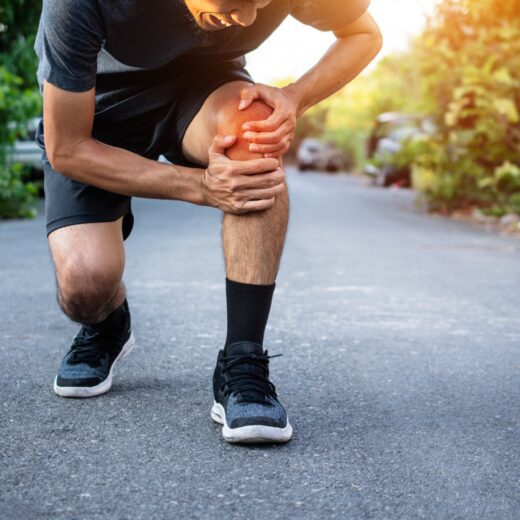 running injury treatment
 Running injuries are common, but many can be prevented. Learn why they happen, how to reduce your risk, and how PEAK helps Brisbane runners...
Read more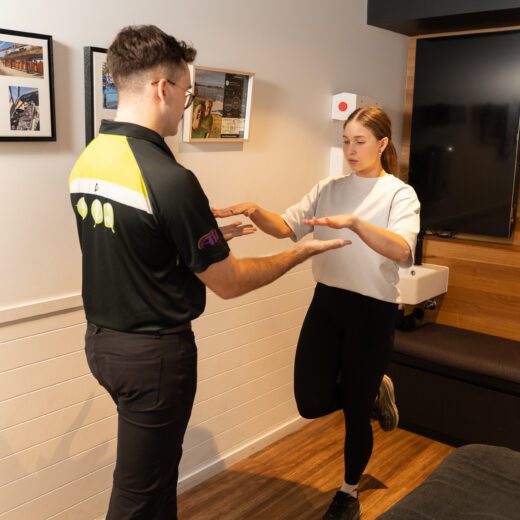 BPPV Treatment
 Dizziness and vertigo can make even simple daily activities feel overwhelming. From BPPV and vestibular migraines to post-concussion dizziness, understanding the cause is the...
Read more
Build Career Confidence: If you are training for the Gold Coast Marathon right now, or you are the kind of person who has a...
Read more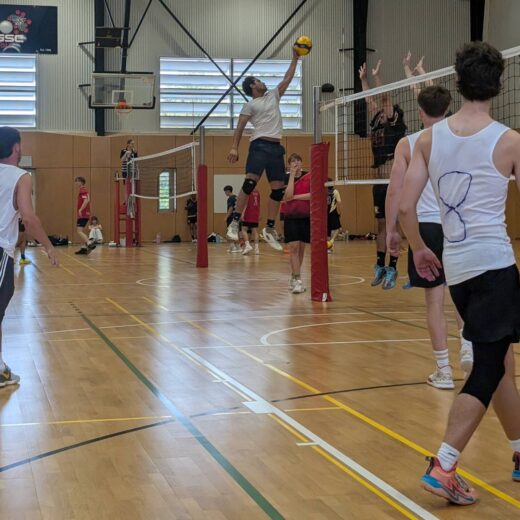 Rehabilitation Journey
 Stepping into an Athlete’s Shoes: Keagan’s ACL Journey The injury knowledge that you hold as a PEAK coach, unfortunately, does not keep you immune to sustaining...
Read more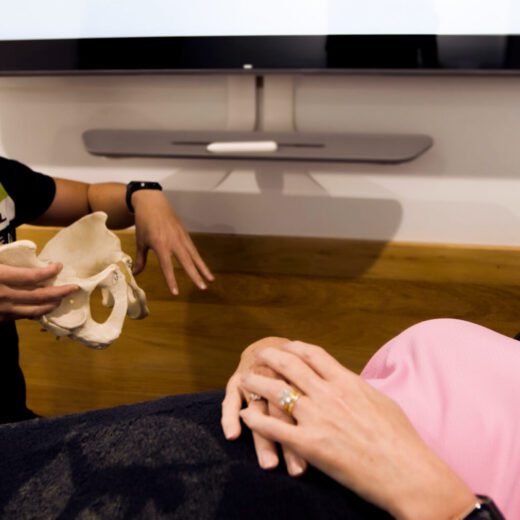 physiotherapy
 For many women, Menopause can feel like a sudden shift in how their body moves, feels, and recovers. Menopause Physiotherapy can help women manage...
Read more Acute Knee Ligament Injuries
 Knowing what to do after a knee injury can make a significant difference to recovery. Early assessment and diagnosis are essential, and physiotherapists play...
Read moreNot exactly what you're looking for?
View all articles






Can't find what you're after?
View all ServicesOr email the PEAK team at info@peakssc.com.au
To make a booking outside of business hours, please use our form by clicking here.
To make a booking outside of business hours, please use our form by clicking here.