More Than a Finish Line: Sophie Dyer’s T100 Journey
At PEAK Sport and Spine, we’re lucky to be surrounded by people who don’t just talk about resilience, discipline, and performance — they live...
Read moreAs a podiatrist — and someone who sees children in clinic every week — one of the most common concerns parents raise at this time of year is school shoes.
With the return to school, many families are buying new shoes and wondering:
These are very valid questions. Children’s feet are still developing, and footwear can either support that development — or work against it.
This guide is designed to help parents understand what really matters when choosing school shoes, what common foot issues we see in children, and when it’s worth booking a podiatry assessment for peace of mind.
At PEAK, we commonly see children presenting with:
In many cases, footwear is part of the picture.
When helping parents choose school shoes, I suggest focusing on fit, structure, and function rather than brand names.
Proper Fit
Firm Heel Counter
A firm heel helps control excessive movement and provides stability, particularly for children with flatter or more flexible feet.
Flexible Forefoot
The shoe should bend where the toes bend — not in the middle of the shoe.
This allows for natural movement during walking and running.
Secure Fastening
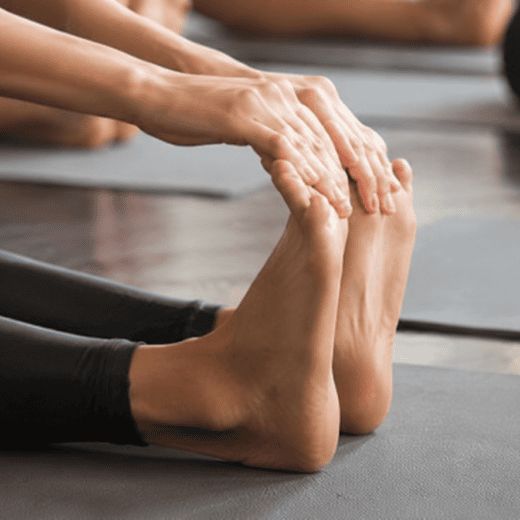
Laces or Velcro straps help keep the foot stable in the shoe.
Slip-on styles often lack sufficient support for all-day wear.
Children’s feet grow quickly, so fit should be checked every few months.
Flat feet are extremely common in children and are often part of normal development. Many children have flexible flat feet that improve as they grow. However, if flat feet are associated with: Pain, Fatigue, Poor endurance, or Frequent tripping, then footwear and, in some cases, orthotic support may be helpful.
Heel pain is common in active children, particularly during growth spurts. This is often related to irritation of the heel growth plate and can be worsened by unsupportive or worn-out shoes. Early assessment and appropriate footwear can significantly reduce symptoms.
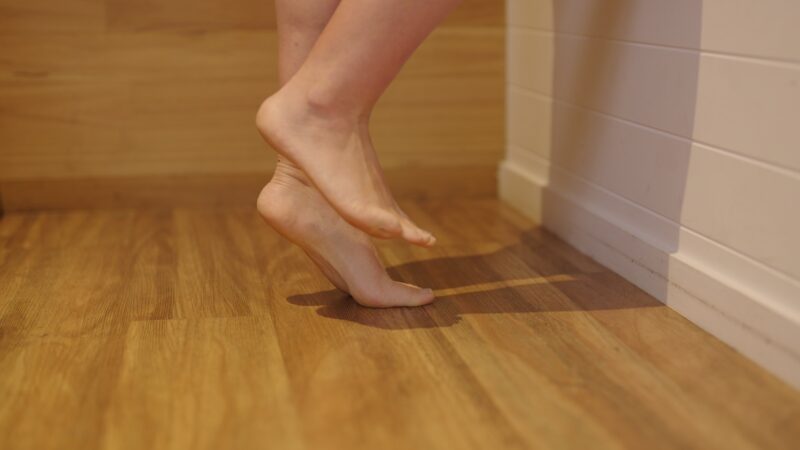
Occasional toe walking in younger children can be normal. Persistent toe walking, however, may be linked to muscle tightness or biomechanical factors and should be assessed if it continues beyond early childhood.
Shoes that are too narrow or short are a frequent cause of ingrown toenails, blisters, and skin irritation in children. Proper fit and nail care are key to prevention.
Not every child needs orthotics — and they are never a one-size-fits-all solution.
Orthotics may be considered if a child has:
A podiatry assessment allows us to determine whether footwear alone is sufficient or whether additional support would be beneficial.
I recommend booking an assessment if you notice:
Often, a single assessment can provide reassurance — or early intervention that prevents problems from escalating.
At PEAK, our podiatrists take a practical, evidence-based approach to children’s foot health.
We focus on:
Our goal is not to over-treat — it’s to help children move comfortably and confidently.
If there’s one takeaway for parents, it’s this: you don’t need to have all the answers — but you shouldn’t ignore ongoing concerns either. Choosing the right school shoes is an important part of supporting your child’s growth, comfort, and confidence. And when in doubt, a simple podiatry assessment can provide clarity and peace of mind.
Book an appointment with our podiatrists at PEAK Sports & Spine Centre and ensure your child is starting the school year on the right foot.
At PEAK Sport and Spine, we’re lucky to be surrounded by people who don’t just talk about resilience, discipline, and performance — they live...
Read moreAt PEAK, we’re obsessed with helping you achieve experiences not felt possible —and Craig’s story is exactly what that looks like in real life. Craig...
Read moreBone stress injuries (BSIs) are a common issue, particularly in runners and active individuals. Despite often being associated with the term “stress fracture,” these...
Read moreAt PEAK Sports & Spine Centre, this is one of the most common things we hear: “My knee always flares up when it gets cold.” “I...
Read moreFor combat athletes, toughness is often worn like a badge of honour. Showing up to training sore, pushing through fatigue, and grinding through hard...
Read moreIn October last year, Tess got the news that every endurance athlete dreads to hear: a bone stress injury to her femur. Not a...
Read moreAt PEAK Sports and Spine Centre, we often encourage our athletes to Dream Big. For some people that means returning to sport after injury....
Read moreTendon pain is one of the most misunderstood injuries. It rarely behaves like a typical “strain,” it doesn’t always swell, and complete rest often...
Read moreRectus diastasis can be a common concern for mothers post birth particularly as to whether it will always be present and how it may...
Read moreThe real race begins in your mind. by Nathan Denham, PEAK Coach and Physiotherapist
Read moreNot exactly what you're looking for?
View all articlesCan't find what you're after?
View all ServicesOr email the PEAK team at info@peakssc.com.au
To make a booking outside of business hours, please use our form by clicking here.