Osteoporosis: Why Strength Training Is One of the Best Investments You Can Make in Your Bone Health
When we think about staying healthy as we age, we often focus on our heart, muscles or joints. But our bones deserve just as...
Read morePain is a complex experience controlled by the nervous system and influenced by physical, psychological, and social factors. When your body becomes injured, specialized nerve endings called nociceptors detect potential harm and send signals to the spinal cord and brain. The brain then interprets and assesses these signals, deciding whether or not to produce the sensation of pain. However, this system is not always perfect. Pain can be amplified or persist even after an injury has healed, or it can occur in the absence of any injury at all. This is due to the over-protective nature of our body’s alarm system for pain.
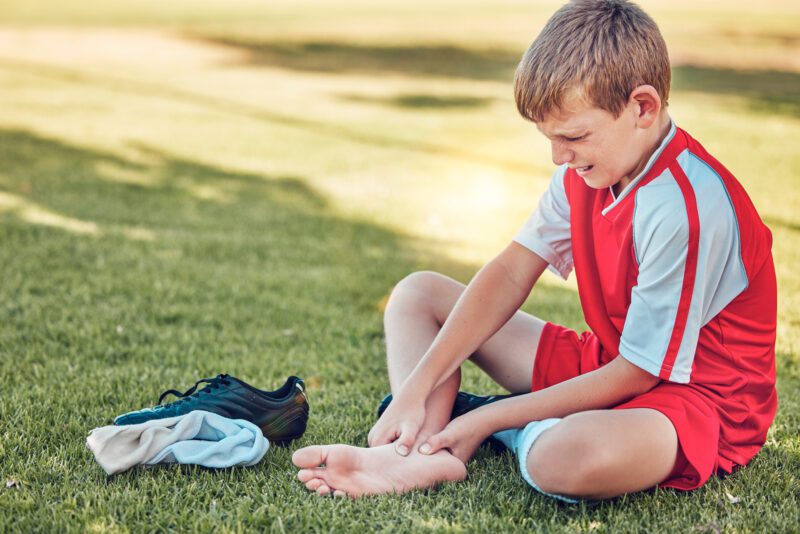
Sever’s disease typically affects physically active children aged between 8 and 15 years old. It is more common in:
The condition is not caused by disease in the traditional sense but by overuse and mechanical stress during key developmental years.
The main contributors to Sever’s disease include:
These factors can irritate the heel’s growth plate, especially when repetitive stress is applied without adequate recovery time
Signs that your child may have Sever’s disease include:
If your child regularly complains of heel pain after playing sports, it’s worth having them assessed by a healthcare professional.
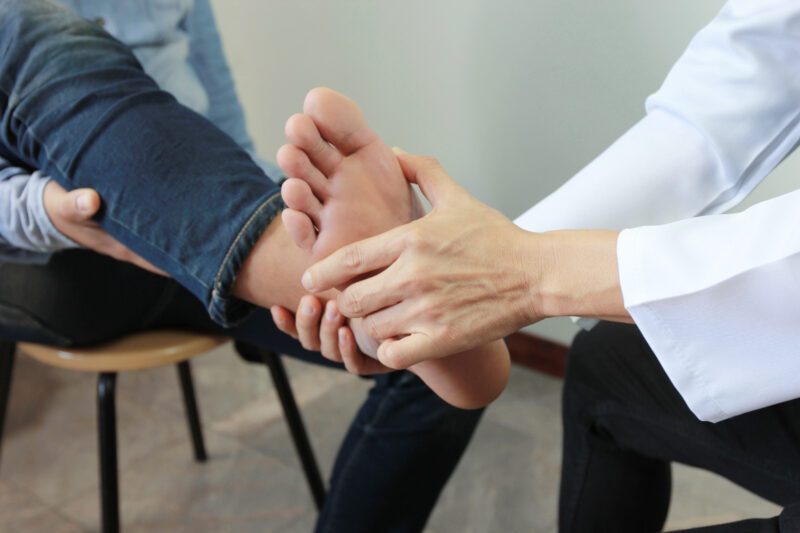
Diagnosis typically involves a physical examination by a podiatrist or GP. In most cases, no imaging is needed, but occasionally an X-ray may be used to rule out fractures or other causes of heel pain.
Because this condition is common in growing children, an experienced podiatrist can often make a confident diagnosis based on symptoms and activity history.
Sever’s disease usually resolves on its own once growth slows down, but active treatment can ease symptoms and prevent recurrence. Management strategies include:
If your child is experiencing heel pain, limping, or discomfort after physical activity, it could be a sign of Sever’s disease or another growth-related issue. Don’t wait for it to worsen—early assessment can make a big difference. If you need support managing your child’s foot health, our experienced podiatry team is here to help. Book an appointment or give us a call on 07 3399 3318.
When we think about staying healthy as we age, we often focus on our heart, muscles or joints. But our bones deserve just as...
Read moreHormonal changes throughout a female’s life can influence muscles, tendons, ligaments and bones. Understanding these changes can help guide training, recovery and injury prevention.
Read moreA shoulder dislocation changed Corey’s season, but it didn’t change his goals. Through progressive rehabilitation, strength training and a commitment to the process, Corey...
Read moreChoosing the right running shoes is about more than comfort. Understanding your running biomechanics, training goals, injury history, and personal preferences can help you...
Read moreStiff ankles can affect your squat, walking and overall lower limb movement. Learn what causes ankle stiffness and explore simple exercises to improve ankle...
Read moreLearn how rotator cuff strength influences shoulder pain and discover two simple exercises that may help reduce painful movement and improve shoulder stability.
Read moreDiscover five common reasons to see a Women’s Health Physiotherapist and how personalised treatment can support pelvic health, pregnancy and postpartum recovery.
Read moreHeel pain is one of the most common conditions affecting active children during growth spurts. Learn what causes Sever’s disease, the symptoms to watch...
Read moreUrinary incontinence is common and can affect people at different stages of life. Learn about the different types, potential causes, pelvic floor function and...
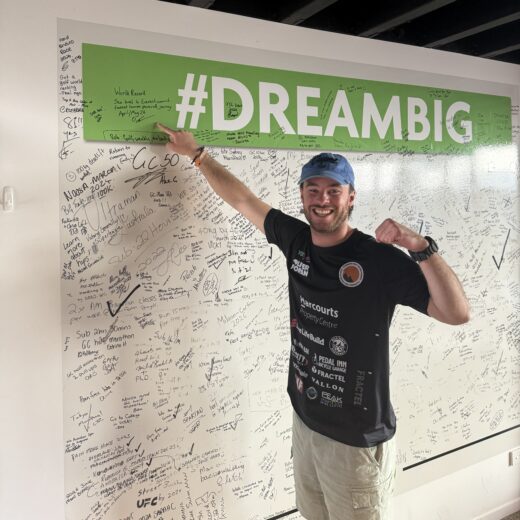
Read moreOliver Foran: From sea level to the summit of Mount Everest in just 50 days, Oliver Foran’s world record journey is a remarkable story...
Read moreNot exactly what you're looking for?
View all articlesCan't find what you're after?
View all ServicesOr email the PEAK team at info@peakssc.com.au
To make a booking outside of business hours, please use our form by clicking here.