From Chronic Pain to Chasing Marathon Goals: Ellie’s Story
At just 21 years old, Ellie finally received an answer to the symptoms that had impacted her life for years: fibromyalgia. For five years, she...
Read more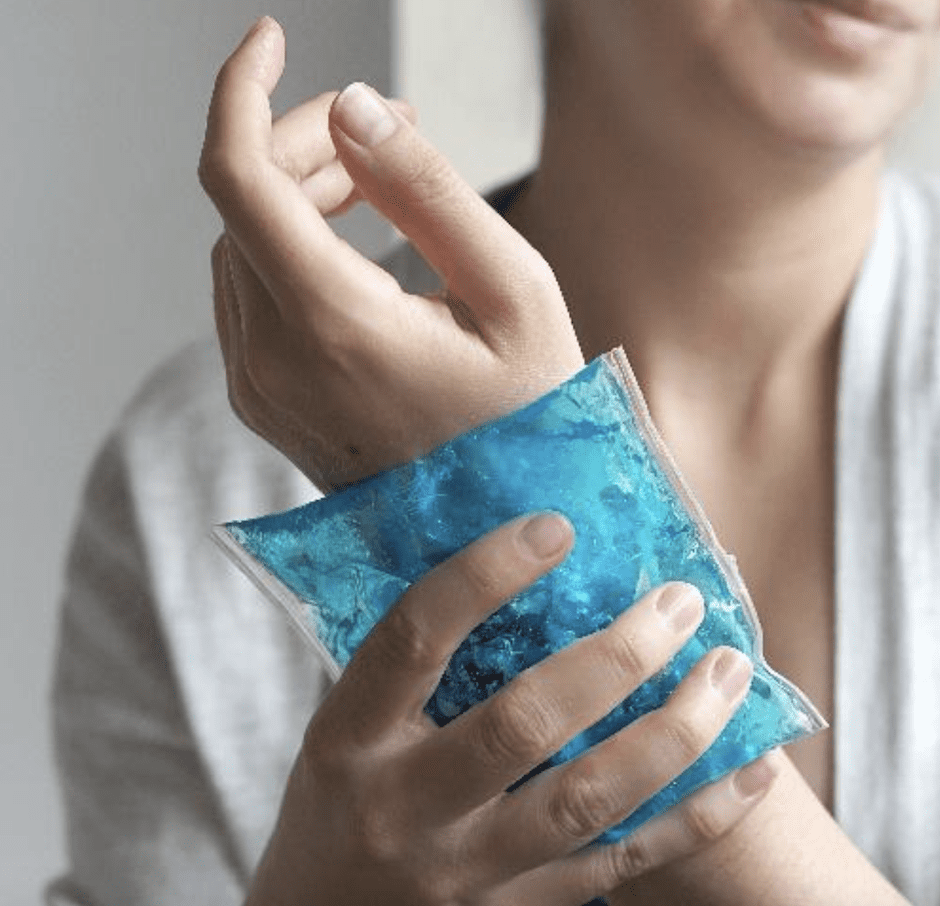
If you’re experiencing the following symptoms after childbirth, you may have De Quervain’s Tenosynovitis:
Pain at the base of the thumb that may extend into the wrist and even up to the forearm.
Swelling around the base of the thumb.
Pain worsens with activities such as lifting your baby under their armpits, turning your wrist, grasping objects and breast feeding positions.
Difficulty moving your thumb due to pain.
Weakness in your hand, particularly noticeable when gripping or holding objects.
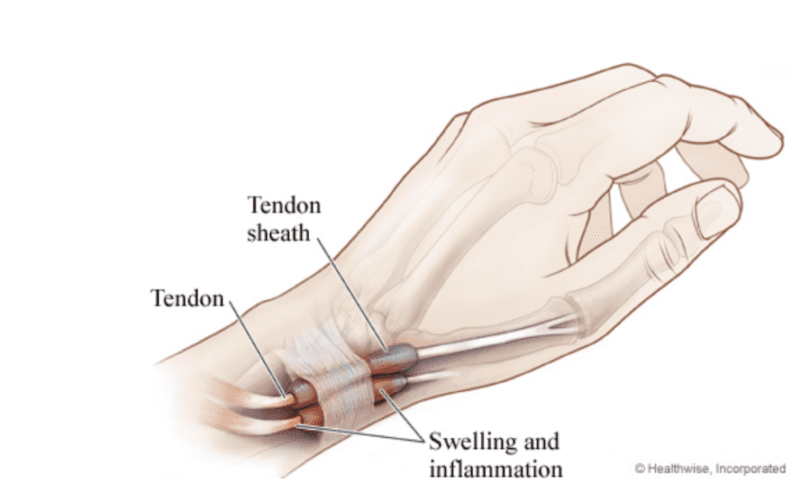
The good news is that De Quervain’s Tenosynovitis is very treatable, and there are several effective treatment options available:
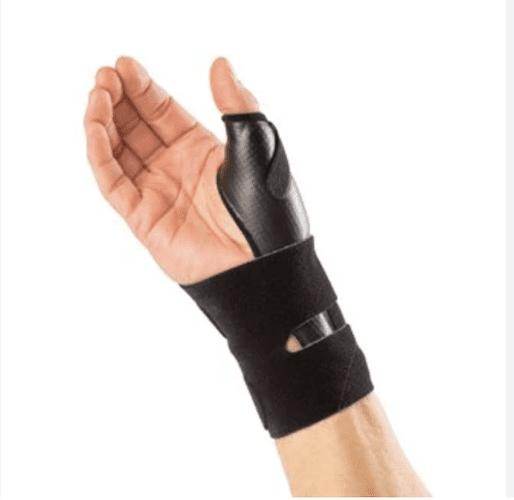
De Quervain’s Tenosynovitis is a common issue among new mothers, but with proper management and treatment, you can alleviate the pain and discomfort associated with it. By modifying activities, using supportive measures like splints, and seeking appropriate medical advice, you can effectively manage and recover from this condition. If you’re experiencing persistent symptoms, consulting with a healthcare professional, such as a physiotherapist or GP, is crucial for personalised treatment and guidance tailored to your needs. You can also discuss this with your Women’s Health Physiotherapist during pregnancy to develop strategies to try and prevent De Quervain’s Tenosynovitis postpartum.
Remember, taking care of yourself is essential as you navigate the joys and challenges of motherhood. Addressing De Quervain’s Tenosynovitis promptly can help you enjoy this special time with less pain and more comfort.
At just 21 years old, Ellie finally received an answer to the symptoms that had impacted her life for years: fibromyalgia. For five years, she...
Read more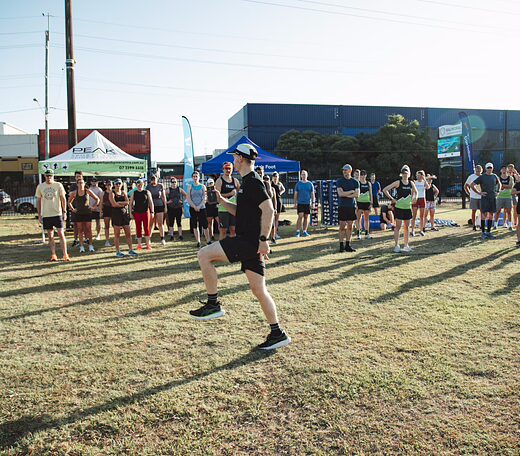
The two-hour marathon was never supposed to happen. For decades, it stood as one of sport’s greatest impossible barriers – a number that seemed just...
Read more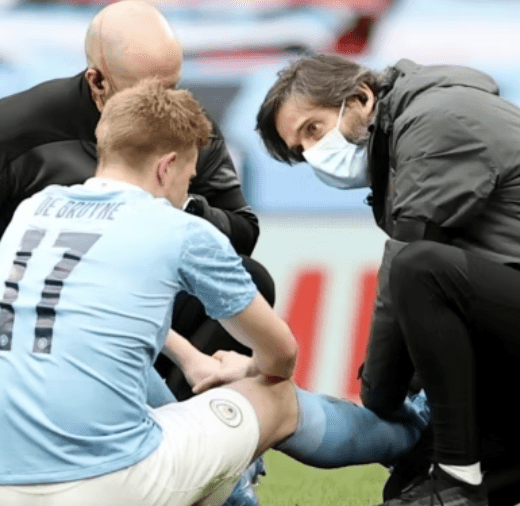
A high ankle sprain is a common sporting injury that is often more serious and slower to recover from than a typical ankle sprain....
Read more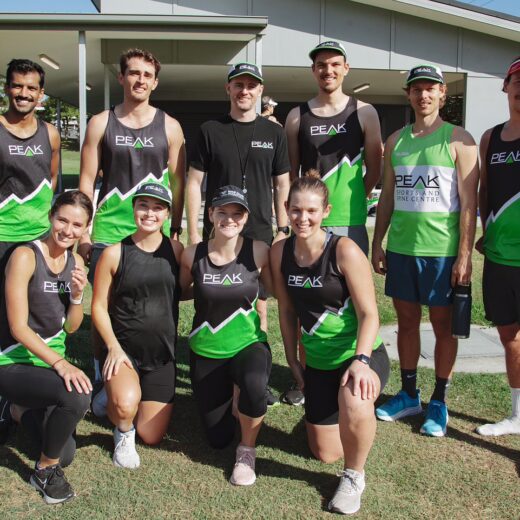
Join the Sunshine Coast Marathon with PEAK Sports and Spine Centre: Run with a Winning Team and Enjoy Exclusive Perks!Are you ready to challenge...
Read more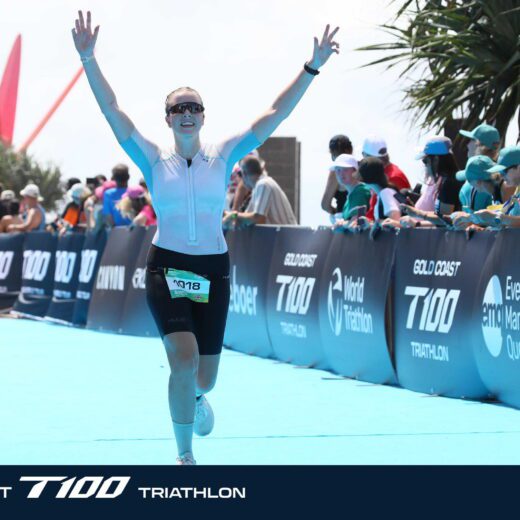
At PEAK Sport and Spine, we’re lucky to be surrounded by people who don’t just talk about resilience, discipline, and performance — they live...
Read more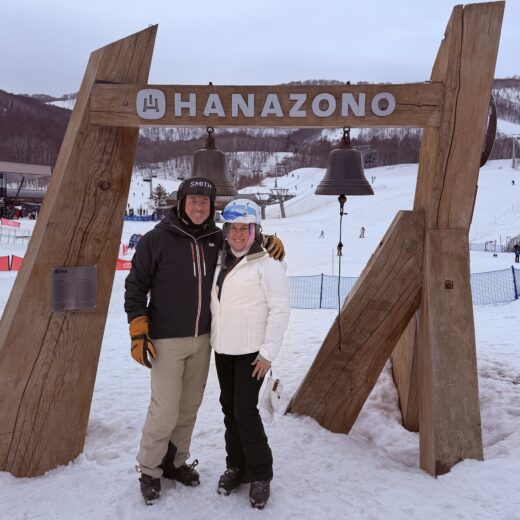
At PEAK, we’re obsessed with helping you achieve experiences not felt possible —and Craig’s story is exactly what that looks like in real life. Craig...
Read more
Bone stress injuries (BSIs) are a common issue, particularly in runners and active individuals. Despite often being associated with the term “stress fracture,” these...
Read more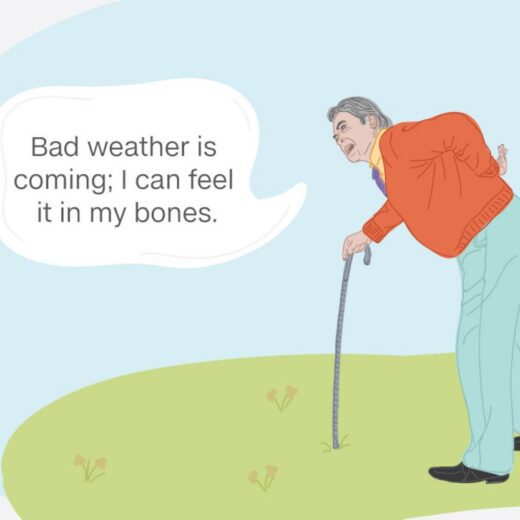
At PEAK Sports & Spine Centre, this is one of the most common things we hear: “My knee always flares up when it gets cold.” “I...
Read more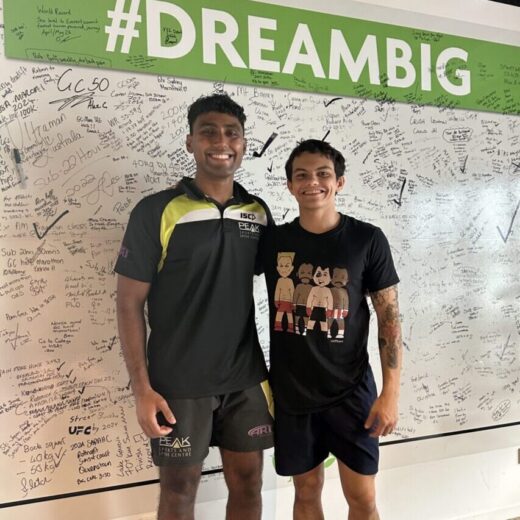
For combat athletes, toughness is often worn like a badge of honour. Showing up to training sore, pushing through fatigue, and grinding through hard...
Read more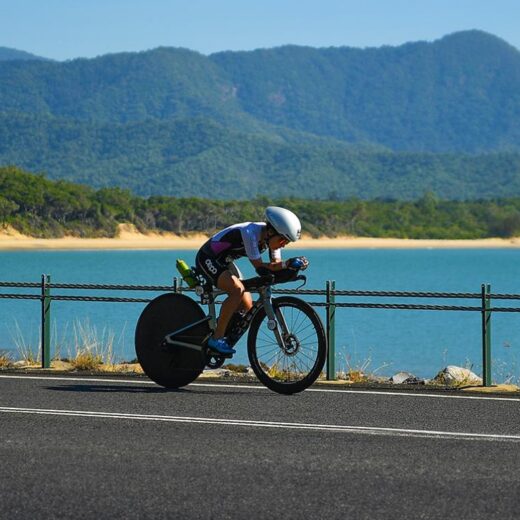
In October last year, Tess got the news that every endurance athlete dreads to hear: a bone stress injury to her femur. Not a...
Read moreNot exactly what you're looking for?
View all articles



Can't find what you're after?
View all ServicesOr email the PEAK team at info@peakssc.com.au
To make a booking outside of business hours, please use our form by clicking here.
To make a booking outside of business hours, please use our form by clicking here.