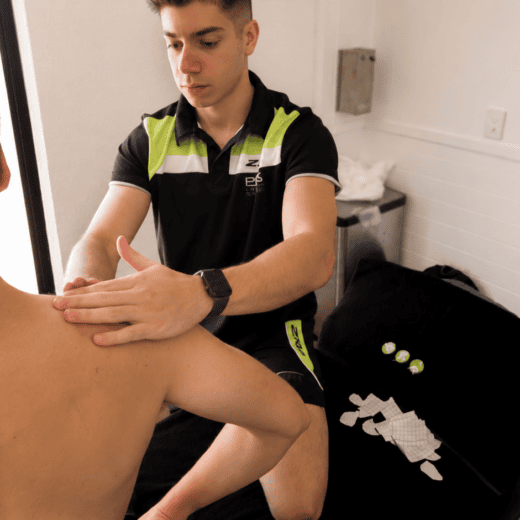
 AC Joint Injury
AC Joint Injuries in Footy Explained
AC joint injuries can affect shoulder strength, movement and your ability to return to sport. Understanding the injury and following the right rehabilitation plan...
Read more
One of the biggest draws of BJJ is the physical workout it provides. Unlike traditional gym workouts that focus on repetitive sets and stationary movements, BJJ engages your entire body in dynamic, complex ways. Each roll (sparring session) involves using core strength, balance, coordination, and agility to move, defend, and attack.
BJJ offers a blend of strength training, cardio, and flexibility work—all in one session. It can improve your cardiovascular health, build muscle endurance, and enhance flexibility over time. The workout itself doesn’t feel like exercise because your mind is so focused on the techniques and strategies. As a result, people often find themselves getting in the best shape of their lives without even realizing how hard they’re working.
BJJ is often called “human chess” because of the strategic thinking involved. Every move has a counter, and each position offers unique possibilities. You’re constantly assessing and making quick decisions about how to proceed, how to defend, and how to transition.
For adults, this mental engagement is incredibly valuable. BJJ helps build problem-solving skills under pressure, boosts memory and focus, and keeps your mind sharp. The mental stimulation of BJJ can be especially refreshing for adults who spend their days in routine jobs or who crave something new and challenging. It’s a skill that requires you to think, adapt, and adjust constantly, keeping your mind as active as your body.
BJJ was developed as a self-defense system, and its techniques focus on real-world effectiveness. Unlike many martial arts that rely on striking, BJJ emphasizes grappling and ground control, making it especially effective for defending against larger opponents in close-contact situations.
For adults interested in self-defense, BJJ teaches practical skills that can be applied even if you’re not the biggest or strongest person in the room. Techniques like escapes, holds, and submissions give you tools to neutralize a threat without having to throw a punch, which can be especially valuable in real-life situations. BJJ builds not only self-defense skills but also the confidence to handle unexpected situations with calm and control.

There’s something deeply empowering about learning how to defend yourself and mastering challenging techniques. As you progress in BJJ, you gain confidence that extends far beyond the mat. Many adults find that BJJ gives them a new sense of capability and self-assurance in other areas of their lives as well.
Additionally, BJJ is a great way to manage stress. Physical activity releases endorphins, which can help combat stress and anxiety. Training allows you to focus on the moment, putting your daily worries on hold while you’re on the mat. Plus, BJJ creates a sense of accomplishment with each small improvement or technique learned, leaving you with a feeling of progress that’s incredibly satisfying.
One of the best parts of joining a BJJ gym is the community. BJJ attracts people from all walks of life, from all ages and backgrounds. When you step onto the mat, everyone is equal, and the atmosphere is one of mutual respect and encouragement. Unlike some competitive sports, BJJ gyms often foster a team-oriented, supportive environment where everyone works together to improve.
Training partners play a huge role in your progress, and the friendships you form on the mat can become a valuable source of support both in and out of the gym. For many adults, the community aspect is what keeps them coming back, as they find a network of like-minded people who motivate them to stay consistent and grow.
BJJ is an incredibly deep and complex martial art, and even black belts will tell you there’s always more to learn. This continuous growth and learning make BJJ perfect for adults who crave a new hobby or passion that challenges them both physically and mentally.
As you progress, you’ll notice that your understanding of BJJ deepens, and you start seeing details and connections you couldn’t recognize before. It’s a lifelong journey, and unlike many physical activities, you can continue practicing BJJ well into later life. The belt progression provides tangible goals, but ultimately, the real reward is in the journey, not the destination.
Learning BJJ isn’t easy; it requires patience, discipline, and resilience. There will be times when you struggle, when you feel like you’re not improving, and when you’re pushed out of your comfort zone. But pushing through these challenges builds a powerful sense of resilience.
For adults, the discipline and mental toughness gained from BJJ can translate directly to personal and professional life. You learn to embrace setbacks, stay consistent, and celebrate small victories, developing habits that serve you well in all areas.
Brazilian Jiu-Jitsu is more than just a workout or a martial art; it’s a journey of personal growth, mental and physical development, and resilience. Whether you’re looking to get fit, learn self-defense, or find a new community, BJJ offers benefits that go beyond the mat and into every aspect of life.
Trying something new as an adult can be intimidating, but BJJ welcomes everyone at every level. So, if you’re considering a fresh challenge or looking for a way to invest in yourself, don’t hesitate. Step onto the mat, give it a try, and see how BJJ can transform your mind, body, and spirit.
AC Joint Injury AC joint injuries can affect shoulder strength, movement and your ability to return to sport. Understanding the injury and following the right rehabilitation plan...
Read more Shoulder Instability
Shoulder dislocation rehabilitation is about more than getting stronger. Learn how progressive physiotherapy can rebuild movement, control, confidence and the capacity to return to...
Read more Sports Physiotherapy
Campbell Antonio brings an elite-sport approach to physiotherapy, combining rehabilitation, performance and clinical reasoning to help people return to what they love.
Read more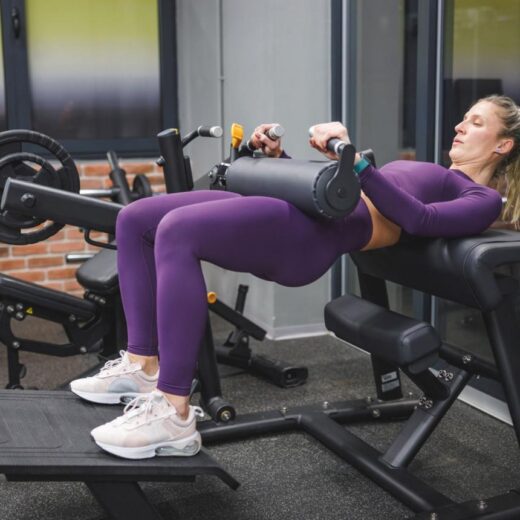 Female Athletes
Helping young female athletes build strength, confidence and movement skills while supporting performance and long-term injury prevention.
Read more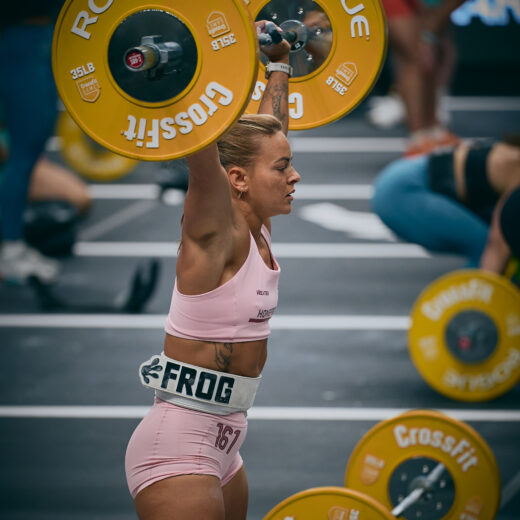
Christina Livaditakis shares her journey to 4th in the world at the 2026 CrossFit Games, reflecting on teamwork, resilience and what she learned along...
Read more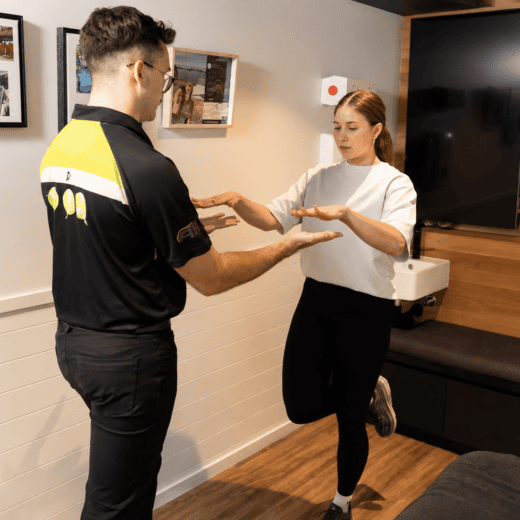 Concussion
 physio Brisbane athletes can trust starts with understanding what happens after a knock. Learn why the 21-day rule matters, why dark-room rest is...
Read more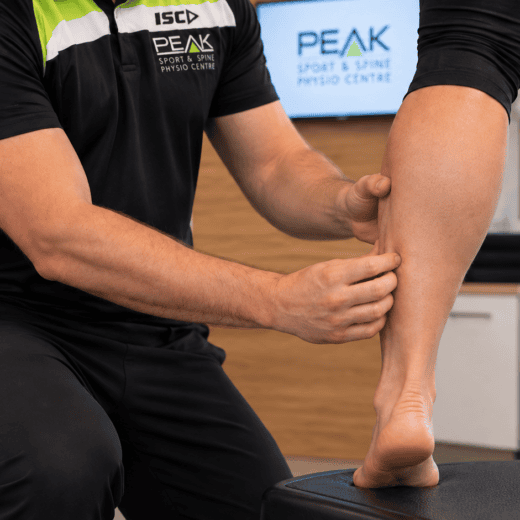 Calf Strain
Calf strains are common in runners and field athletes, especially after 30. Learn why they keep coming back and how the right rehabilitation can...
Read more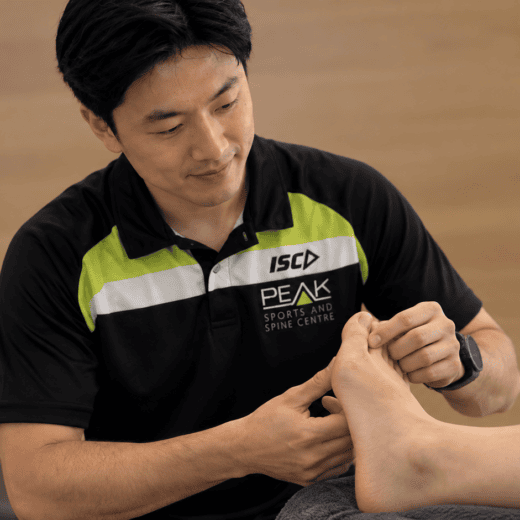 Foot Health
Bunions are common, but surgery isn’t always the answer. Learn what causes them, what can actually help, and when it’s worth seeing a podiatrist.
Read more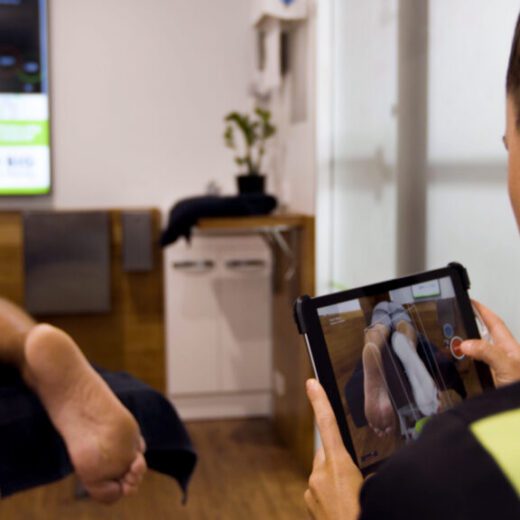 Running Injuries Brisbane
Achilles tendinopathy can be frustrating for runners, but rest alone isn’t always the answer. Learn how progressive loading, smart training and expert podiatry care...
Read more recovery
Goal setting in rehabilitation can make recovery more focused and achievable. See how short- and long-term goals can support motivation, confidence and progress.
Read moreNot exactly what you're looking for?
View all articles













Can't find what you're after?
View all ServicesOr email the PEAK team at info@peakssc.com.au
To make a booking outside of business hours, please use our form by clicking here.
To make a booking outside of business hours, please use our form by clicking here.