 Mount Everest
 From Sea Level to the Summit: Oliver Foran
Oliver Foran: From sea level to the summit of Mount Everest in just 50 days, Oliver Foran’s world record journey is a remarkable story...
Read more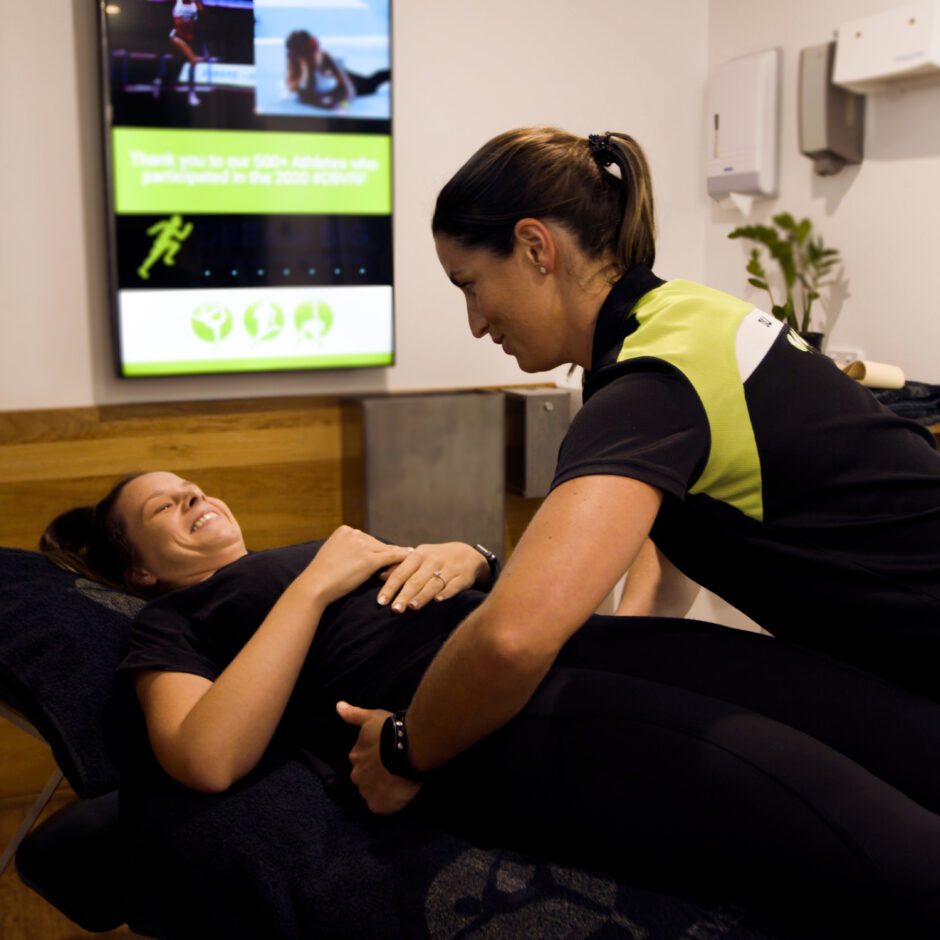
Women’s Health physiotherapy focuses on addressing and managing conditions related to female physiology, the reproductive system and pelvic health, including those that arise during pregnancy. Women’s Health physiotherapists are trained to handle the unique physical changes that occur during this period and offer tailored advice and treatments to support a healthier, more comfortable pregnancy.
As your body changes to accommodate your growing baby, you might experience new kinds of discomfort. Common issues such as lower back pain, pelvic pain as well as wrist and hand pain can significantly impact your quality of life. A Women’s Health physio can provide targeted exercises and manual therapy to alleviate these symptoms, helping you move more comfortably and enjoy your pregnancy more fully.
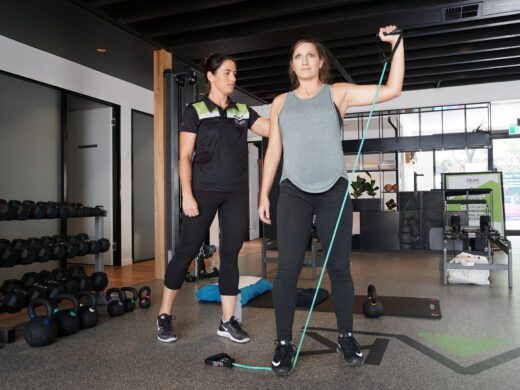
As your belly grows, maintaining good posture becomes increasingly challenging. A change in your posture may exacerbate pain or discomfort. We can offer guidance on how to appropriately and safely strengthen your body to best support you. This includes providing safe core, back and lower limb strength which can reduce strain on your body and ultimately prepare you for the physical demands of birth and best set you up for recovery postpartum.
The pelvic floor can be affected during pregnancy due to the hormonal and postural changes as well as weight of the baby sitting on it. This can in some cases lead to urinary incontinence, pain or dysfunction. Women’s Health physiotherapists are trained in pelvic floor health and can teach you exercises to strengthen these muscles, which can help prevent or manage these common concerns. Knowing how to correctly activate your pelvic floor is important to ensuring that your postpartum recovery is as smooth as possible.
Physiotherapists can provide you with strategies and exercises that prepare your body for labor and delivery. This includes techniques for managing labor pain, exercises to help optimise fetal positioning, and guidance on breathing and relaxation methods. This includes teaching you how to use techniques such as perineal massage to reduce the likelihood of perineal tearing. A well-prepared body can lead to a more positive birth experience and smoother recovery postpartum.
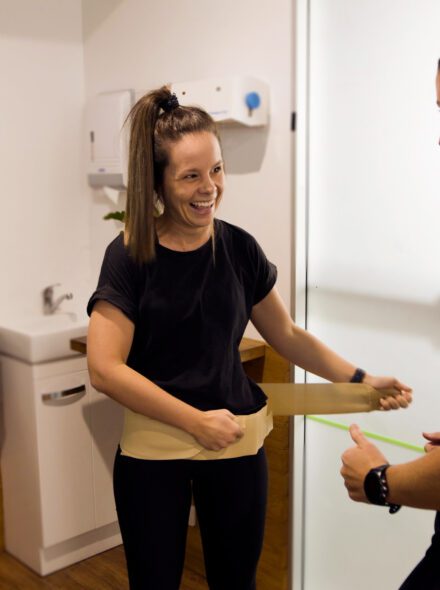
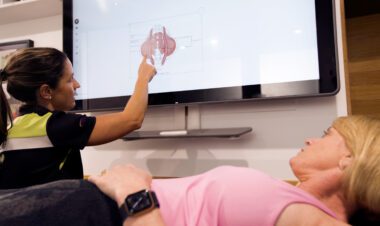
The benefits of physio extend beyond pregnancy into the postpartum period. A physiotherapist can assist with recovery by addressing issues like abdominal separation (diastasis recti), pelvic floor dysfunction as well as general strength and conditioning. We can assist in ensuring that you are feeling your best by using massage or dry needling treatment to assist with any postural pain associated with nursing. Our Women’s Health coaches are also trained in assisting with early mastitis treatment by using therapeutic ultrasound. Early intervention can help you return to your pre-pregnancy activities with greater ease and less discomfort.
Every pregnancy is unique, and a Women’s Health physio provides personalised care tailored to your specific needs and concerns. Whether you’re dealing with a particular issue or simply want to ensure you’re taking the best possible care of your body, a physiotherapist can offer individualised advice and support throughout your pregnancy journey.
Seeing our Women’s Health coaches during pregnancy can provide a range of benefits, from alleviating discomfort to preparing your body for labour and supporting postpartum recovery. By addressing physical changes proactively and with experienced guidance, you can enjoy a healthier, more comfortable pregnancy experience. Prioritise your well-being and give yourself the best start to motherhood by exploring the valuable support that physiotherapy can offer.
Mount Everest Oliver Foran: From sea level to the summit of Mount Everest in just 50 days, Oliver Foran’s world record journey is a remarkable story...
Read more Posture Correction
 Hours on your phone or laptop can lead to text neck. Learn the symptoms, causes and how PEAK’s Brisbane team can help relieve neck...
Read more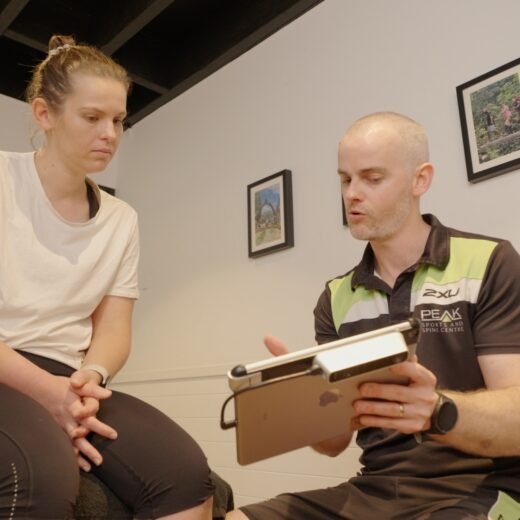 WorkCover Queensland
 Injured at work? Learn how WorkCover physiotherapy and chiropractic at PEAK can help you recover, manage your claim, and return to work with confidence.
Read more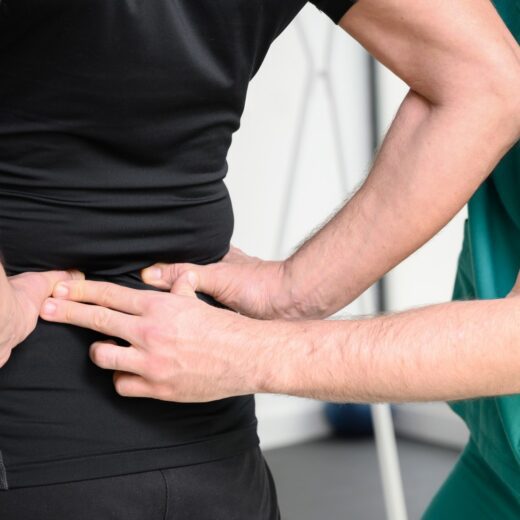 physio or chiro for back pain
 Lower back pain is one of the most universal health complaints there is. Globally, hundreds of millions of people are living with it at...
Read more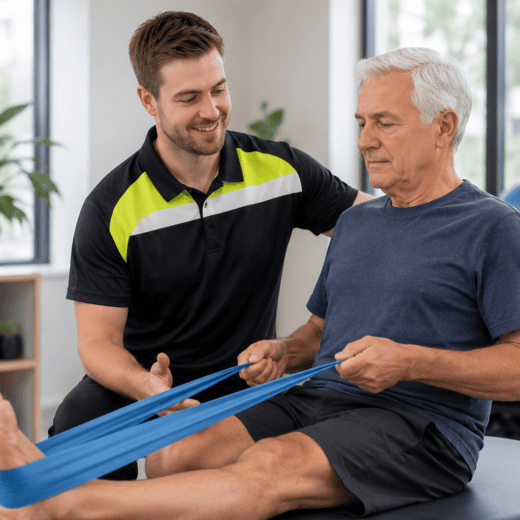 DVA chiropractor Brisbane
 Hold a DVA Gold or White Card? Learn how to access no-gap physiotherapy, chiropractic and podiatry care at PEAK Sports & Spine Centre in...
Read more common running injuries
 Running injuries are common, but many can be prevented. Learn why they happen, how to reduce your risk, and how PEAK helps Brisbane runners...
Read more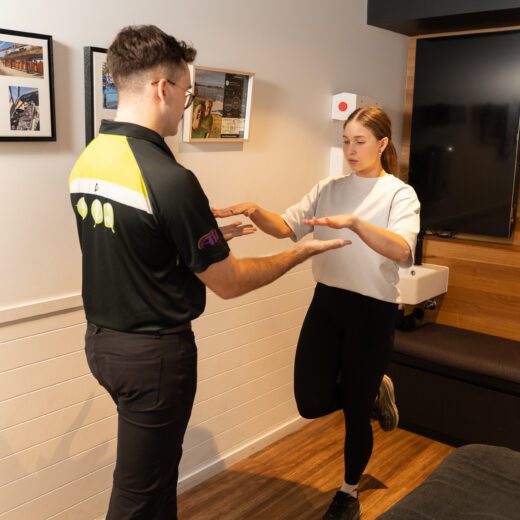 BPPV Treatment
 Dizziness and vertigo can make even simple daily activities feel overwhelming. From BPPV and vestibular migraines to post-concussion dizziness, understanding the cause is the...
Read more
Build Career Confidence: If you are training for the Gold Coast Marathon right now, or you are the kind of person who has a...
Read more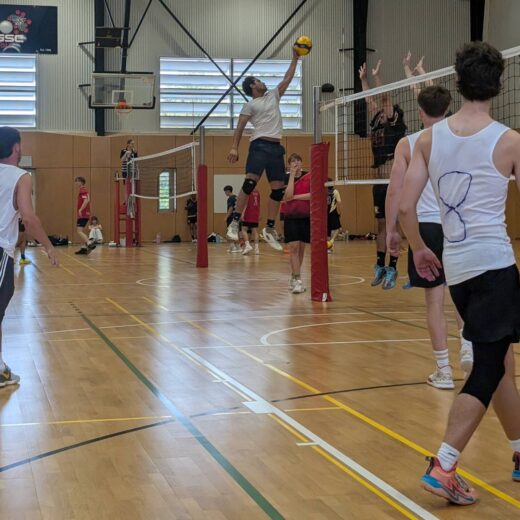 MCL Sprain
 Stepping into an Athlete’s Shoes: Keagan’s ACL Journey The injury knowledge that you hold as a PEAK coach, unfortunately, does not keep you immune to sustaining...
Read more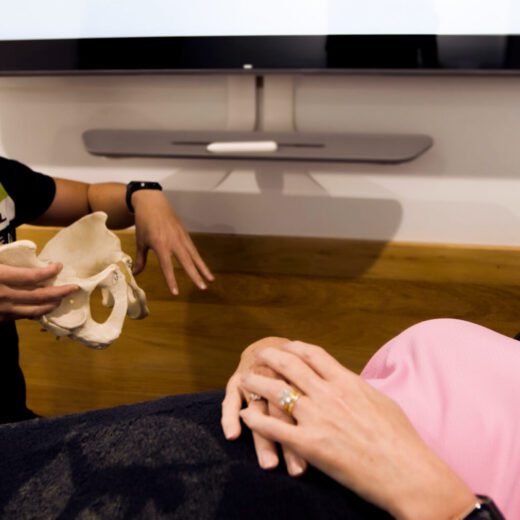 Menopause
 For many women, Menopause can feel like a sudden shift in how their body moves, feels, and recovers. Menopause Physiotherapy can help women manage...
Read moreNot exactly what you're looking for?
View all articles









Can't find what you're after?
View all ServicesOr email the PEAK team at info@peakssc.com.au
To make a booking outside of business hours, please use our form by clicking here.
To make a booking outside of business hours, please use our form by clicking here.