


From Chronic Pain to Chasing Marathon Goals: Ellie’s Story
At just 21 years old, Ellie finally received an answer to the symptoms that had impacted her life for years: fibromyalgia. For five years, she...
Read moreEvery lift — whether it’s a snatch or a clean & jerk — is a battle to keep your body and the barbell moving as one. The best lifters in the world make it look effortless not because they are the strongest, but because they are the most balanced and efficient.
When your centre of gravity stays directly over your base of support (your feet), you’re in control of the lift. The second the bar drifts away — even slightly — leverage is lost, energy is wasted, and your body starts working against itself instead of with the bar.
Olympic lifting isn’t just about pulling the bar up — it’s about pulling your body around the bar, keeping both balanced and close together through the entire movement.
One of the most important cues in lifting is: “keep the bar close.”
When the bar moves away from your body, the lever arm increases, putting more strain on your back, shoulders, and hips. A close bar path shortens that lever arm — meaning more power goes directly into lifting, instead of being lost to unwanted swinging or pulling.
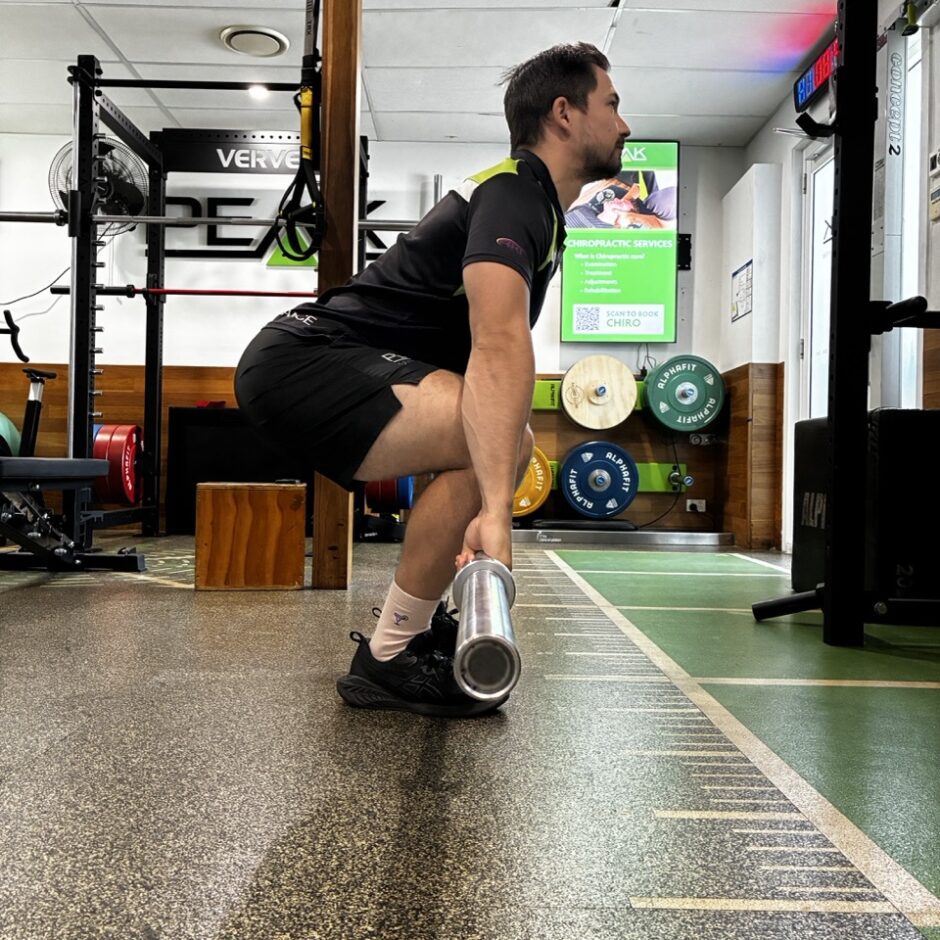
First Pull (Floor to Knees): The bar should travel vertically and stay close to your shins.
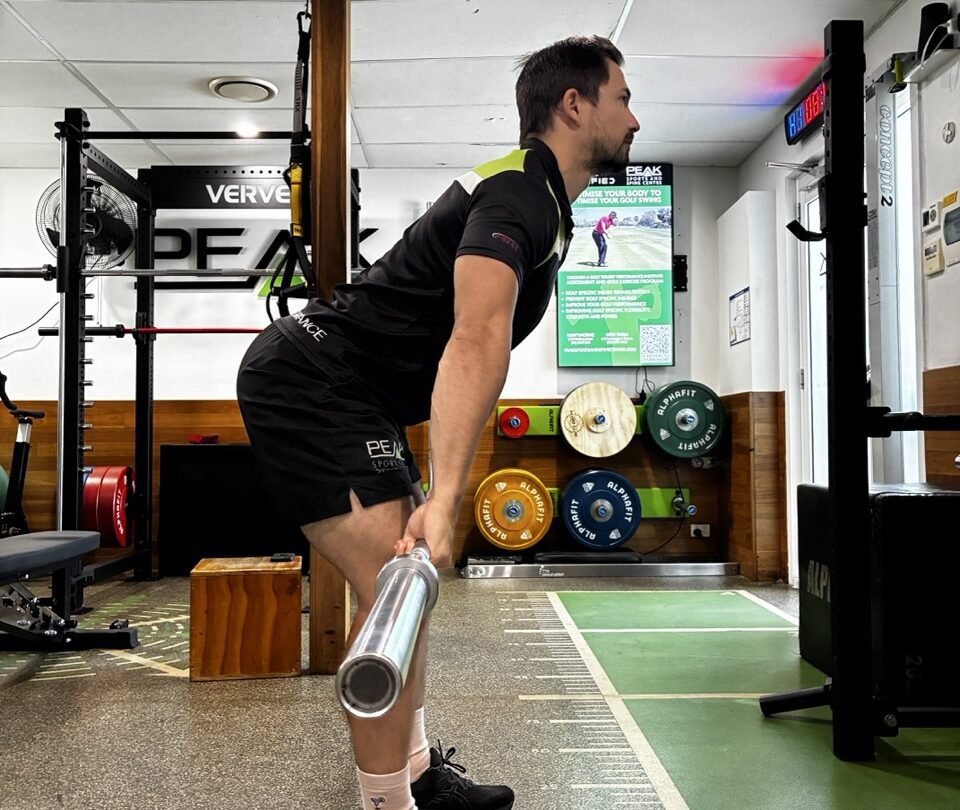
Transition & Second Pull (Knees to Hips): Balance matters most here. The bar should sweep back toward the body, passing close to the thighs as you drive through the mid-foot.
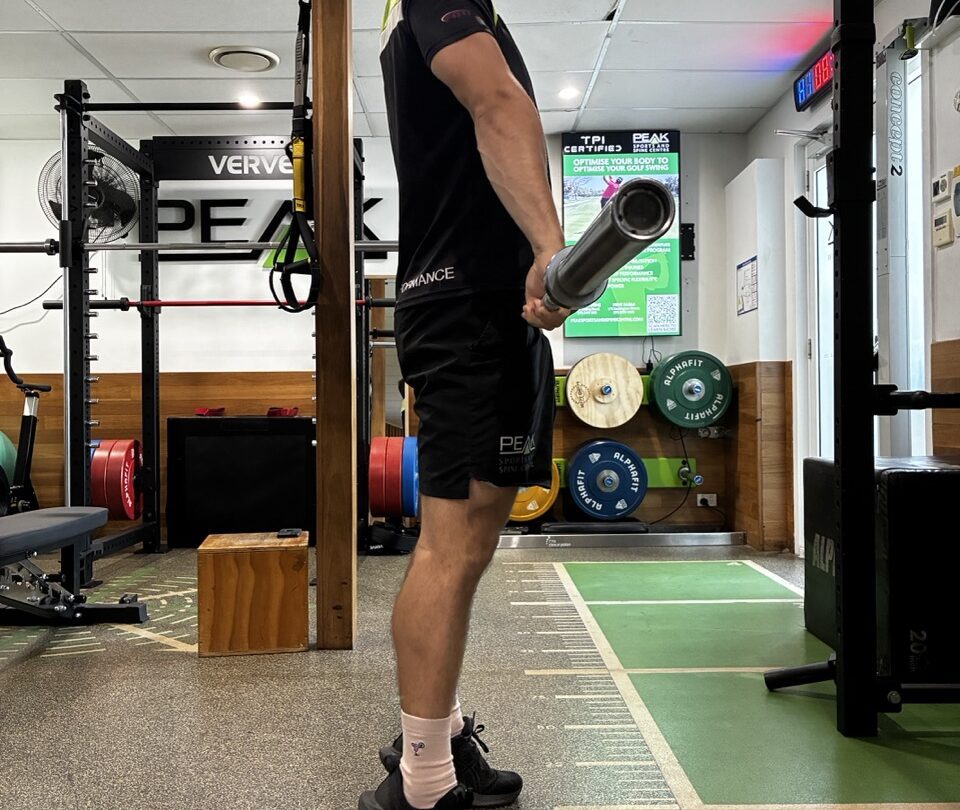
Third Pull (Pull Under): A bar that stays close travels straight up, giving you time to move under and catch it securely.


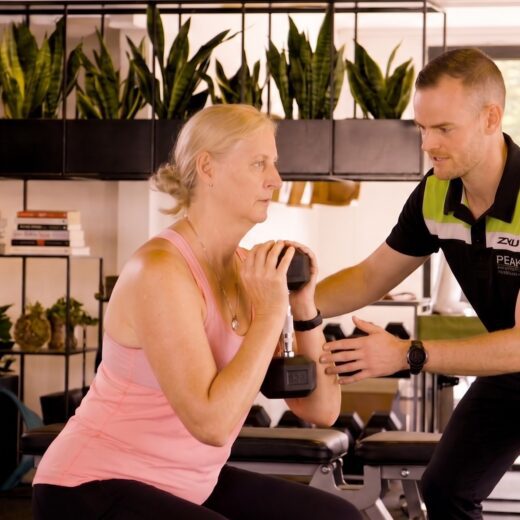
Come see our coaches — they can assess your technique and help you make instant, practical improvements in your pull and receiving positions
Even with perfect technique, mobility limits can hold you back.
Restricted ankles, hips, or thoracic spine mobility can shift your balance, pull the bar forward, or make it nearly impossible to hit strong receiving positions.
Limited dorsiflexion causes early heel lift and forward collapse.
Tight hip flexors or adductors restrict depth and knee tracking.
Poor mobility here affects upright posture and overhead stability.
Mobility isn’t just stretching — it’s about improving joint mechanics, control, and stability in the exact positions required for lifting.
If you’re struggling with technique, balance, or mobility — don’t wait until it turns into frustration or injury. Come see our coaches and they can assess movement, help you optimise bar path, improve mobility, and develop stronger, more consistent lifting positions. Small changes in how your body moves can lead to massive improvements in power, confidence, and performance on the platform.

At just 21 years old, Ellie finally received an answer to the symptoms that had impacted her life for years: fibromyalgia. For five years, she...
Read more
The two-hour marathon was never supposed to happen. For decades, it stood as one of sport’s greatest impossible barriers – a number that seemed just...
Read more
A high ankle sprain is a common sporting injury that is often more serious and slower to recover from than a typical ankle sprain....
Read more
Join the Sunshine Coast Marathon with PEAK Sports and Spine Centre: Run with a Winning Team and Enjoy Exclusive Perks!Are you ready to challenge...
Read more
At PEAK Sport and Spine, we’re lucky to be surrounded by people who don’t just talk about resilience, discipline, and performance — they live...
Read more
At PEAK, we’re obsessed with helping you achieve experiences not felt possible —and Craig’s story is exactly what that looks like in real life. Craig...
Read more
Bone stress injuries (BSIs) are a common issue, particularly in runners and active individuals. Despite often being associated with the term “stress fracture,” these...
Read more
At PEAK Sports & Spine Centre, this is one of the most common things we hear: “My knee always flares up when it gets cold.” “I...
Read more
For combat athletes, toughness is often worn like a badge of honour. Showing up to training sore, pushing through fatigue, and grinding through hard...
Read more
In October last year, Tess got the news that every endurance athlete dreads to hear: a bone stress injury to her femur. Not a...
Read moreNot exactly what you're looking for?
View all articles


Can't find what you're after?
View all ServicesOr email the PEAK team at info@peakssc.com.au
To make a booking outside of business hours, please use our form by clicking here.