 Sports Physiotherapy
 AC Joint Injuries in Footy Explained
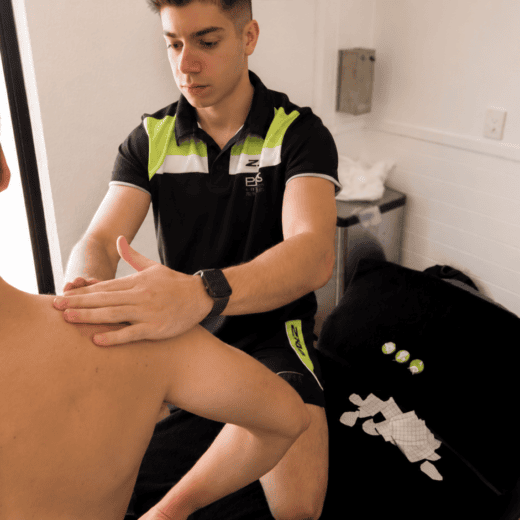
AC joint injuries can affect shoulder strength, movement and your ability to return to sport. Understanding the injury and following the right rehabilitation plan...
Read more
Historically, pregnancy was viewed as a time for rest — but modern science says otherwise. Over the last five years, multiple large reviews and clinical guidelines (including from the British Journal of Sports Medicine, 2023, and the Australian Department of Health, 2023) have confirmed that:
Women who exercise regularly during pregnancy have lower rates of gestational diabetes, pre-eclampsia, excessive weight gain, and postpartum depression.
Exercise has no increase in adverse outcomes (such as miscarriage, preterm birth, or low birthweight) in healthy / uncomplicated pregnancies.
The recommendation for most people is 150–300 minutes of moderate-intensity exercise per week, including both aerobic and strength-based activity.
In short: moving your body in pregnancy is not only safe — it’s protective.
Pregnancy brings major physiological, musculoskeletal, and emotional changes to the female body. Exercise helps the body adapt and thrive through each of these transitions!
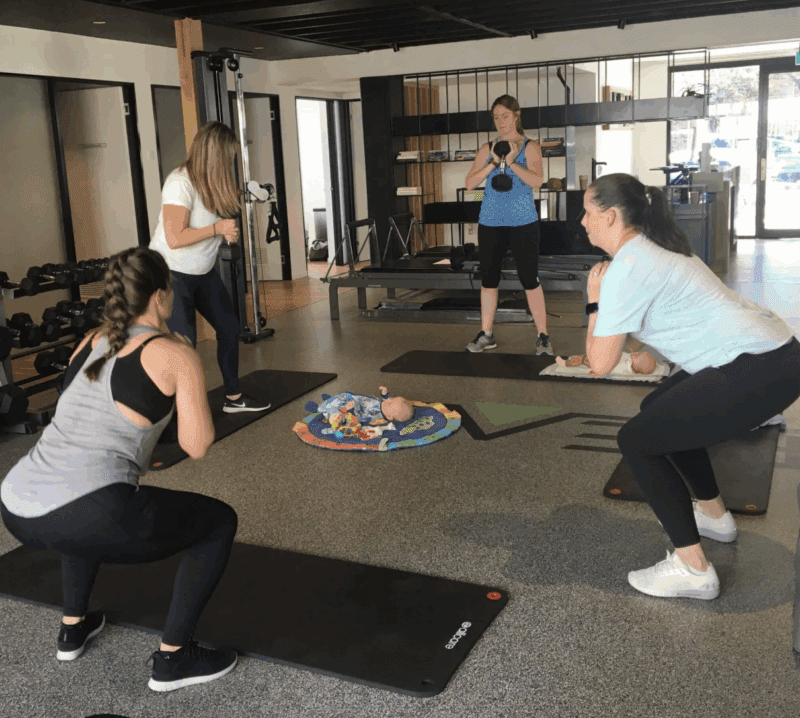
While every pregnancy is different and we encourage you to seek guidance from your physiotherapist first, the following are generally appropriate guidelines for low-risk pregnancies:
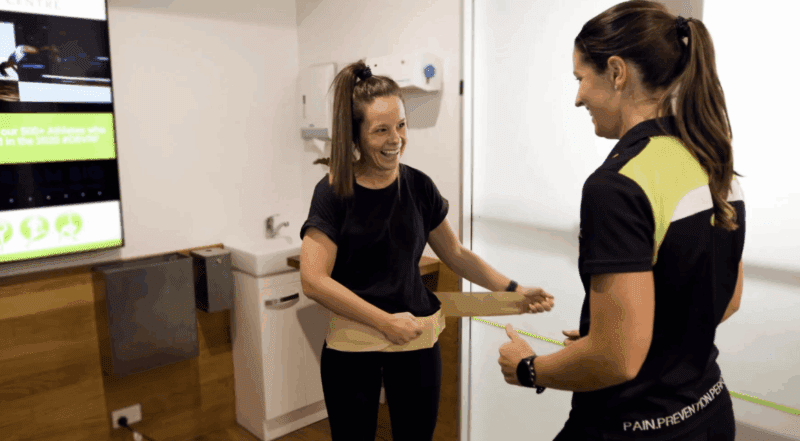
Our PEAK physiotherapists with a special interest in women’s health can play a valuable role in helping women exercise safely and confidently throughout pregnancy. At PEAK Sports & Spine Centre, we believe every pregnancy deserves an individualised plan — not a one-size-fits-all approach!

Before beginning or modifying exercise, your physiotherapist will aim to gain a thorough understanding of your medical history, previous pregnancies, musculoskeletal function, and goals. This ensures your exercise plan aligns with any obstetric or musculoskeletal considerations, such as pelvic pain, previous injuries, or abdominal separation.

Your physiotherapist designs an exercise plan that changes with your trimesters — safely adjusting intensity, volume, and positioning as your body evolves. This may include: Strengthening the core and glutes to reduce low back or pelvic pain, teaching safe abdominal and breathing techniques to support pressure management, and prescribing safe aerobic options to maintain fitness and energy. You may even consider joining one of our exercise-led prevention classes to help guide you and keep you accountable.. These are small, social group classes, where you can safely complete and individualised strength program under the supervision of a qualified physio!

Common pregnancy discomforts like pelvic girdle pain, rib pain, or sciatica can often be managed through tailored exercise, taping, support belts, or gentle manual therapy. Your physio can identify aggravating movements and modify your plan accordingly.

Your physiotherapist may also be able to provide education on physical preparation for birthing positions, breathing strategies, and early postpartum recovery exercises to facilitate a smoother transition back to after delivery. At PEAK, our goal is to empower you with the knowledge, confidence, and physical strength to move well throughout pregnancy — and beyond.
At PEAK, our goal is to empower you with the knowledge, confidence, and physical strength to move well throughout pregnancy — and beyond.
Are less likely to develop gestational diabetes or hypertensive disorders.
Experience reduced musculoskeletal pain.
Report better sleep and mood regulation.
Recover faster postpartum, returning to daily activities sooner.
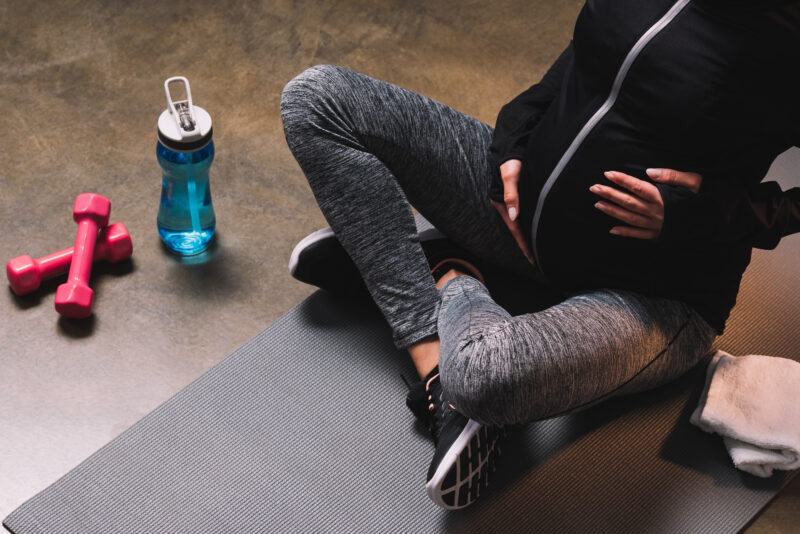
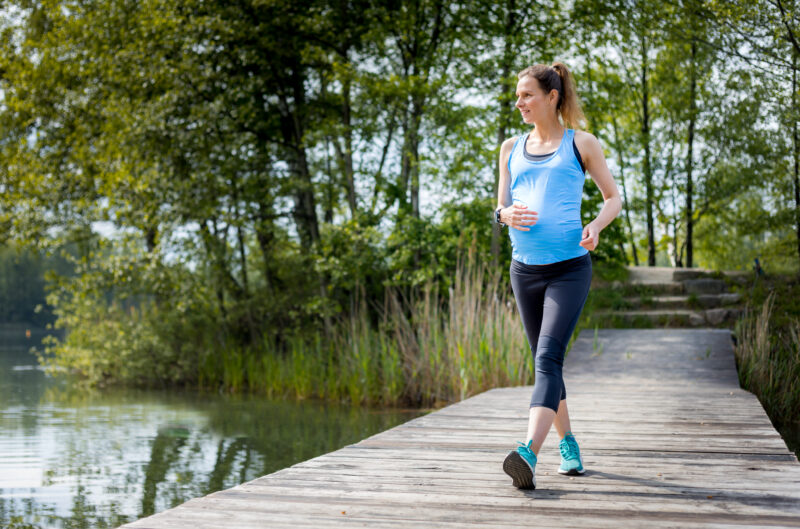
Even small amounts of movement — a walk, light resistance session, or prenatal yoga — contribute to these benefits. The key is consistency and safe progression, not perfection. Pregnancy is not a time to stop moving — it’s a time to move smarter. Exercise is one of the most powerful tools to support a healthy pregnancy, delivery, and recovery.
At PEAK Sports & Spine Centre, our physiotherapists can work closely with your healthcare team to design safe, evidence-based exercise programs tailored to your body and goals. Whether you’re a recreational mover or an athlete wanting to stay strong through pregnancy, our role is to guide you every step of the way, so book an appointment with us today!
Your body is changing — but it’s also incredibly capable. With the right education, monitoring, and support, you can stay active, confident, and connected to your health throughout this chapter.
Sports Physiotherapy AC joint injuries can affect shoulder strength, movement and your ability to return to sport. Understanding the injury and following the right rehabilitation plan...
Read more Shoulder Dislocation
 Shoulder dislocation rehabilitation is about more than getting stronger. Learn how progressive physiotherapy can rebuild movement, control, confidence and the capacity to return to...
Read more Sports Physiotherapy
 Campbell Antonio brings an elite-sport approach to physiotherapy, combining rehabilitation, performance and clinical reasoning to help people return to what they love.
Read more Strength & Conditioning
 Helping young female athletes build strength, confidence and movement skills while supporting performance and long-term injury prevention.
Read more
Christina Livaditakis shares her journey to 4th in the world at the 2026 CrossFit Games, reflecting on teamwork, resilience and what she learned along...
Read more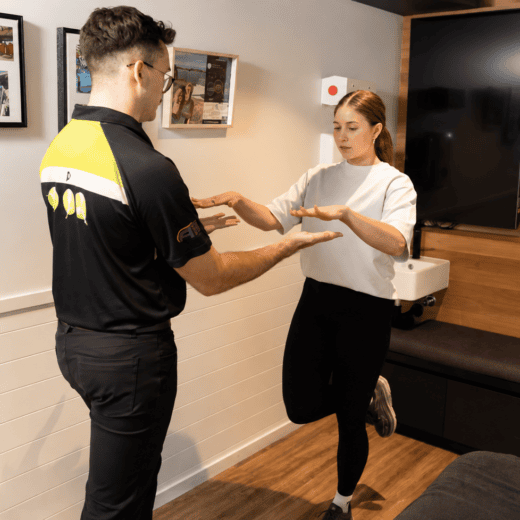 Return to Sport
 Concussion physio Brisbane athletes can trust starts with understanding what happens after a knock. Learn why the 21-day rule matters, why dark-room rest is...
Read more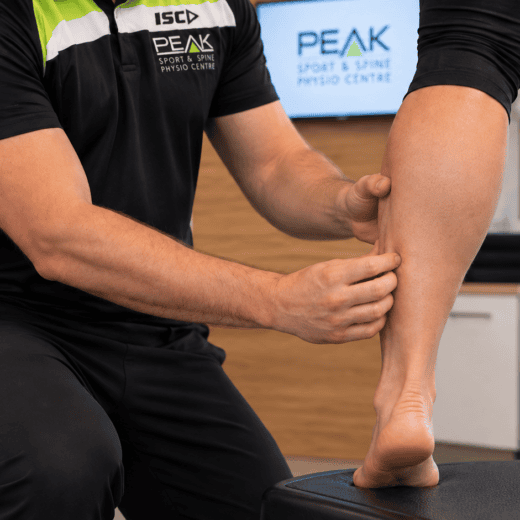 sports injuries
 Calf strains are common in runners and field athletes, especially after 30. Learn why they keep coming back and how the right rehabilitation can...
Read more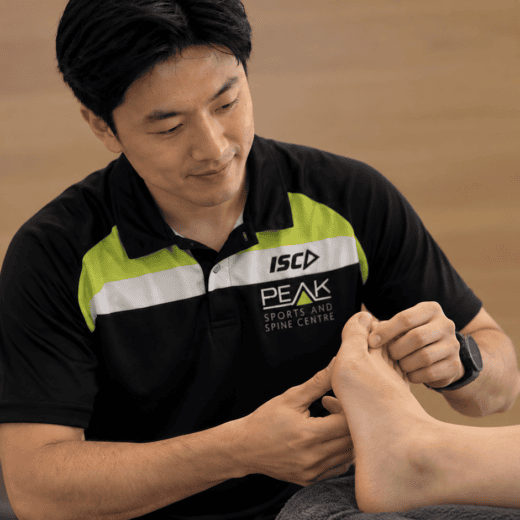 Bunions
 Bunions are common, but surgery isn’t always the answer. Learn what causes them, what can actually help, and when it’s worth seeing a podiatrist.
Read more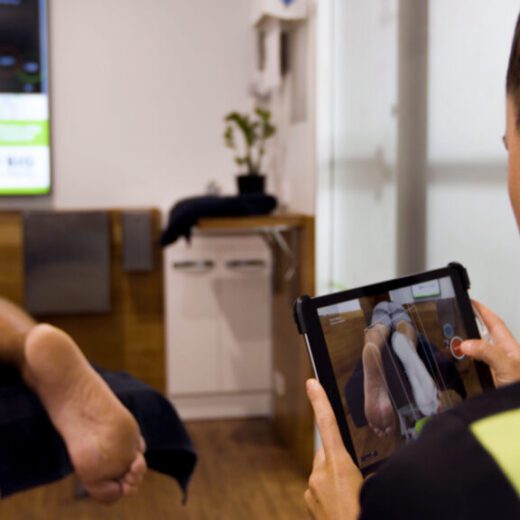 Running Injuries Brisbane
 Achilles tendinopathy can be frustrating for runners, but rest alone isn’t always the answer. Learn how progressive loading, smart training and expert podiatry care...
Read more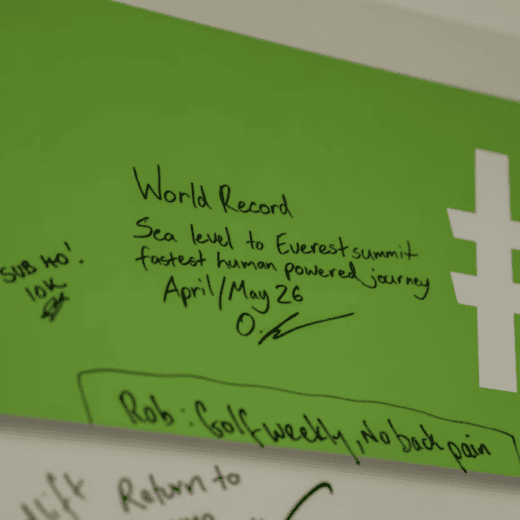 Rehabilitation
 Goal setting in rehabilitation can make recovery more focused and achievable. See how short- and long-term goals can support motivation, confidence and progress.
Read moreNot exactly what you're looking for?
View all articles




Can't find what you're after?
View all ServicesOr email the PEAK team at info@peakssc.com.au
To make a booking outside of business hours, please use our form by clicking here.
To make a booking outside of business hours, please use our form by clicking here.