Blog

Golf Physiotherapy:

Is Your Body Hurting Your Golf Game?

Improve your golf performance by building mobility, strength, and stability. Learn how golf physiotherapy can help you move better, swing more efficiently, and reduce injury risk.

Share this Article:

I want to help all golfers play better golf by becoming better athletes. Welcome to the first Peak Golf Athlete blog post where I am going to begin writing from a physiotherapist’s perspective on how to optimise your body to optimise your swing. It concerns me that amateur golfers are more intrigued by the equipment that tour pros are using and disinterested in their own physical health. Golfers would rather invest $500 on a shiney new driver instead of their own physical health and well being. I became a Titleist Performance Institute certified physiotherapist because I was once like any golfer – constantly searching for the magic quick fix to my golf swing.

Why Mobility Matters More Than Equipment

I was looking for that one swing cue, that one training drill, that one new piece of equipment to make a world of difference. It never came.

I was investing a lot of time and money into my golf game, but I wasn’t seeing any long term improvement. I realised I was neglecting the most important piece of equipment for any golfer – their body.

I was seeing a golf instructor who was asking me to make swing changes that my body wouldn’t physically allow me to do. It didn’t matter what cue he used, what training aid he gave me, I couldn’t physically get my body into the position he was asking of me. It wasn’t until that I received treatment and performed my own physiotherapy fitness & strength program that I started to see rapid improvements in my golf swing and I want to help pass this onto all golfers.

I believe the biggest misconception surrounding golf is that it is not an athletic sport. For example – we don’t hear tennis commentators discussing the details of Roger Federer’s racquet – instead we hear how agile, mobile, & powerful he is as an athlete. I believe in the future we will have a shift similar to this in the golfing world.

Lessons From Tiger Woods And Dustin Johnson

Today I will be focusing on the recent Genesis Open played out in America. Out of this tournament came two main talking points. Firstly, Dustin Johnson took the world number one ranking from our own Jason Day. This comes as no surprise in the golf community as he has not taken a backward step since his first Major win last June in the US open. Secondly, Tiger Woods once again withdrew from another tournament due to ongoing muscle spasms through his low back. There have now been numerous false starts on Tiger’s journey coming back to the golfing stage which should highlight the need for detailed spine rehabilitation and return to golf criteria.

Physical Qualities Every Golfer Needs

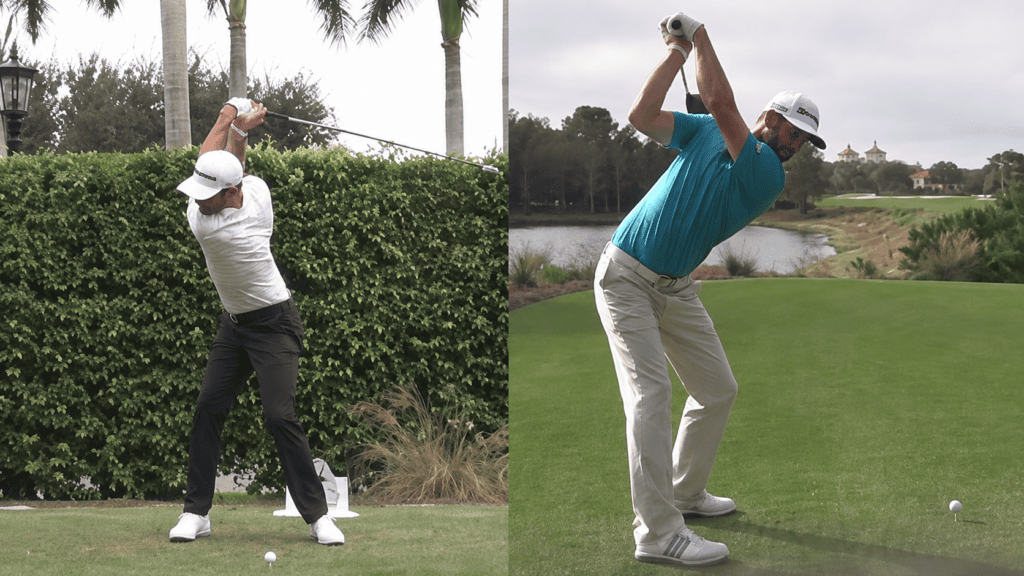
Tiger Woods and Dustin Johnson demonstrating their golf swings at the top of the backswing.

Currently both Tiger Woods & Dustin Johnson find themselves on opposite ends of the pain/prevention/performance spectrum. We know from Tiger Woods’ withdrawal from the Genesis open that he is in pain & has a history of surgeries on his low back. Let’s compare that to Dustin Johnson, current world number 1 smashing drives on average 287 metres. It’s only logical that both of these players are currently undergoing vastly different physiotherapy treatments & programs.

In the above photo, we can see the incredibly athletic position Dustin achieves at the top of his backswing which leads to his massive drives.

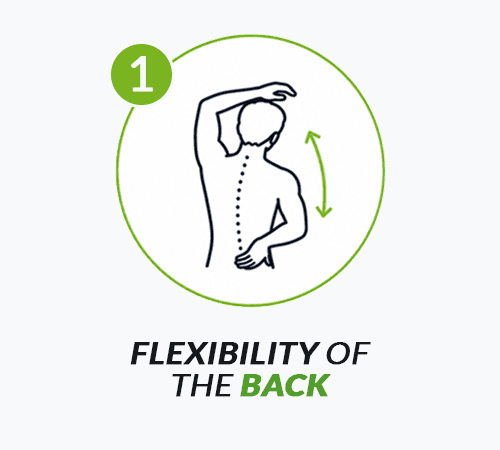
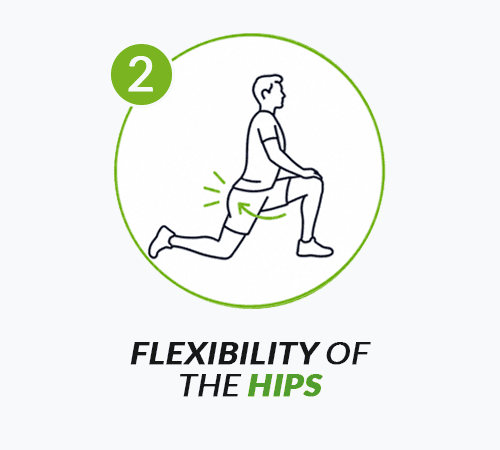
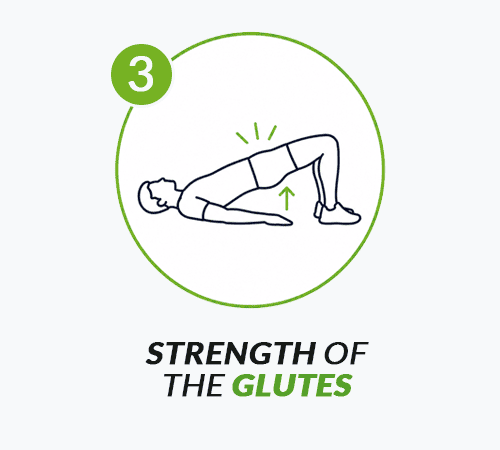
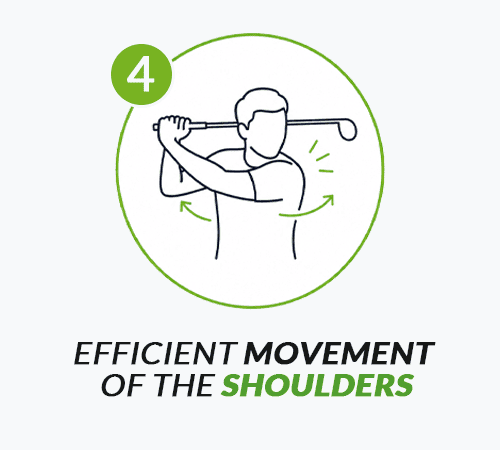
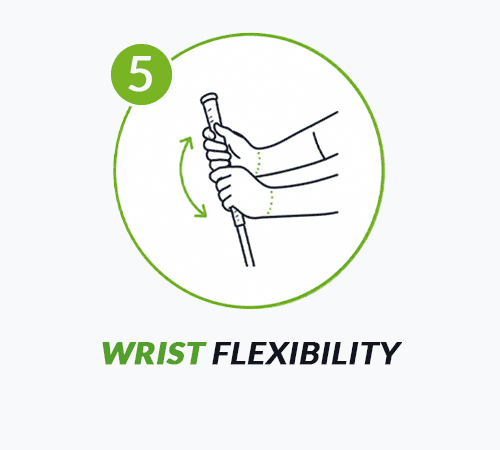
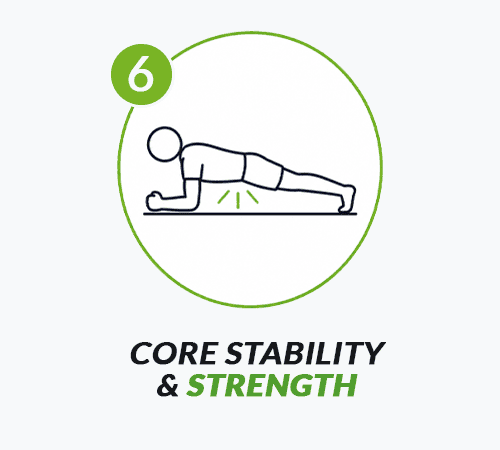
To achieve this, he needs a significant amount of mobility and stability throughout his body. He requires:

Why Injury Prevention Matters

Whereas Tiger Woods will be receiving hands on treatment to assist with pain reduction in order to facilitate his recovery. It was 20 years ago that he first took the world number 1 golf ranking. He is the one who changed the face of golf forever with his athleticism and power bringing a new component to the golf world. He highlighted the importance of being an athlete, as well as a golfer.

Improve Your Golf Game With Golf Physiotherapy

Low back pain is the most common injury complaint of all golfers, and Tiger woods has had his fair share. I have seen a lot in the media about his swing mechanics, what equipment he has swapped but I want to share the physical changes that have occurred as a consequence of his injuries in future blog posts.

Along with Tiger Woods and his back pain, I intend to delve into all things relating to golf and physiotherapy. Dustin Johnson in an interview reported that the average golfer needs to emphasise two things to hit the ball further – making solid centre contact with the club and being more flexible. I will be covering everything from head to toe, how you can get more flexible in your neck all the way down to creating strong stable feet to leave no stone unturned to improve your golf swing.

Ready To Improve Your Golf Swing?

If you wish to improve your golf game by having a golf specific physiotherapy evaluation, video analysis that leads to an individualised golf exercise program, contact us.

Move Better. Swing Better. Book Today!

Table of Contents

Read the Latest Articles

Knee Osteoarthritis Treatment

The greater trochanter is the bony bump you can feel on the outside of your hip. A group of tendons, mainly from the gluteus medius and gluteus minimus muscles, attach here and work hard every time you walk, climb stairs, or stand on one leg. Sitting between the tendons and the bone is a small fluid-filled sac called a bursa, whose job is to reduce friction.

Read More

Why the Outside of Your Knee Hurts When You Run

Sharp outer knee pain bringing your run to a halt? Learn what ITB syndrome really is, why foam rolling alone won't fix it, and how PEAK's Brisbane physios get you running pain-free.

Read More

Hamstring Strain Brisbane Treatment & Rehabilitation

Pulled up mid-sprint with a sharp grab at the back of your thigh? Learn how to properly rehabilitate a hamstring strain and prevent repeat injuries with PEAK's Brisbane physios.

Read More

Greater Trochanteric Pain Syndrome

Outer hip pain waking you up or making stairs difficult? Learn why greater trochanteric pain syndrome (GTPS) is rarely just "bursitis" and how PEAK's Brisbane physios treat it.

Read More