 physiotherapy
 Text Neck: Causes, Symptoms & How to Fix It
Hours on your phone or laptop can lead to text neck. Learn the symptoms, causes and how PEAK’s Brisbane team can help relieve neck...
Read more
One of the most significant ways diabetes affects the feet is through poor blood circulation. High blood sugar levels can damage the blood vessels and reduce blood flow, particularly to the extremities. This reduced circulation means that if you suffer from a cut or sore on your foot, it may heal more slowly or not at all, increasing the risk of infection.
Diabetic neuropathy is another common complication of diabetes. High glucose levels can damage the nerves throughout the body, leading to a loss of sensation in the feet. This means that individuals may not feel cuts, blisters, or sores, which can lead to neglect and exacerbate the injury. Additionally, changes in sensation can also cause tingling, burning, or even pain in the feet, making it uncomfortable to walk or stand for long periods.
Diabetes can lead to muscle weakness and changes in the structure of the foot. This can result in deformities such as bunions, hammertoes, or flat feet, which may cause shoes to fit improperly or lead to additional pressure points. Improper footwear can lead to ulcers and other painful conditions that may require medical intervention.
The combination of poor circulation, loss of sensation, and foot deformities raises the risk of infections. Even small wounds can develop into serious infections, such as cellulitis or gangrene, which may ultimately lead to more severe complications, including amputation in extreme cases.
Taking proactive steps to maintain foot health is essential for anyone living with diabetes. Here are several effective strategies:
Regular appointments with a healthcare provider can help catch any potential issues early. A podiatrist specializing in diabetic foot care can assess for signs of neuropathy, circulation issues, or infections.
Make it a habit to inspect your feet daily. Look for cuts, blisters, redness, or swelling, and pay special attention to hard-to-see areas between the toes and the soles of the feet. If you notice anything unusual, consult a healthcare professional.
Choosing the right shoes is crucial for individuals with diabetes. Look for well-fitted shoes that provide ample support without being too tight. Avoid walking barefoot, even at home, to prevent injuries.
Keeping your blood sugar levels within the target range is vital in managing diabetes and reducing the risk of complications. A balanced diet, regular physical activity, and following your prescribed medication regimen can all help maintain optimal blood sugar control.
Dry skin can lead to cracks and sores, so moisturizing your feet is essential. Use a gentle lotion but avoid putting cream between your toes, as excess moisture can cause fungal infections.
If you smoke, quitting is one of the best ways to improve circulation and overall health. Smoking constricts blood vessels and can further impair blood flow to the feet.

Understanding how diabetes affects the feet is an essential part of managing this chronic condition. By being proactive and attentive to foot health, individuals with diabetes can significantly reduce their risk of complications. Regular check-ups, daily inspections, and lifestyle changes can make a world of difference, allowing you to put your best foot forward—literally! Take charge of your health and ensure that your feet remain healthy and functional for years to come.
If you’re experiencing any pain, delayed healing, or unusual sensations in your feet, and you have diabetes, this could be a sign that some changes are occurring. If you are needing any assistance in addressing these factors, our team of podiatrists would love to assist. Book an appointment HERE or give us a call on 07 3399 3318.
physiotherapy Hours on your phone or laptop can lead to text neck. Learn the symptoms, causes and how PEAK’s Brisbane team can help relieve neck...
Read more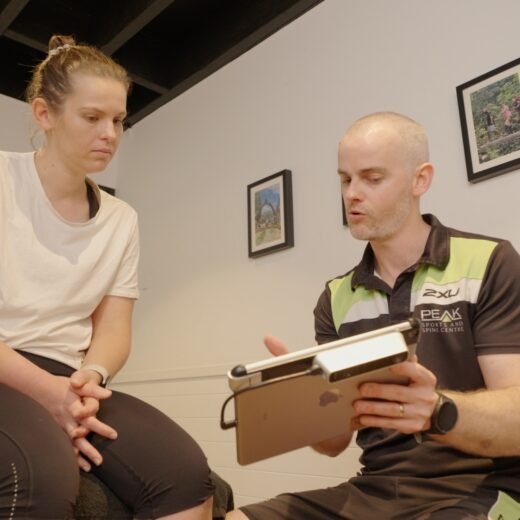 WorkCover Physiotherapy
 Injured at work? Learn how WorkCover physiotherapy and chiropractic at PEAK can help you recover, manage your claim, and return to work with confidence.
Read more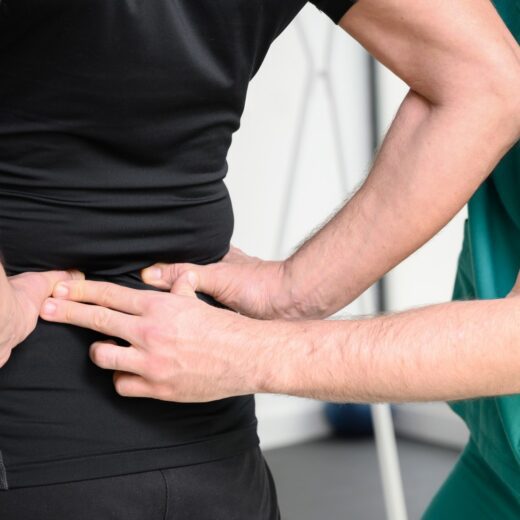 physio or chiro for back pain
 Lower back pain is one of the most universal health complaints there is. Globally, hundreds of millions of people are living with it at...
Read more DVA chiropractor Brisbane
 Hold a DVA Gold or White Card? Learn how to access no-gap physiotherapy, chiropractic and podiatry care at PEAK Sports & Spine Centre in...
Read more how to prevent running injuries
 Running injuries are common, but many can be prevented. Learn why they happen, how to reduce your risk, and how PEAK helps Brisbane runners...
Read more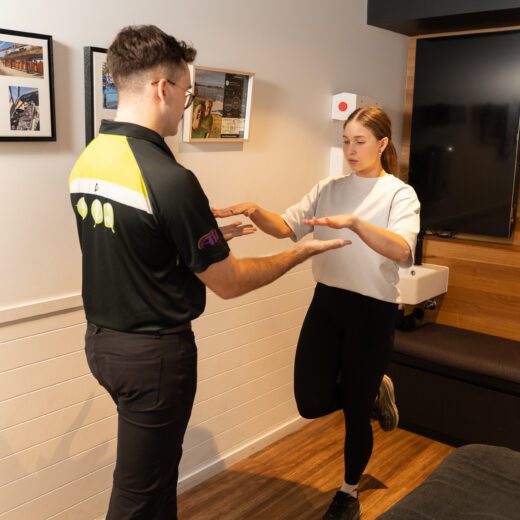 Vestibular Physiotherapy
 Dizziness and vertigo can make even simple daily activities feel overwhelming. From BPPV and vestibular migraines to post-concussion dizziness, understanding the cause is the...
Read more
Build Career Confidence: If you are training for the Gold Coast Marathon right now, or you are the kind of person who has a...
Read more Rehabilitation Journey
 Stepping into an Athlete’s Shoes: Keagan’s ACL Journey The injury knowledge that you hold as a PEAK coach, unfortunately, does not keep you immune to sustaining...
Read more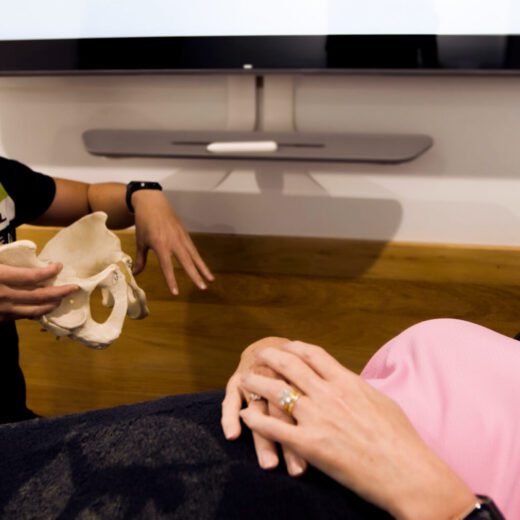 physiotherapy
 For many women, Menopause can feel like a sudden shift in how their body moves, feels, and recovers. Menopause Physiotherapy can help women manage...
Read more LCL Injury
 Knowing what to do after a knee injury can make a significant difference to recovery. Early assessment and diagnosis are essential, and physiotherapists play...
Read moreNot exactly what you're looking for?
View all articles












Can't find what you're after?
View all ServicesOr email the PEAK team at info@peakssc.com.au
To make a booking outside of business hours, please use our form by clicking here.
To make a booking outside of business hours, please use our form by clicking here.