Join the Sunshine Coast Marathon
Join the Sunshine Coast Marathon with PEAK Sports and Spine Centre: Run with a Winning Team and Enjoy Exclusive Perks!Are you ready to challenge...
Read more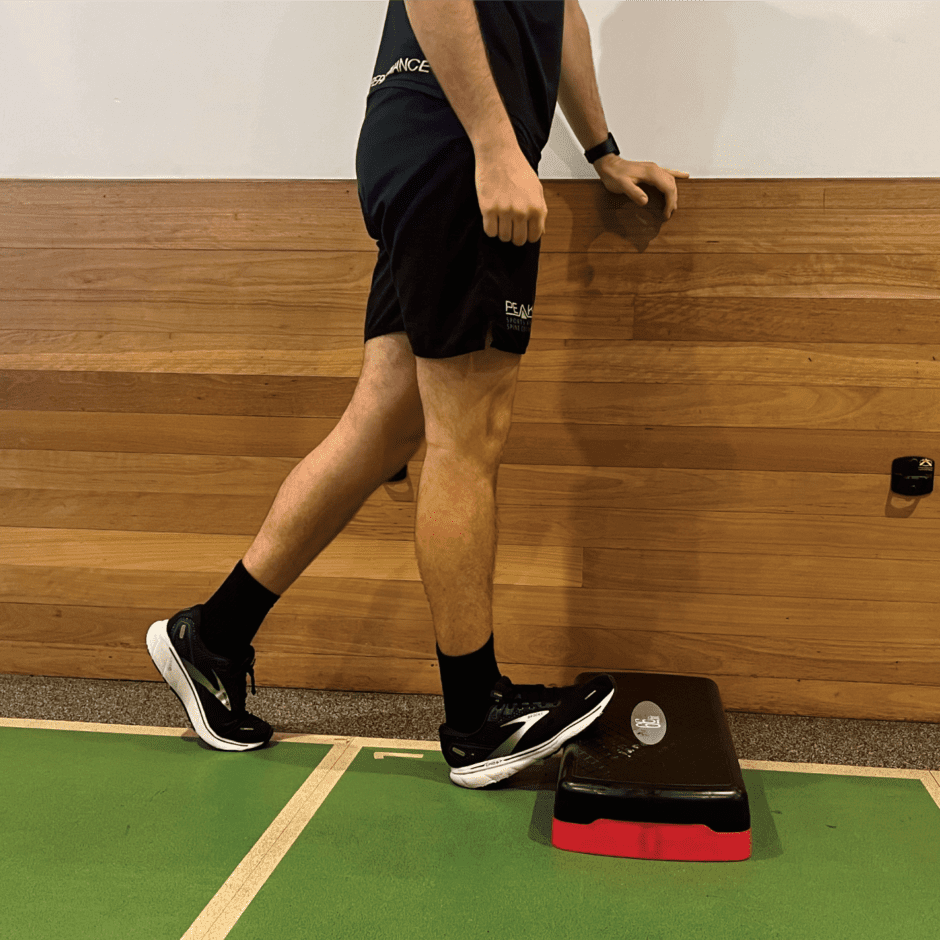
Ankle dorsiflexion plays a crucial role in our daily movements. From walking and climbing stairs to engaging in more complex activities like running or squatting, adequate ankle flexibility is fundamental. Insufficient dorsiflexion can lead to compensatory movements that may strain other joints and muscles, impacting overall movement efficiency.
Ankle injuries, such as sprains or fractures, often impact ankle dorsiflexion. When the ankle undergoes trauma, whether from a sudden twist or impact, the structures supporting dorsiflexion—such as ligaments, tendons, and muscles—can be affected. Swelling, pain, and reduced mobility are common consequences.
Injuries often lead to a protective response from the body, resulting in decreased ankle dorsiflexion to prevent further damage. This reduced range of motion can persist even after the injury has healed. Scar tissue formation and muscle weakness due to disuse can further limit the ability to achieve full dorsiflexion.
Adequate ankle dorsiflexion is essential for a proper squat technique. Insufficient flexibility can limit the depth of your squat, potentially causing compensation from other joints like the knees or lower back. By improving ankle dorsiflexion, you enhance your squat mechanics, allowing for better form and reducing the risk of injury.
Exercise for improving your squat mechanics:
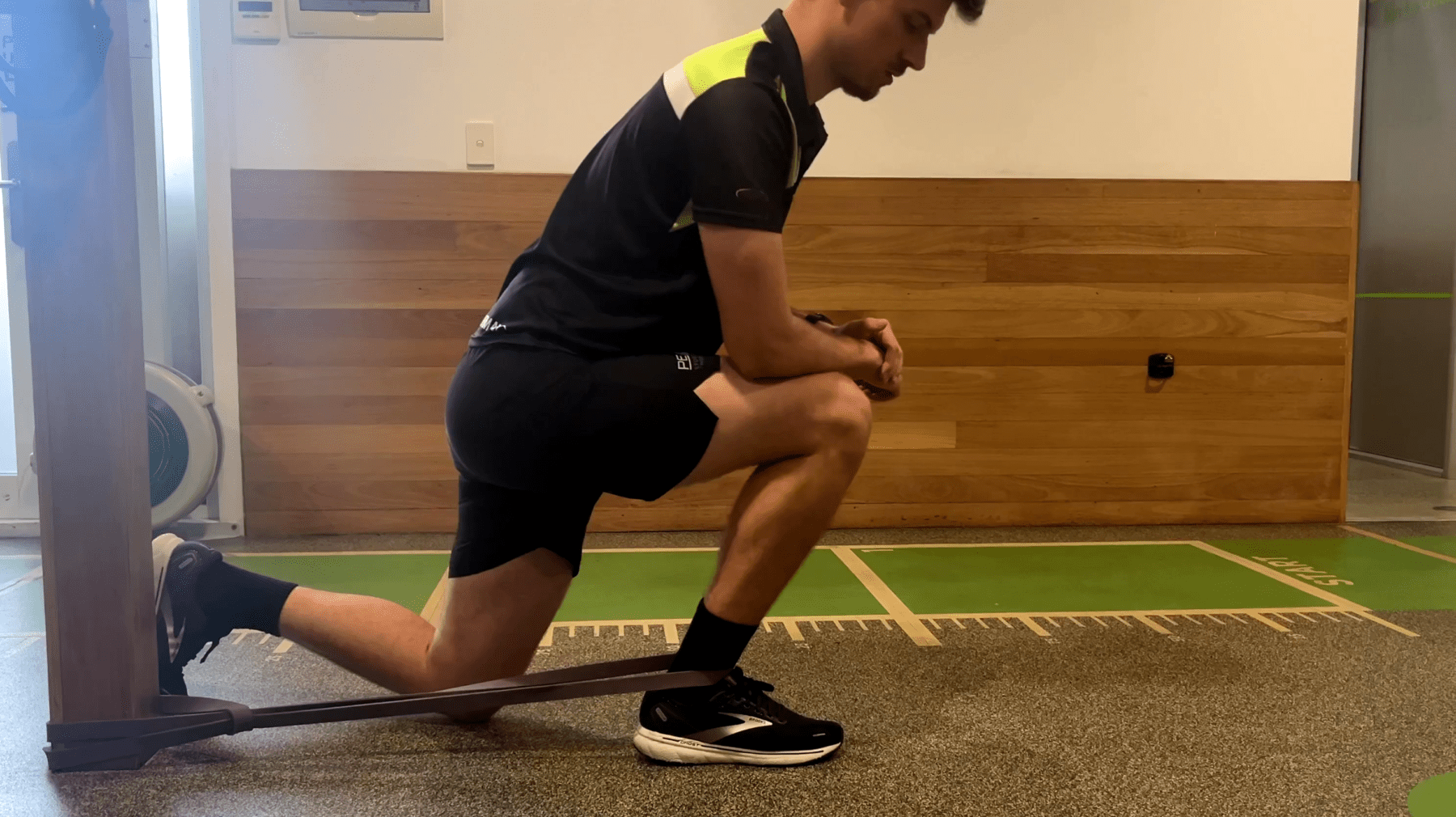
Anchor a resistance band at ankle height and loop it around your ankle. Step back gently to create a light stretch on the ankle joint. Hold for 1-2 minutes, ensuring a comfortable stretch. Remember to breathe and avoid overstraining, especially if you have ankle concerns.
Running relies significantly on ankle dorsiflexion. A lack of flexibility here can alter your running gait, leading to compensatory movements that might contribute to issues such as shin splints or Achilles tendon problems. Improved ankle flexibility helps in achieving a more natural and efficient running stride, enhancing performance and reducing injury risks.
Exercise for improving your running ankle strength:
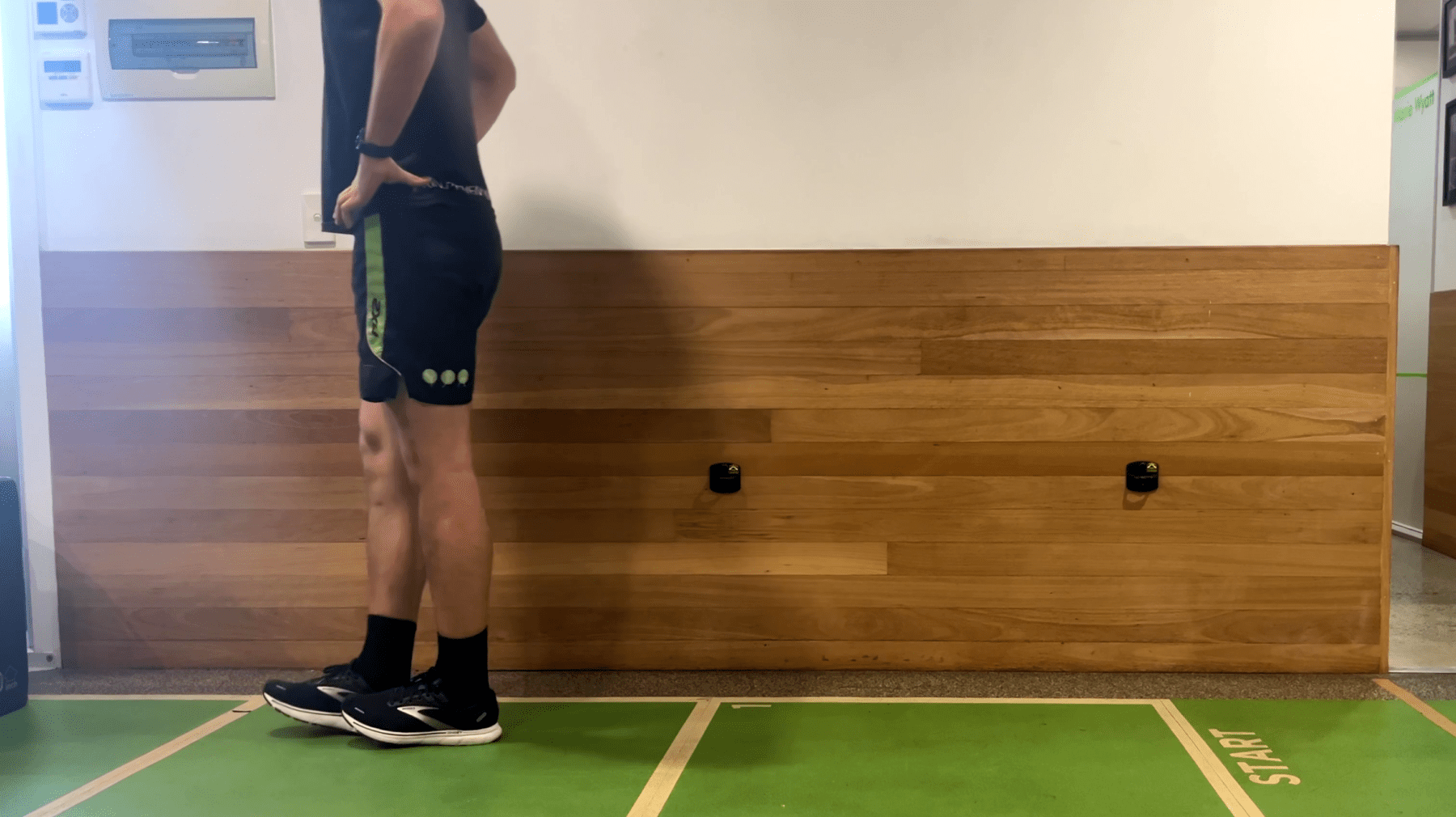
Stand tall and lift your toes, walking forward on your heels. Keep the movement controlled, engaging your calf muscles. This exercise strengthens your calves and improves ankle flexibility.
Maintaining ankle flexibility and strength is not only essential during recovery but also for long-term joint health. Regularly incorporating ankle flexibility exercises into your routine can prevent stiffness and reduce the likelihood of future injuries. Consistent strength and range of motion maintenance contribute to overall joint longevity.
Here are two exercises to start you on your journey to improving your ankle mobility and strength:
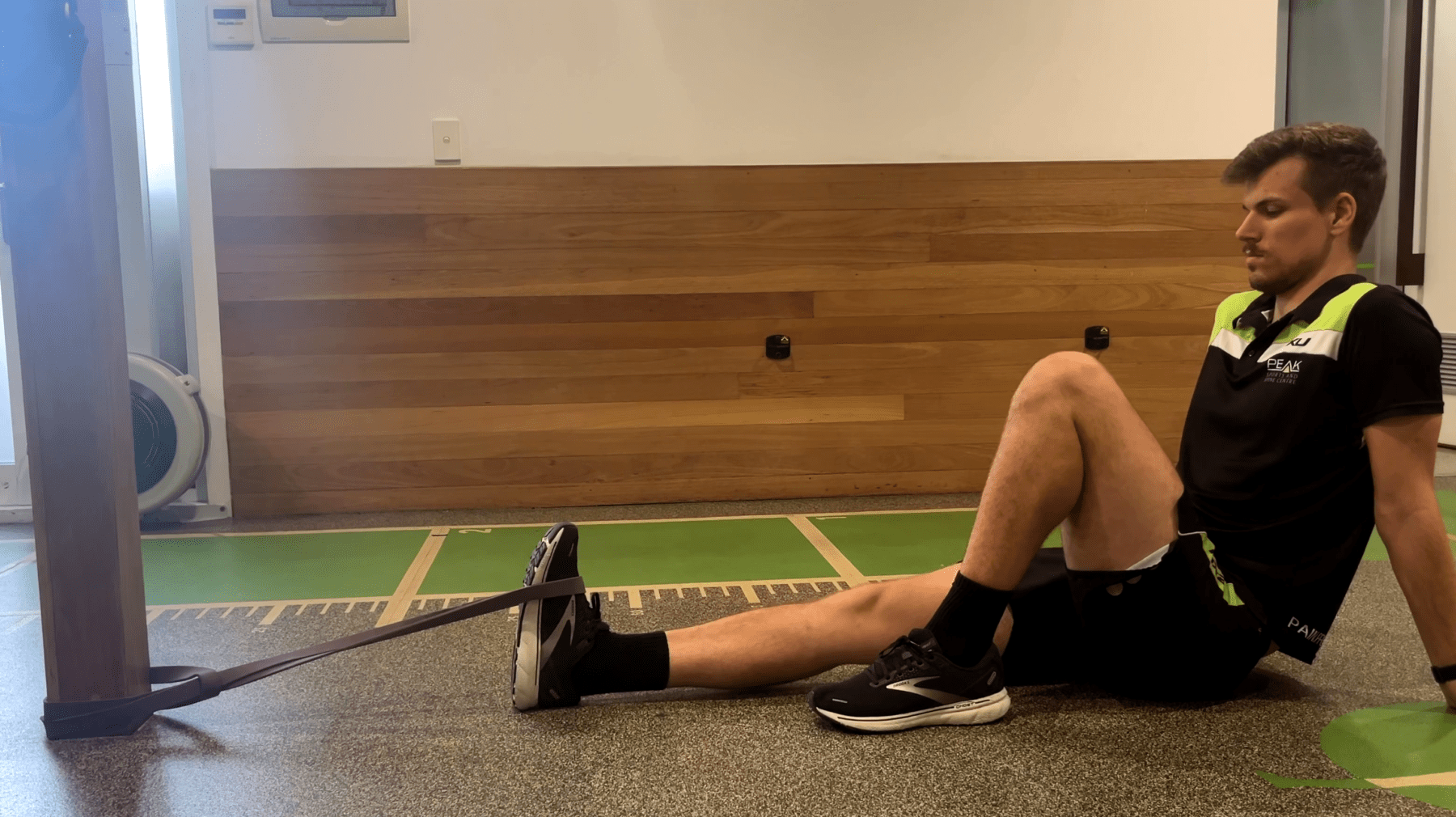
Sit on the floor with your legs extended. Loop a resistance band around the ball of your foot and hold the ends in your hands. Gently pull the band towards you, flexing your ankle upwards. Hold for a few seconds and release slowly.
Understanding how crucial ankle dorsiflexion is for daily movement and recovery emphasises its role in overall joint health. It’s not just about recovery; it’s a long-term commitment to mobility. Podiatrists and physiotherapists work together to assist in recovery, offer strategies for maintaining ankle flexibility and strength, and ensure resilient ankles for life’s challenges. With their guidance and your dedication to ankle exercises, you’ll confidently stride through life. They’re your partners in achieving better ankle mobility, enhancing your quality of life, and ensuring lasting ankle health.
Join the Sunshine Coast Marathon with PEAK Sports and Spine Centre: Run with a Winning Team and Enjoy Exclusive Perks!Are you ready to challenge...
Read more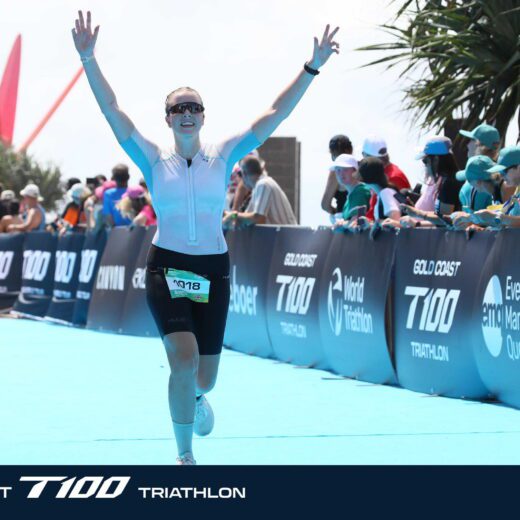
At PEAK Sport and Spine, we’re lucky to be surrounded by people who don’t just talk about resilience, discipline, and performance — they live...
Read more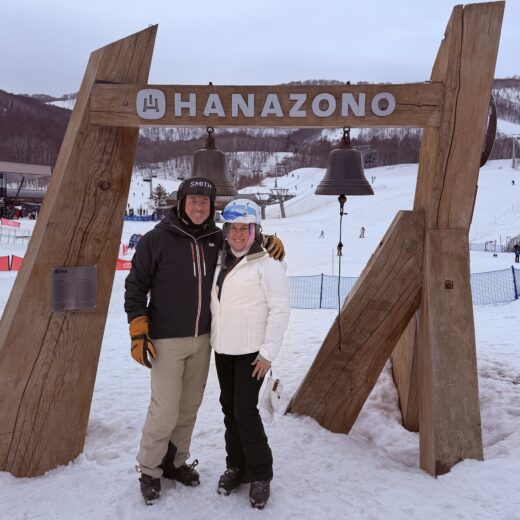
At PEAK, we’re obsessed with helping you achieve experiences not felt possible —and Craig’s story is exactly what that looks like in real life. Craig...
Read more
Bone stress injuries (BSIs) are a common issue, particularly in runners and active individuals. Despite often being associated with the term “stress fracture,” these...
Read more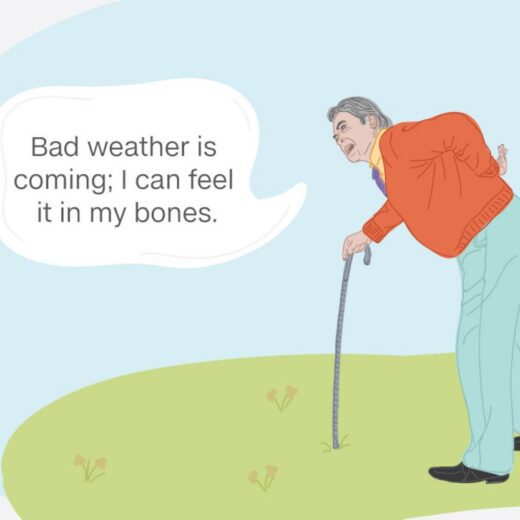
At PEAK Sports & Spine Centre, this is one of the most common things we hear: “My knee always flares up when it gets cold.” “I...
Read more
For combat athletes, toughness is often worn like a badge of honour. Showing up to training sore, pushing through fatigue, and grinding through hard...
Read more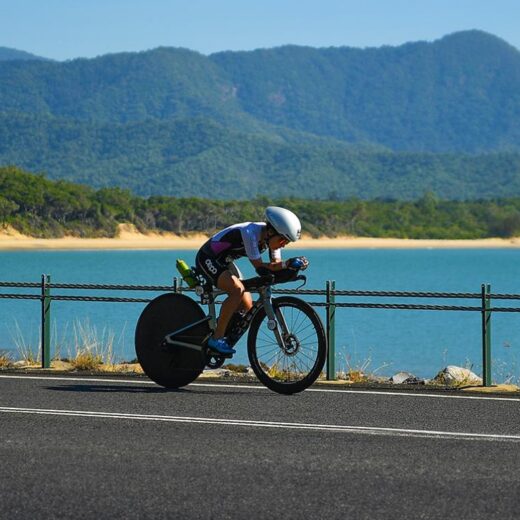
In October last year, Tess got the news that every endurance athlete dreads to hear: a bone stress injury to her femur. Not a...
Read more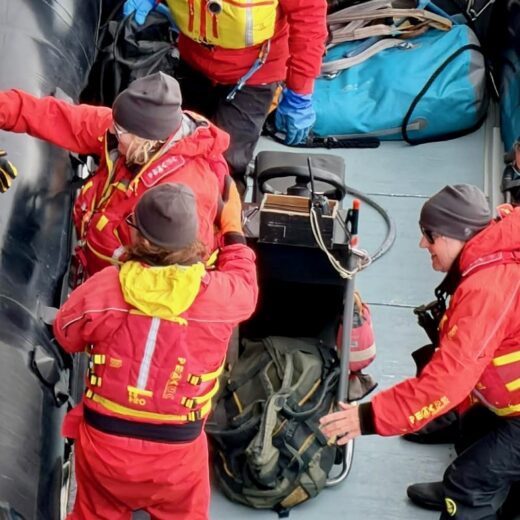
At PEAK Sports and Spine Centre, we often encourage our athletes to Dream Big. For some people that means returning to sport after injury....
Read more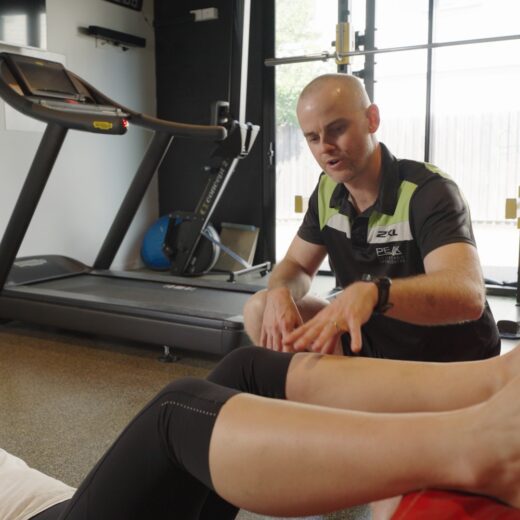
Tendon pain is one of the most misunderstood injuries. It rarely behaves like a typical “strain,” it doesn’t always swell, and complete rest often...
Read more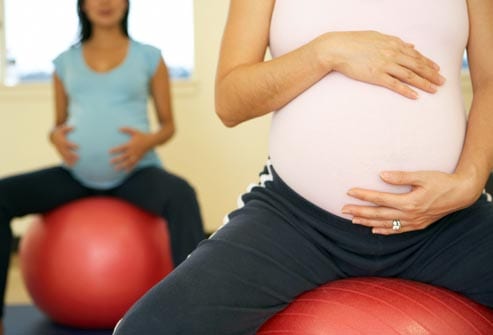
Rectus diastasis can be a common concern for mothers post birth particularly as to whether it will always be present and how it may...
Read moreNot exactly what you're looking for?
View all articles













Can't find what you're after?
View all ServicesOr email the PEAK team at info@peakssc.com.au
To make a booking outside of business hours, please use our form by clicking here.
To make a booking outside of business hours, please use our form by clicking here.