Shin Splints or Stress Fracture? How to Tell the Difference
Shin splints or a stress fracture? Understand the key differences, warning signs and how physiotherapy, podiatry and running load management can support your recovery.
Read More

Blog
FOOTWEAR TIPS
Shoe-buying mistakes can affect your comfort and confidence. From finding the right fit to choosing shoes for your activity, learn which footwear mistakes to avoid and how to make better choices for your feet.
Share this Article:
Whether you’re training for your first Fun Run, chasing a new PB, or simply looking for comfortable shoes to wear every day; choosing the right footwear can make a real difference to your comfort and confidence.
With so many brands, styles & technologies on the market, it’s easy to feel overwhelmed. While there’s no single “perfect” shoe for everyone, there are a few common mistakes we see that can contribute to discomfort or injury.
Just because everyone’s wearing them, doesn’t mean they’re right for you.
Your training partner’s favourite shoe, the latest release or the model plastered all over your social feed might look the part – but that doesn’t mean it’s the best fit for your feet.
Forget the hype. Focus on the fit. Your feet, biomechanics, training demands and comfort matter far more than trends, celebrity endorsements or clever marketing.
The best shoe isn’t necessarily the most popular one. It’s the one that works for you.
We’ve all done it!
Whether it’s a pair of runners in your favourite colour or a pair of work shoes that look great, appearance shouldn’t be the deciding factor.
A good running shoe should feel comfortable from the moment you try it on. While there may be a short period of adjustment, shoes shouldn’t need to be “broken in” to become comfortable.
Running shoes are designed differently from walking shoes, hiking boots or court shoes.
Choosing footwear that’s appropriate for your activity can improve comfort and may help to reduce unnecessary stress on your feet and lower limbs.
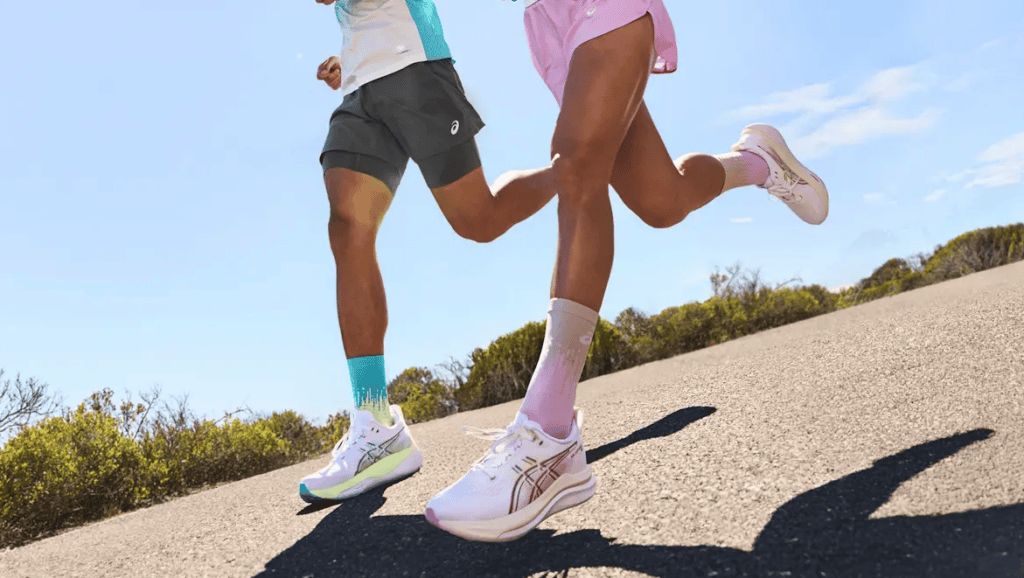
Even if the upper still looks clean & pristine, the cushioning & support inside the shoe gradually wears down over time.
As a general guide, running shoes often last around 500 – 800 kilometres, although this varies depending on the shoe, the surfaces you train on and your individual running style.
If you’re noticing increased aches & pains, or your shoes feel less supportive or comfortable than they once did, it may be time for a replacement.
It’s a common belief that everyone needs the most supportive or motion-control shoe available.
In reality, the “best” shoe depends on the individual. Some people benefit from more support, while others are more comfortable in a neutral shoe. The right choice depends on factors such as your activity, injury history, comfort and personal preference.
Our feet can change over time, and sizing can vary between brands.
Many people continue buying the same size they’ve worn for years without checking the fit.
When trying on new shoes:
If you’re buying shoes for running, your feet may swell during exercise, so a little extra room can often improve comfort.
New shoes shouldn’t be expected to fix ongoing foot pain.
If you’ve tried different footwear but continue to experience pain, it may be worth seeking an assessment to identify what’s contributing to your symptoms.
Sometimes the solution isn’t changing shoes – it’s addressing strength, mobility, training load or other factors that are influencing how your feet move.
There isn’t one shoe that’s perfect for everyone.
The best footwear is the pair that fits well, feels comfortable, suits your activity and supports your individual needs.
If you’re unsure what type of shoe is right for you – or you’re experiencing ongoing foot or lower limb pain – our Podiatrists can help identify the factors contributing to your symptoms and provide personalised advice, so that you can move with confidence.
Expert Podiatry Advice to Help You Move Comfortably and Confidently.