Zoe Peacock: From Kaipara Flats to LSU 2.0
Zoe Peacock’s journey is all about grit, heart, and a love for high jump. Growing up in Kaipara Flats, she tried a bunch of...
Read moreA large number of high-performance athletes, particularly in rugby union, NRL and AFL sports, have been reported to suffer from post-concussion syndrome, which has been linked to CTE, (Chronic traumatic encephalopathy), in other words chronic brain inflammation. While the truth around these links is more complex than what is being reported, concussion is still a very serious injury that is poorly understood by large portions of the medical industry and the general public.

It is a traumatic injury to the brain that occurs through sharp changes in momentum of the head, which causes movement of the brain within the skull. This movement causes a shearing/stretching force to be put through different neurons of the brain. There is a cascade of events that occur after this traumatic event. Cells required to produce energy for the neurons are displaced, creating an energy deficiency of the neurons in the brain, at the same time that there is inflammation in the cells of the brain that requires energy to recover. This energy imbalance creates fatigue in the neurons in the brain, and suddenly, simple tasks such as memory, concentration, balance, coordination etc, become much more difficult for the brain to complete effectively.
This energy imbalance is not a simple issue and requires a gradual return to safe exercise in order to be properly processed. The corresponding increase in blood from cardiovascular exercise is a key factor in accelerating the restoration of normal energy levels to the affected neurons, allowing the brain to get back to its normal function. Improper rehabilitation of a concussion can lead to Post Concussion Syndrome. Here at PEAK we are lucky to have Callum MacDiarmid, an expert in addressing symptoms that arise from previous concussion injuries, such as vertigo, dizziness, nausea, and chronic headaches.
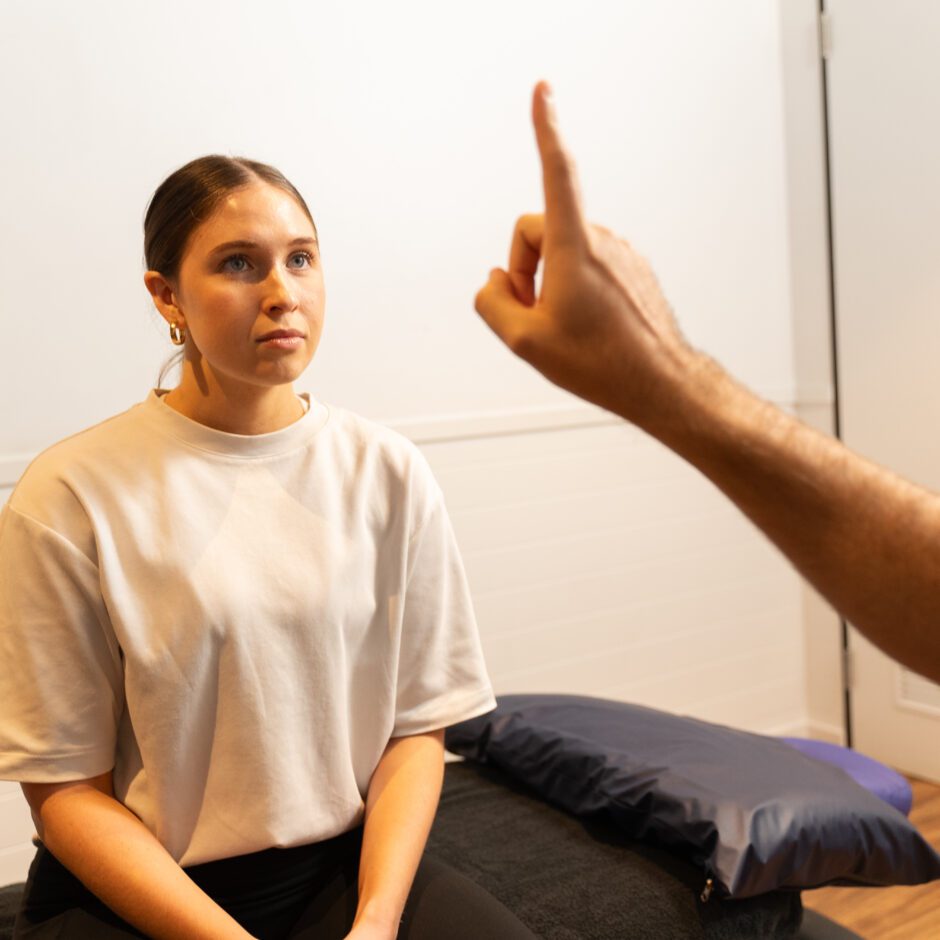
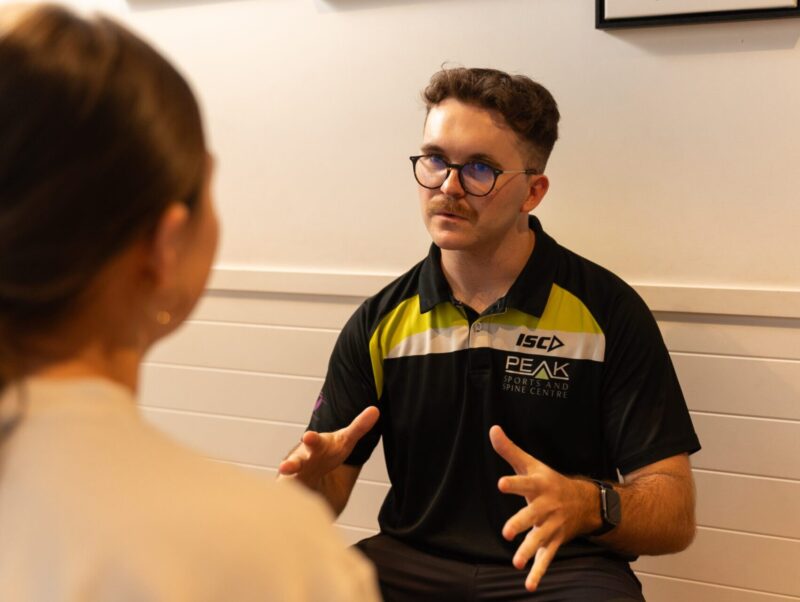
Every athlete has a different baseline level of neurological function prior to their concussion. Every brain is different, and some athletes have better functioning brain pathways than others. This means that when a health care professional goes to assess which part of the brain has suffered the injury, it can be a challenge to know whether the level of function that a certain pathway is showing after the concussion is good or bad relative to its pre-injury status. Having a baseline set of data on how a brain is functioning before the injury occurs allows practitioners to accurately compare the pre- and post-injury status of each individual pathway to determine which part of the brain has been affected.
The long-term effects of concussion often from a lack of rehabilitation to the affected neurological pathways leading to the presence of chronic symptoms. In other words, long term concussion symptoms are a result of injury to specific parts, rather than general inflammation of the whole brain. These pathways need to be rehabbed correctly in order to ensure full recovery and return to sport. Fortunately, at PEAK, we have experts in vestibular and visual rehabilitation who can put our athletes on the best path forward. The following contains details about our comprehensive vertigo rehabilitation options: Vertigo Treatment.
If you are concerned about the possibility of a concussion occurring to you or your children, a baseline test is a great way to ensure that if the injury does occur then the recovery and rehab strategies will be as precise as possible ensuring the best prognosis.

Zoe Peacock’s journey is all about grit, heart, and a love for high jump. Growing up in Kaipara Flats, she tried a bunch of...
Read more
As children return to school and sport ramps up, many parents focus on backpacks, uniforms and schedules — but foot health is often overlooked.
Read more
Tendon pain can feel like it comes out of nowhere. One day everything feels normal, and the next your elbow, knee, shoulder, or heel...
Read more
On Saturday 29th November, our PEAK tribe came together for our annual Christmas celebration and the much-anticipated Carrol Cooper Award ceremony. This year’s theme,...
Read more
Attention Deficit Hyperactivity Disorder (ADHD) is a common neurodivergent condition characterised by difficulties with inattention, impulsivity, and hyperactivity. There are several variations of this...
Read more
At PEAK, we don’t just motivate our athletes to take on an experience not felt possible – we challenge ourselves to do the same....
Read more
As a Titleist Performance Institute (TPI) Certified Physiotherapist, I’ve been fortunate over the years to have behind the scenes access by being a part...
Read more
When most people think about Olympic weightlifting, they picture explosive power — the bar flying from the floor to overhead in one smooth, powerful...
Read more
For most people with an uncomplicated pregnancy, physical activity is safe, highly beneficial, and one of the best things you can do for your...
Read more
At PEAK Sports and Spine Centre, we believe in more than just the standard rehabilitation, we believe in unlocking potential, embracing challenges, and achieving...
Read moreNot exactly what you're looking for?
View all articles


Can't find what you're after?
View all ServicesOr email the PEAK team at info@peakssc.com.au
To make a booking outside of business hours, please use our form by clicking here.