Believe
The real race begins in your mind. by Nathan Denham, PEAK Coach and Physiotherapist
Read more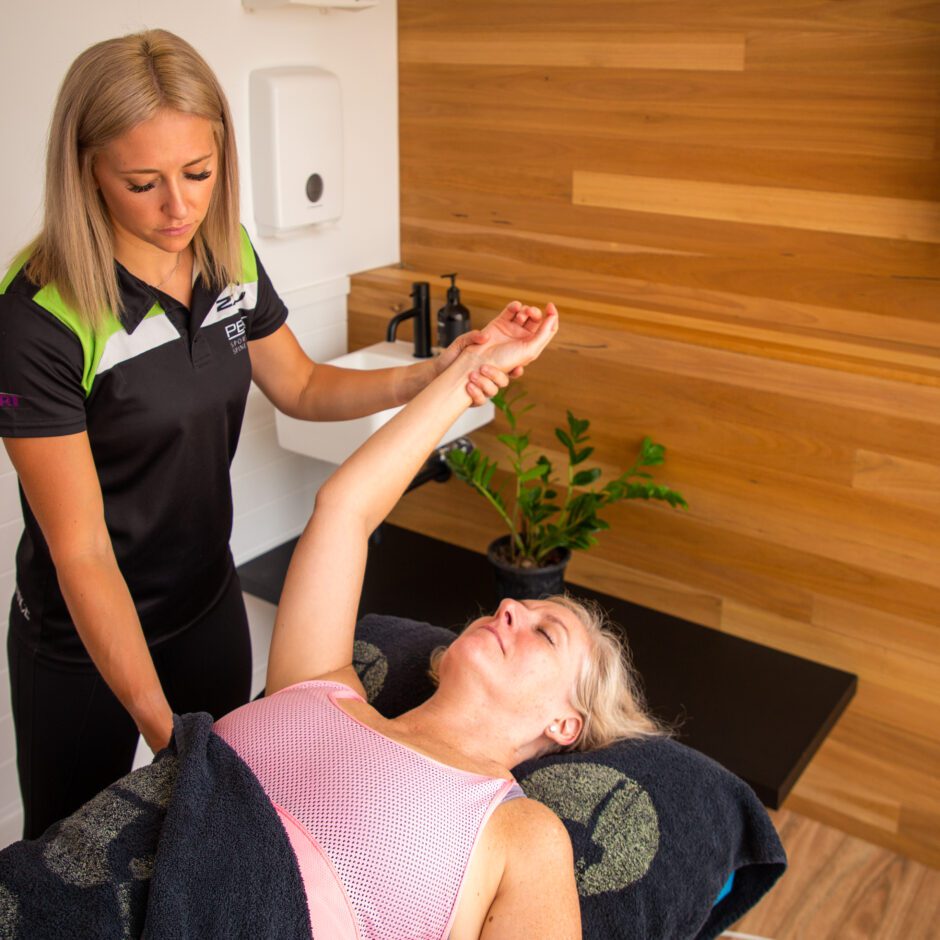
RCRSP is typically caused by factors such as repetitive overhead motions, poor posture, aging, or direct injury to the shoulder. Individuals with rotator cuff injuries may experience symptoms such as pain in the front or outer shoulder, weakness when lifting the arm, restricted movement, and discomfort while sleeping on the affected side. Without appropriate intervention, the condition may worsen over time, potentially leading to chronic pain and functional limitations.
Physiotherapy is a cornerstone of conservative treatment for rotator cuff injuries, offering a non-invasive approach to pain management, rehabilitation, and long-term prevention. Through a combination of manual therapy, strengthening exercises, and education, physiotherapy aims to restore shoulder function, reduce pain, and prevent recurrence.
In the acute phase of rotator cuff injuries, the primary focus is often on managing pain and reducing inflammation. Physiotherapists may employ modalities such as ice or heat therapy and soft tissue mobilization techniques to alleviate discomfort and promote healing. These interventions help reduce muscle spasms, improve circulation, and facilitate the body’s natural recovery processes.
A hallmark of rotator cuff dysfunction is weakness in the affected muscles, which diminishes the stability of the shoulder joint. A physiotherapist will design a tailored exercise program aimed at strengthening the rotator cuff muscles and surrounding structures, including the scapular stabilizers (upper back and shoulder blade muscles). Strengthening these muscles helps reduce strain on the injured tendons, restores shoulder stability, and improves overall function.
Injury to the rotator cuff often results in stiffness and a limited range of motion. Physiotherapists use specific stretching and joint mobilization techniques to restore flexibility and increase the shoulder’s mobility. This targeted approach can help alleviate pain, reduce stiffness, and promote a full return to functional movement.
Poor posture and inefficient movement patterns can contribute to rotator cuff injuries and hinder recovery. Physiotherapists perform comprehensive assessments to identify postural imbalances or faulty biomechanics that may be exacerbating the condition. Recommendations for posture correction, ergonomic adjustments, and movement retraining are provided to reduce unnecessary strain on the shoulder joint and prevent further injury.
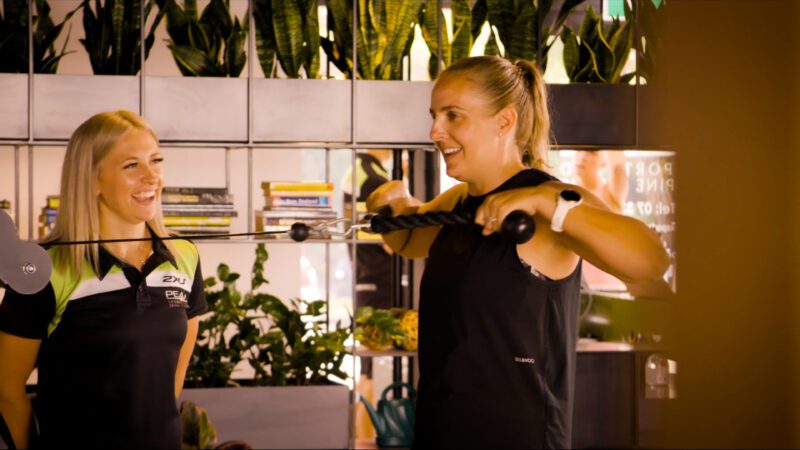
A critical component of physiotherapy is educating patients on how to manage their shoulder health long-term. This includes guidance on proper lifting techniques, exercises to maintain shoulder strength and flexibility, and strategies to prevent future injuries. By teaching patients how to protect their shoulders during daily activities and sports, physiotherapy plays an essential role in preventing recurrence of rotator cuff-related pain.
Rotator cuff-related shoulder pain can significantly impact a person’s ability to perform everyday tasks, but with the right treatment approach, recovery is possible. Physiotherapy offers a comprehensive, evidence-based strategy for managing rotator cuff injuries, focusing on pain relief, muscle strengthening, joint mobility, and functional restoration. By addressing the root causes of the injury and providing targeted rehabilitation, physiotherapy helps patients regain shoulder function, reduce the risk of future injury, and improve overall quality of life. If you are experiencing shoulder pain, consulting a physiotherapist may be the key to a successful recovery and return to your normal activities. If you are concerned about your shoulder, book an appointment with one of our PEAK coaches here.
The real race begins in your mind. by Nathan Denham, PEAK Coach and Physiotherapist
Read more
Every golfer wants more distance to outdrive their golfing friends! But here’s the question most golfers never stop to ask: Is my body actually capable of...
Read more
The festive season is great for rest, relaxation, and a little indulgence. But once January rolls around, many people lace up their runners again...
Read more
Mixed Martial Arts is one of the most physically demanding sports in the world. Fighters train to strike, grapple, defend, and adapt under intense...
Read more
Understanding Residual Dizziness & The Power of Vestibular Rehab
Read more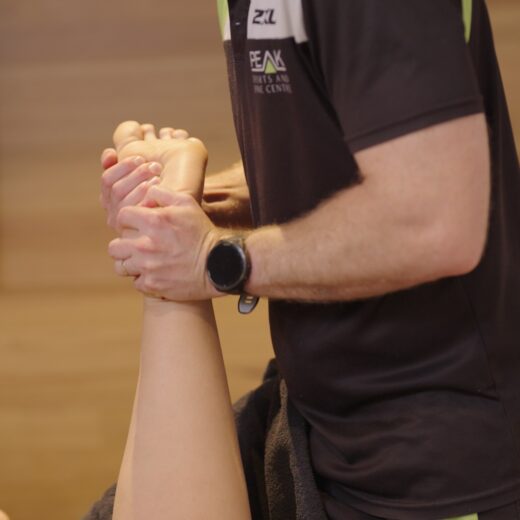
By Lachlan Stanton, Director & Podiatrist at PEAK Sports & Spine Centre
Read more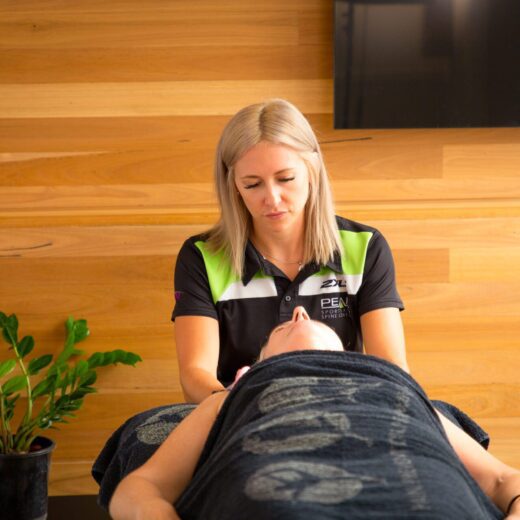
Radiculopathy — commonly felt as nerve pain radiating into the arm or leg — is a frequent reason people seek care at our clinics...
Read more
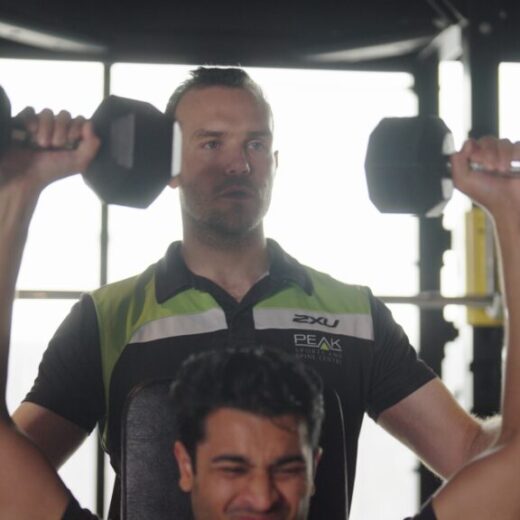
New to PEAK in 2026, we’re excited to introduce our Strength & Conditioning (S&C) Service, designed to help you achieve your goals and become...
Read more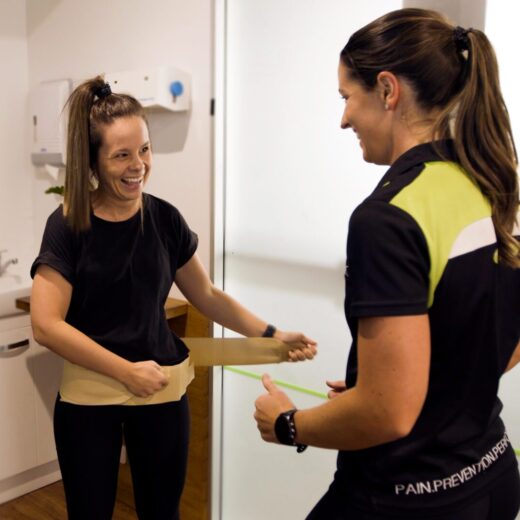
Pelvic girdle pain (PGP) is one of the most common causes of pain and discomfort during pregnancy. By the end of pregnancy up to...
Read moreNot exactly what you're looking for?
View all articles










Can't find what you're after?
View all ServicesOr email the PEAK team at info@peakssc.com.au
To make a booking outside of business hours, please use our form by clicking here.
To make a booking outside of business hours, please use our form by clicking here.