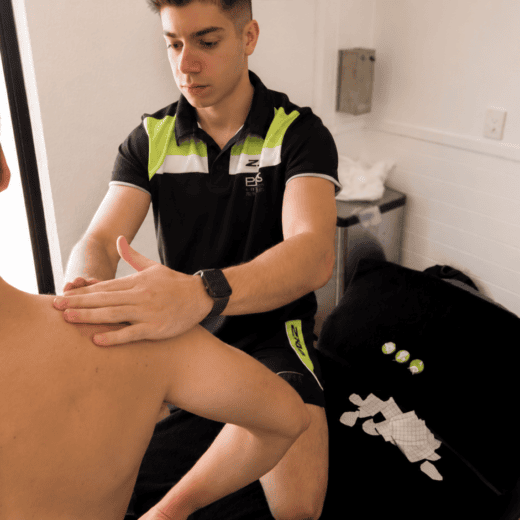
 AC Joint Injury
 AC Joint Injuries in Footy Explained
AC joint injuries can affect shoulder strength, movement and your ability to return to sport. Understanding the injury and following the right rehabilitation plan...
Read more
You might associate strength training with weightlifting or building muscle, but it’s increasingly clear that adding strength work to your running routine delivers a range of benefits—especially improving running economy.

Stronger leg muscles not only push harder, but can store and release energy more effectively with each stride—meaning your body doesn’t need to work as hard to maintain pace.
Strength and plyometric training help your muscles coordinate better and be more “springy,” reducing ground contact time—the less time your foot spends on the ground, the more energy you’re conserving.
Some forms of strength training boost both slow- and fast-twitch muscle fiber performance, helping your muscles support efficient running across a range of speeds.
Strength training wasn’t only helpful when fresh—it also helped runners maintain economy and performance late in long or intense workouts.


What to do: Squats, lunges, deadlifts at ≥ 80% 1RM (e.g., 3–5 sets of 3–6 reps)

What to do: Box jumps, bounding, single-leg hops — light, quick, explosive movements

What to do: Start with 1–2 sessions, gradually increase frequency and load

What to do: Do strength work on easy running days or after runs — not before hard efforts

What to do: Get started in a prevention class supervised by physiotherapists to get the most out of your training & prevent injuries
Prevention ClassesRunning economy is a game-changer in endurance running—think of it as your body getting better gas mileage. Strength training, especially heavy resistance and plyometrics, is one of the most effective ways to improve it.
With just a few strength workouts a week over a few months, you can expect to feel lighter on your feet, run more efficiently, and even stay strong when the kilometers push you to your limits.
By identifying weaknesses, improving technique, and addressing muscle imbalances, physiotherapists not only help you get the most from your training, but also lower your risk of injury – keeping you healthy and consistent in your running.
AC Joint Injury AC joint injuries can affect shoulder strength, movement and your ability to return to sport. Understanding the injury and following the right rehabilitation plan...
Read more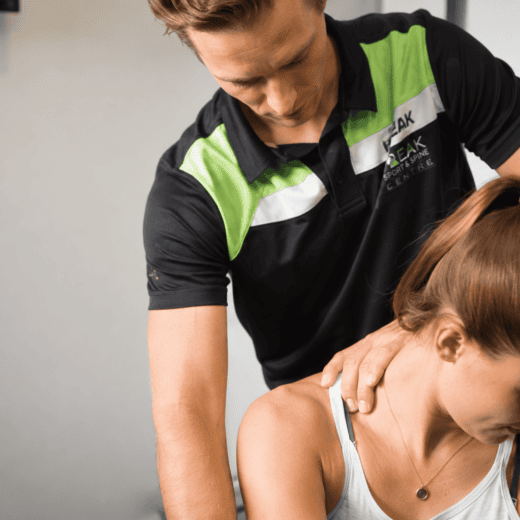 Shoulder Instability
 Shoulder dislocation rehabilitation is about more than getting stronger. Learn how progressive physiotherapy can rebuild movement, control, confidence and the capacity to return to...
Read more Campbell Antonio
 Campbell Antonio brings an elite-sport approach to physiotherapy, combining rehabilitation, performance and clinical reasoning to help people return to what they love.
Read more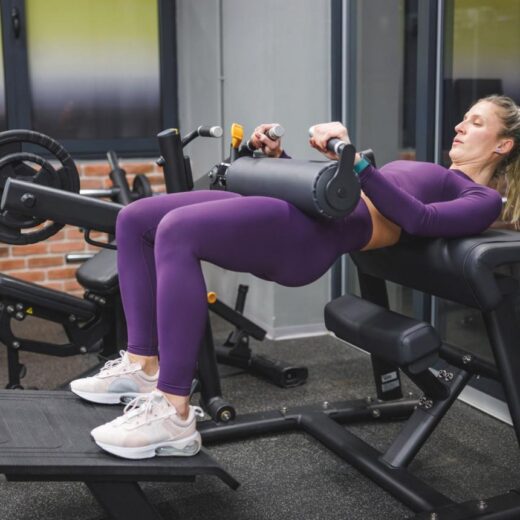 Female Athletes
 Helping young female athletes build strength, confidence and movement skills while supporting performance and long-term injury prevention.
Read more
Christina Livaditakis shares her journey to 4th in the world at the 2026 CrossFit Games, reflecting on teamwork, resilience and what she learned along...
Read more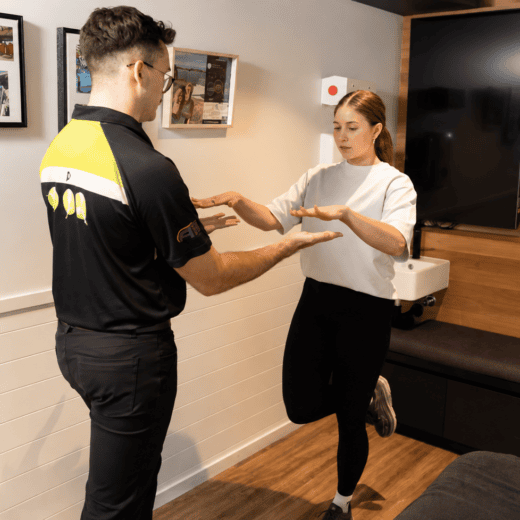 sports injuries
 Concussion physio Brisbane athletes can trust starts with understanding what happens after a knock. Learn why the 21-day rule matters, why dark-room rest is...
Read more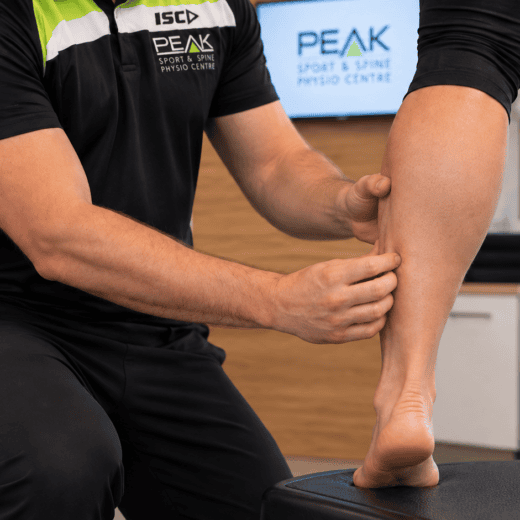 Calf Strain
 Calf strains are common in runners and field athletes, especially after 30. Learn why they keep coming back and how the right rehabilitation can...
Read more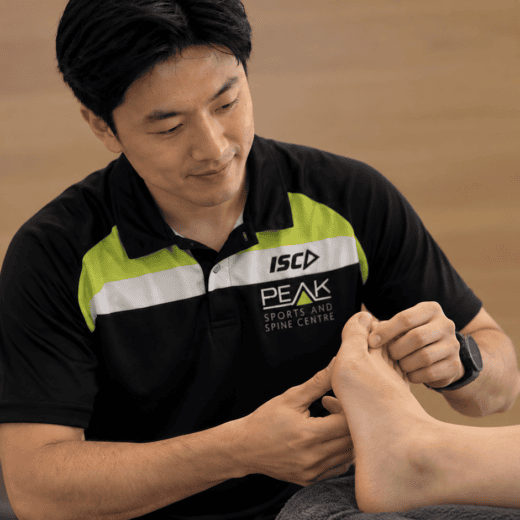 Hallux Valgus
 Bunions are common, but surgery isn’t always the answer. Learn what causes them, what can actually help, and when it’s worth seeing a podiatrist.
Read more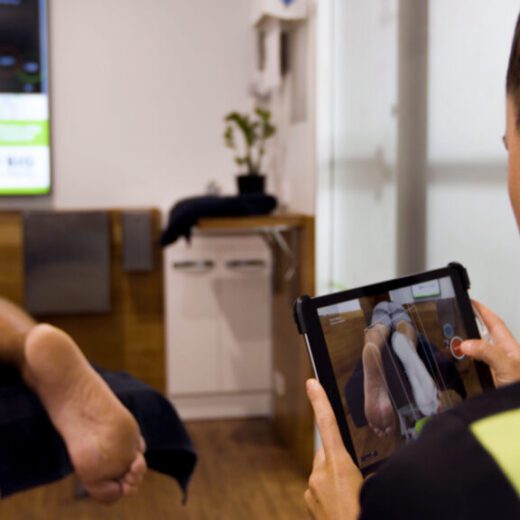 Achilles Tendinopathy
 Achilles tendinopathy can be frustrating for runners, but rest alone isn’t always the answer. Learn how progressive loading, smart training and expert podiatry care...
Read more recovery
 Goal setting in rehabilitation can make recovery more focused and achievable. See how short- and long-term goals can support motivation, confidence and progress.
Read moreNot exactly what you're looking for?
View all articles













Can't find what you're after?
View all ServicesOr email the PEAK team at info@peakssc.com.au
To make a booking outside of business hours, please use our form by clicking here.
To make a booking outside of business hours, please use our form by clicking here.