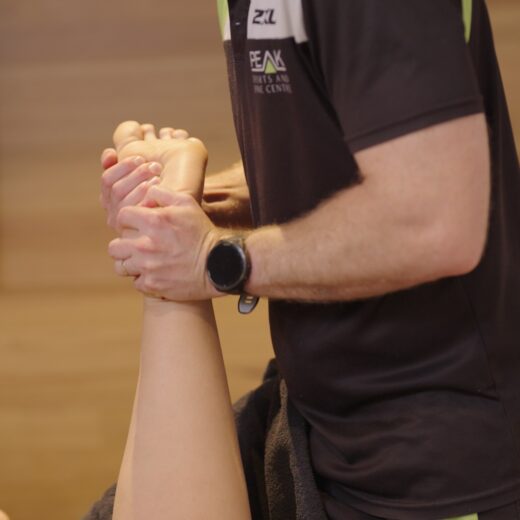
Choosing the Right School Shoes for Your Child: A Podiatrist’s Guide for Parents
By Lachlan Stanton, Director & Podiatrist at PEAK Sports & Spine Centre
Read more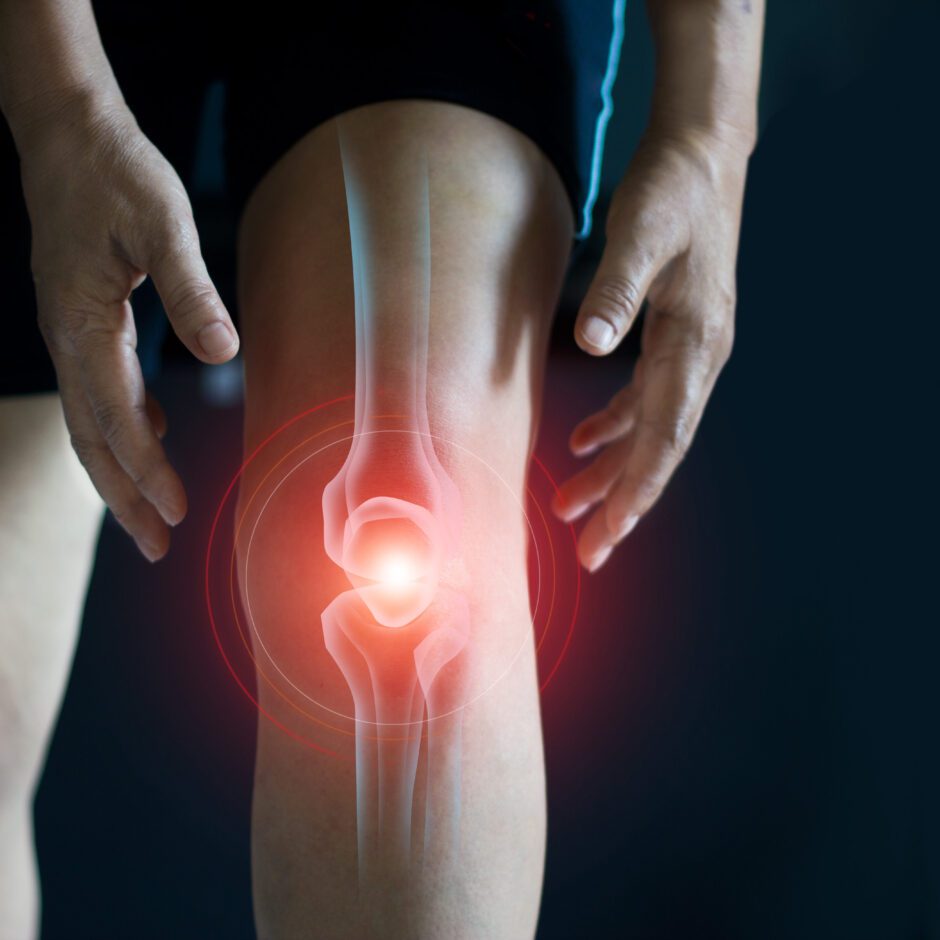
Understanding why this happens is the key to fixing it. Here are the four most common reasons tendons become overloaded and cranky.

Tendons love gradual, predictable stress. What they don’t love is going from 0 to 100 overnight. Maybe you got back into the gym after some time off, or signed up for a fun run and suddenly doubled your weekly kilometres. Even something as simple as increasing the weight on a lift too quickly can tip a tendon over the edge. When load jumps too fast, the tendon doesn’t get enough time to adapt — and irritation begins.

Doing the same movement over and over isn’t usually the issue — it’s doing it without rest. Tendons need recovery just like muscles do. If you repeat the same task for days or weeks without a break (think: typing, throwing, running, jumping, lifting), the tendon accumulates stress faster than it can repair. The result? That familiar nagging, stiff, “warm-up pain” feeling many people notice before things escalate.

Tendons don’t work alone; they rely on the muscles around them to share the workload. If those muscles have lost strength (maybe from injury, busy life, or inconsistent training), the tendon ends up doing more of the work than it’s built for. Over time, this extra load adds up and the tendon becomes irritated. Balanced strength around a joint is one of the best ways to protect tendons long-term.

Ironically, doing nothing for too long is also a problem. When activity levels drop — long breaks from the gym, time off after an injury, big work deadlines, holidays — tendons lose some of their capacity. Then, when you jump back into exercise at your previous level, the tendon simply isn’t ready for that amount of stress. This explains why tendon issues commonly show up after “getting back into it.”
Here’s the part most people don’t realise: rest alone does not fix tendon pain. In fact, resting too much can make tendons more sensitive.
Tendons need load — the right amount at the right time — to become strong again. Think of loading as controlled training that teaches the tendon to handle stress without getting irritated.
We generally break this down into three levels of loading, depending on how sore and sensitive the tendon is.
Isometrics — Calm the Pain Down
Isometrics are exercises where you create tension without moving the joint.
These are incredibly useful early on because they often reduce pain and help the tendon tolerate pressure again. Examples might include:
They’re simple, safe, and a great first step.
Strength Movements — Build the Foundation
Once pain settles, it’s time to load the tendon through movement.
Slow, controlled strength training teaches the tendon and surrounding muscles how to share load again. This includes things like:
This stage is where real progress happens — the tendon becomes stronger and more resilient.
Plyometrics — Prepare for Real-Life Demands
When life or sport involves fast, explosive movements, tendons must be able to store and release energy quickly. Plyometrics help rebuild this ability. Think:
These movements are introduced gradually and only once the tendon can handle strength work comfortably. This final stage is what gives people confidence to return to running, sport, gym training, or any high-demand activity without flare-ups.
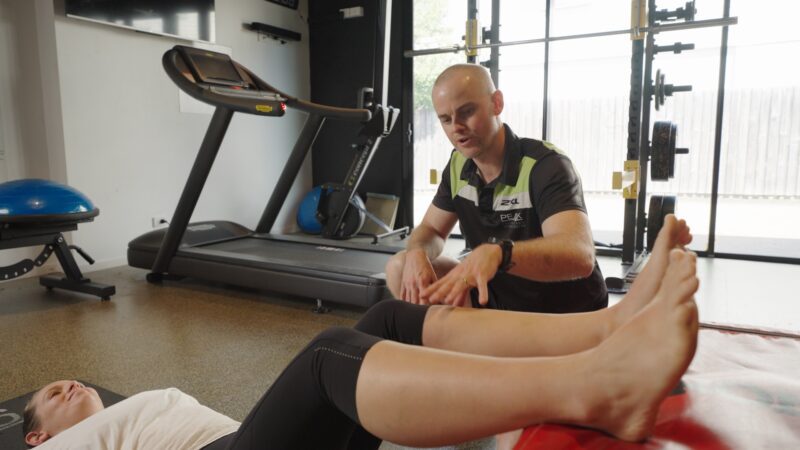
Tendon pain doesn’t mean something is “damaged.” It usually means the tendon was asked to do more than it was prepared for. The solution is not to stop moving — it’s to find the right level of movement and build up gradually.
By understanding the four common causes of tendon irritation and following a steady loading plan that moves from isometrics → strength → plyometrics, you can give your tendon exactly what it needs to settle down, rebuild, and handle life again without pain.
If you’re unsure where to start or what level of exercise your tendon needs, getting guidance can make the process faster and far less frustrating.
Come see one of our coaches who are trained in identifying what stage your tendon is in and how to load it properly. They’ll help you find the right exercises, build a clear plan, and get you back to doing what you love without the guesswork.
By Lachlan Stanton, Director & Podiatrist at PEAK Sports & Spine Centre
Read more
Radiculopathy — commonly felt as nerve pain radiating into the arm or leg — is a frequent reason people seek care at our clinics...
Read more
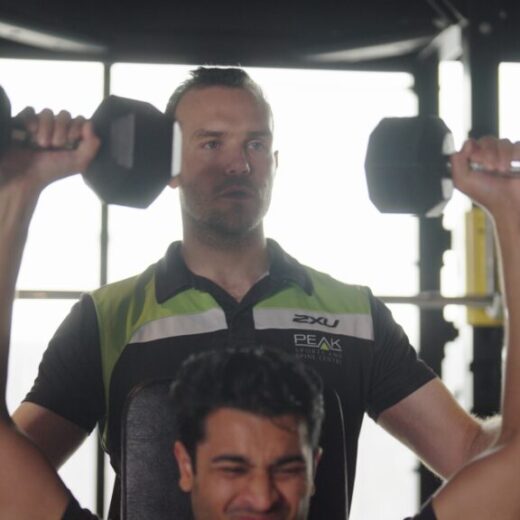
New to PEAK in 2026, we’re excited to introduce our Strength & Conditioning (S&C) Service, designed to help you achieve your goals and become...
Read more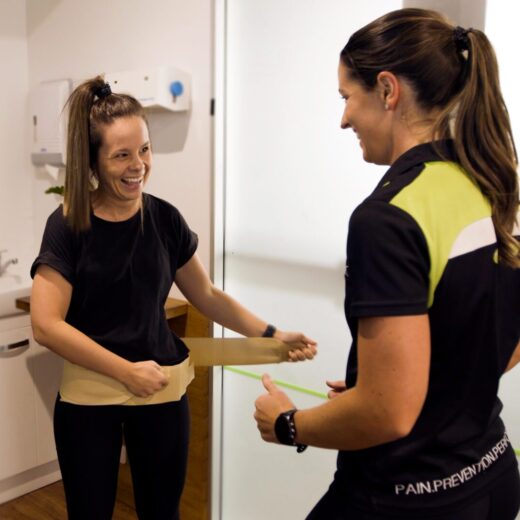
Pelvic girdle pain (PGP) is one of the most common causes of pain and discomfort during pregnancy. By the end of pregnancy up to...
Read more
Zoe Peacock’s journey is all about grit, heart, and a love for high jump. Growing up in Kaipara Flats, she tried a bunch of...
Read moreAs children return to school and sport ramps up, many parents focus on backpacks, uniforms and schedules — but foot health is often overlooked.
Read more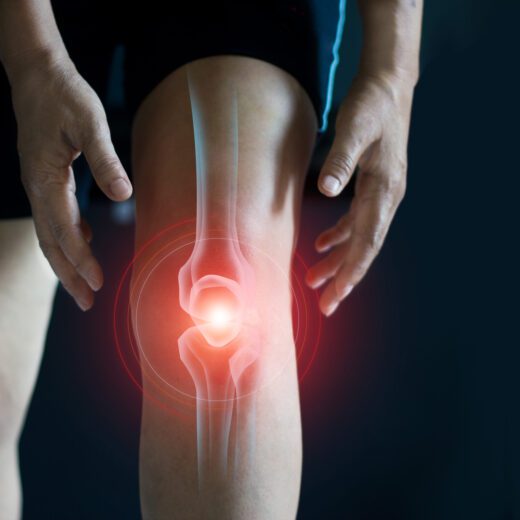
Tendon pain can feel like it comes out of nowhere. One day everything feels normal, and the next your elbow, knee, shoulder, or heel...
Read more
On Saturday 29th November, our PEAK tribe came together for our annual Christmas celebration and the much-anticipated Carrol Cooper Award ceremony. This year’s theme,...
Read more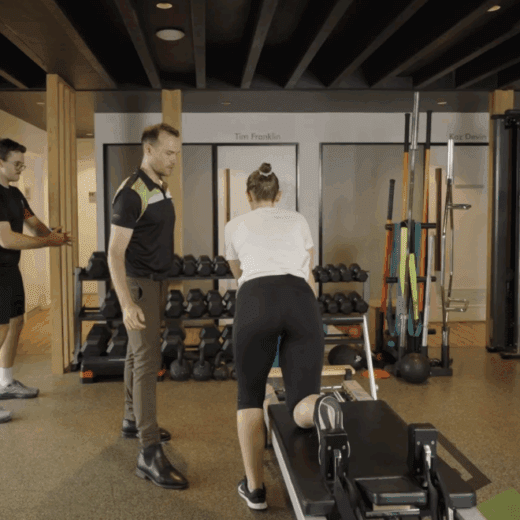
Attention Deficit Hyperactivity Disorder (ADHD) is a common neurodivergent condition characterised by difficulties with inattention, impulsivity, and hyperactivity. There are several variations of this...
Read moreNot exactly what you're looking for?
View all articles













Can't find what you're after?
View all ServicesOr email the PEAK team at info@peakssc.com.au
To make a booking outside of business hours, please use our form by clicking here.
To make a booking outside of business hours, please use our form by clicking here.