 Text Neck
 Text Neck: Causes, Symptoms & How to Fix It
Hours on your phone or laptop can lead to text neck. Learn the symptoms, causes and how PEAK’s Brisbane team can help relieve neck...
Read more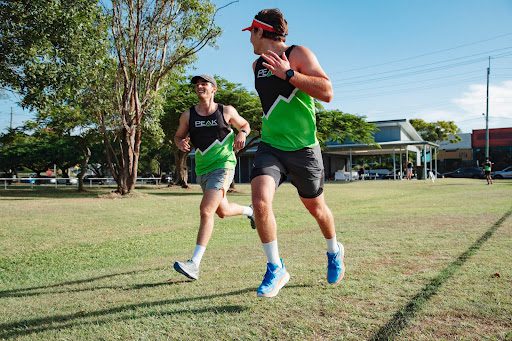
Endurance runners often focus on cardiovascular fitness and neglect the importance of a strong foundation. Strength training is a higher intensity stimulus that addresses key muscle groups, including the core, glutes, and lower body which is different from the lower intensity stimulus that is running training. A solid foundation is crucial for maintaining proper running form and preventing fatigue-related injuries over the long haul.
One of the significant advantages of incorporating strength training into an endurance runner’s routine is its role in injury prevention. Strengthening muscles and connective tissues helps to reduce the risk of common running injuries such as shin splints, stress fractures, and IT band syndrome. By improving overall body strength, runners can maintain better biomechanics and withstand the repetitive stress of long-distance running.
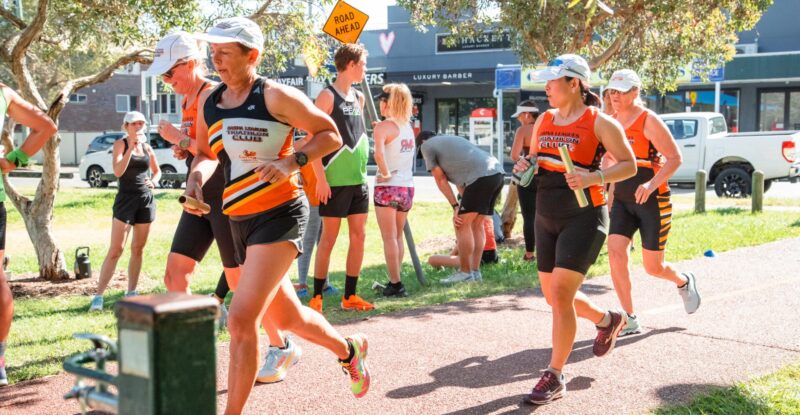
While endurance runners may not be sprinters, the benefits of increased power and speed from strength training should not be overlooked. Power-focused exercises such as plyometrics and hill sprints help develop fast-twitch muscle fibers, enabling runners to execute powerful surges during races or challenging terrain. This added speed can be a game-changer, especially in competitive events.
The key to successful strength training for endurance runners lies in proper periodization and integration into the overall training plan. Periods of focused strength training can be strategically integrated into the training cycle to avoid interference with key running workouts. Coaches and athletes should collaborate to develop a plan that addresses specific weaknesses and complements the runner’s overall goals.
Text Neck Hours on your phone or laptop can lead to text neck. Learn the symptoms, causes and how PEAK’s Brisbane team can help relieve neck...
Read more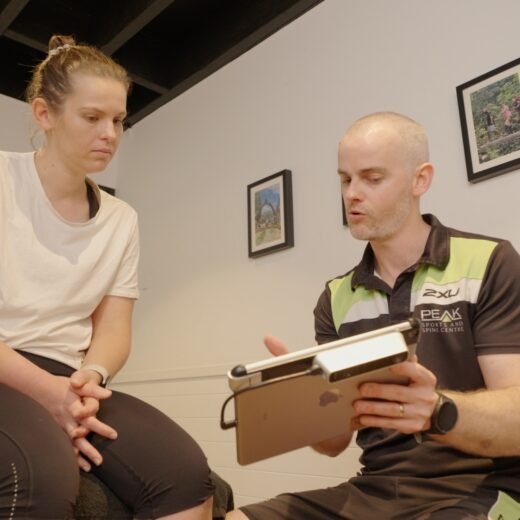 physiotherapy
 Injured at work? Learn how WorkCover physiotherapy and chiropractic at PEAK can help you recover, manage your claim, and return to work with confidence.
Read more lower back pain treatment
 Lower back pain is one of the most universal health complaints there is. Globally, hundreds of millions of people are living with it at...
Read more DVA physiotherapy Brisbane
 Hold a DVA Gold or White Card? Learn how to access no-gap physiotherapy, chiropractic and podiatry care at PEAK Sports & Spine Centre in...
Read more running injury treatment
 Running injuries are common, but many can be prevented. Learn why they happen, how to reduce your risk, and how PEAK helps Brisbane runners...
Read more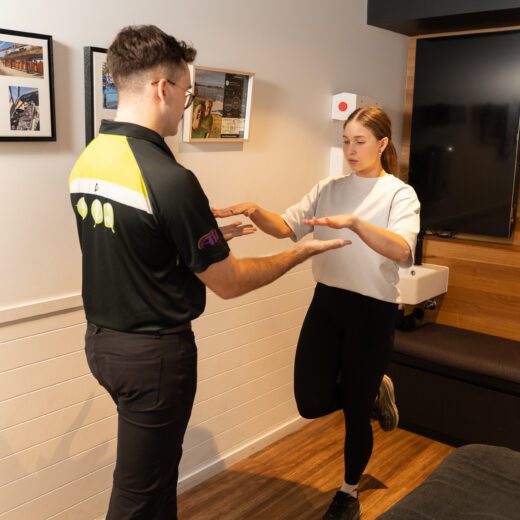 BPPV Treatment
 Dizziness and vertigo can make even simple daily activities feel overwhelming. From BPPV and vestibular migraines to post-concussion dizziness, understanding the cause is the...
Read more
Build Career Confidence: If you are training for the Gold Coast Marathon right now, or you are the kind of person who has a...
Read more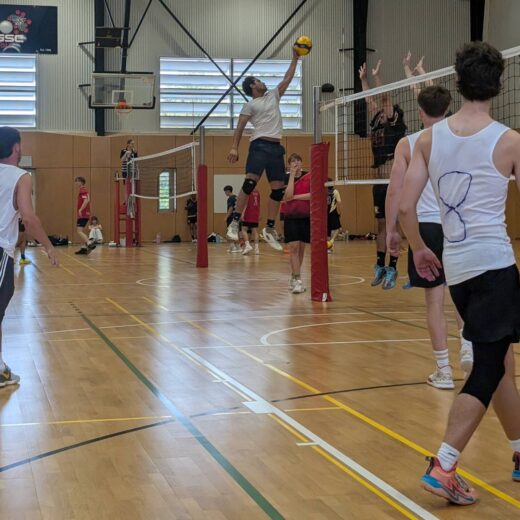 ACL Injury
 Stepping into an Athlete’s Shoes: Keagan’s ACL Journey The injury knowledge that you hold as a PEAK coach, unfortunately, does not keep you immune to sustaining...
Read more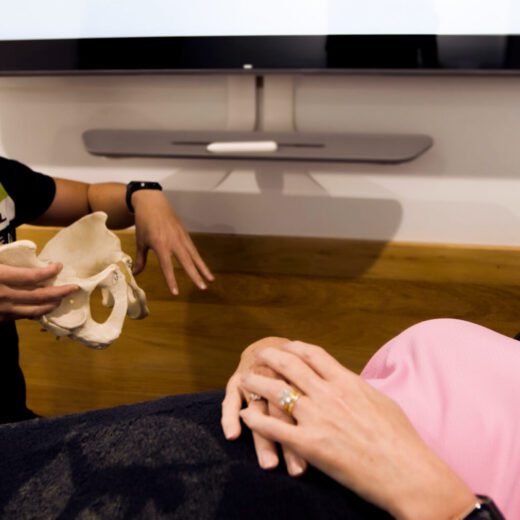 Menopause
 For many women, Menopause can feel like a sudden shift in how their body moves, feels, and recovers. Menopause Physiotherapy can help women manage...
Read more ACL Injury
 Knowing what to do after a knee injury can make a significant difference to recovery. Early assessment and diagnosis are essential, and physiotherapists play...
Read moreNot exactly what you're looking for?
View all articles













Can't find what you're after?
View all ServicesOr email the PEAK team at info@peakssc.com.au
To make a booking outside of business hours, please use our form by clicking here.
To make a booking outside of business hours, please use our form by clicking here.